
July 29, 2022
Water Management Made Easier with Connected Monitoring
Connected water monitoring combines rainfall, soil, storage and irrigation records to help farms plan scarce resources with better evidence.
Water scarcity makes timing and accountability central to South African farming. Rainfall is strongly seasonal, with much of the country receiving summer rain while the Western Cape is predominantly winter-rainfall territory. During dry periods, a farm needs to understand what water is available, where it is going and whether the crop response justifies the operation.
See the whole water system
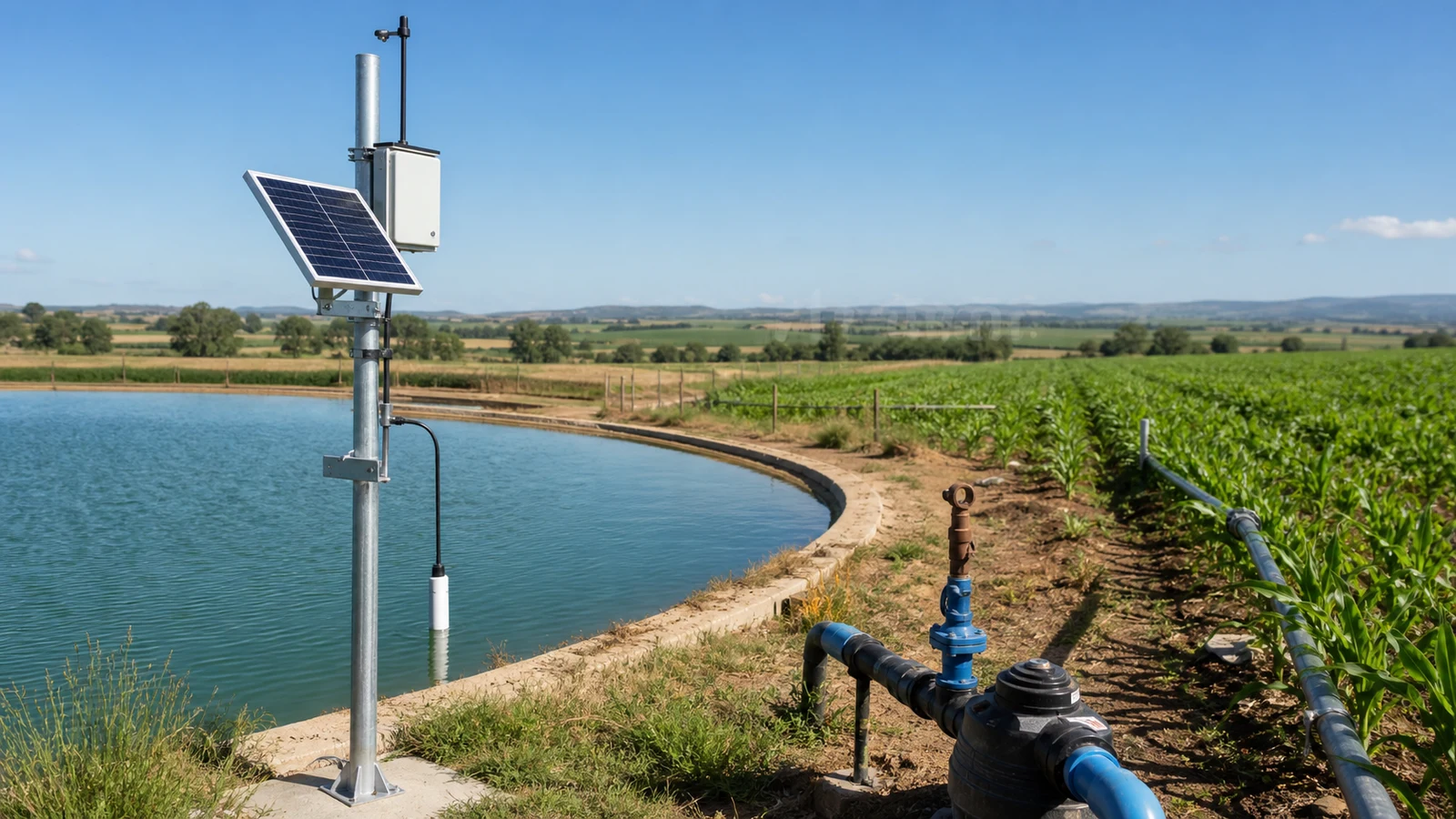
A useful monitoring plan extends beyond one soil-moisture probe. Rainfall describes incoming water; tank or dam levels describe storage; flow and pump status describe movement; and soil measurements describe conditions around the root zone. Together they help distinguish a dry block from an empty reservoir, failed pump or distribution problem.
Onset loggers and compatible sensors are among the tools that can collect these parameters. Instrument range, installation method and maintenance should match the site. A clear asset and location record ensures that a graph can be traced back to the valve, tank, pump or field it represents.
Turn telemetry into irrigation context
Nvirosense™ can align soil, weather and water-system readings with irrigation events. A manager can review whether soil conditions changed after watering, how quickly different blocks dried and whether the pump ran as expected. Analytics can prioritise unusual patterns and help field teams decide where inspection is most valuable.
Sensor evidence should support, not replace, crop knowledge and direct field checks. Soil type, rooting depth, crop stage and sensor placement all influence interpretation. Thresholds need local validation rather than being copied between farms.
Plan for scarcity and exceptions
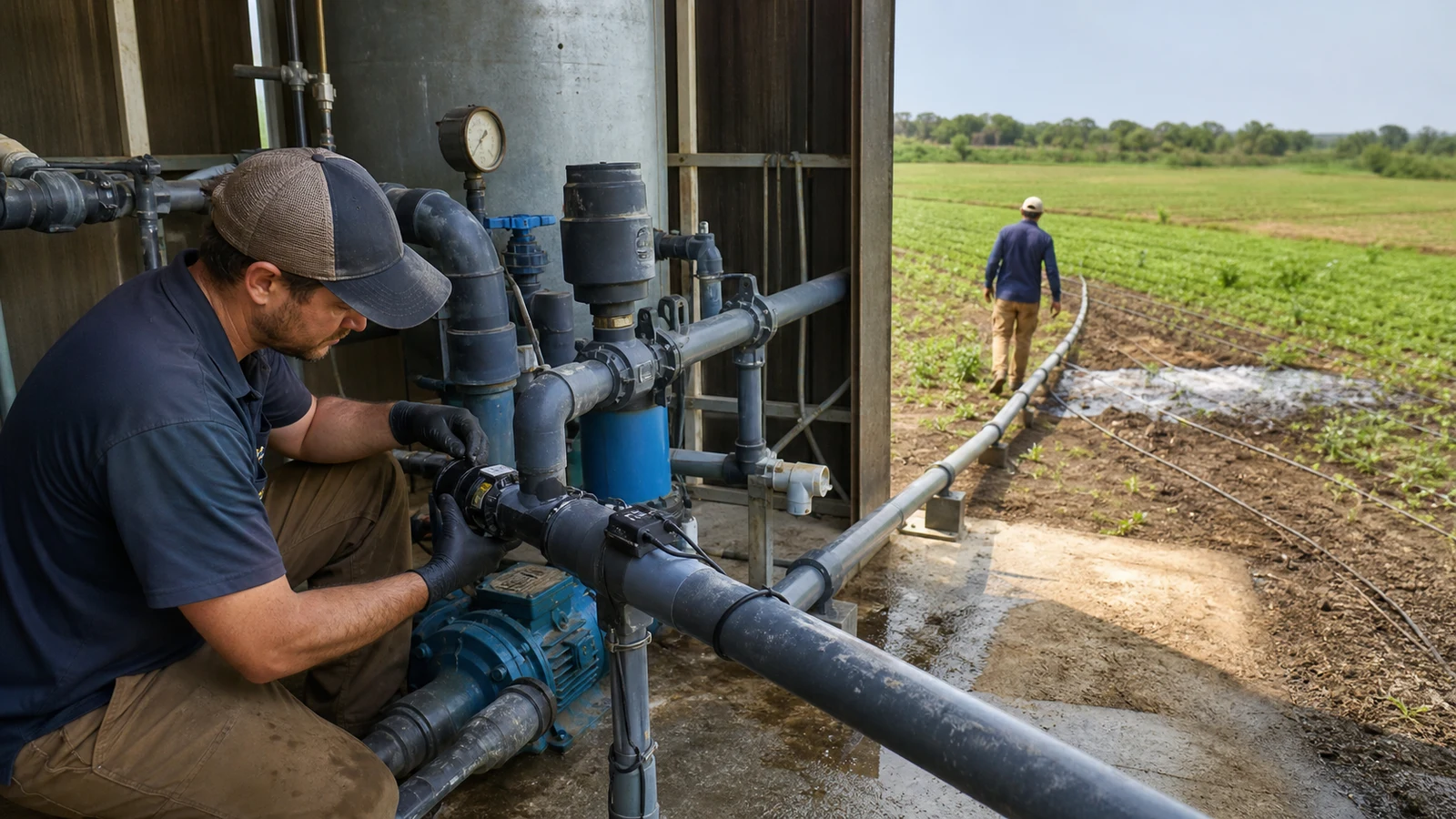
Trends can expose declining storage early enough for a contingency plan and can show how long current reserves may last under stated assumptions. Alerts for unexpectedly low levels, flow without a scheduled event or a pump that fails to report can speed response. Forecasts and estimates should display their input period and confidence limits.
A traceable record also helps teams investigate runoff, leaks or repeated over-watering. The objective is measured improvement: change a schedule or repair a component, then compare the result with an appropriate baseline.
Support sustainable operations
Smarter water use can reduce waste, unnecessary pumping and field visits while supporting crop performance. Automation may assist routine control, but safe limits, manual override and clear responsibility remain important where pumps and valves can affect crops or infrastructure.
Long-term records connect daily operation with seasonal planning. They give farm managers evidence for infrastructure priorities and provide a defensible account of how water resources were managed.
Connected monitoring makes water management easier by replacing fragmented observations with a shared operational history. Nvirosense™ brings field, storage and equipment data together so farms can respond faster, use resources deliberately and verify whether changes worked.