

Sensors & devices
Field sensors, PLCs, gateways, cameras and edge inputs.
Platform Security + Connectivity + Deployment Control
Nvirosense™ combines isolated customer deployments, field connectivity, edge processing, layered security and auditable data flows into a platform architecture that can support regulated and operational environments.
Field sensors, PLCs, gateways, cameras and edge inputs.
LoRaWAN, GSM/LTE, wired OT protocols and hybrid sync patterns.
RBAC, audit trails, backups, retention and notification routing.
Dashboards, alarms, reports and compliance-ready records.
Architecture flow
Deployment & isolation
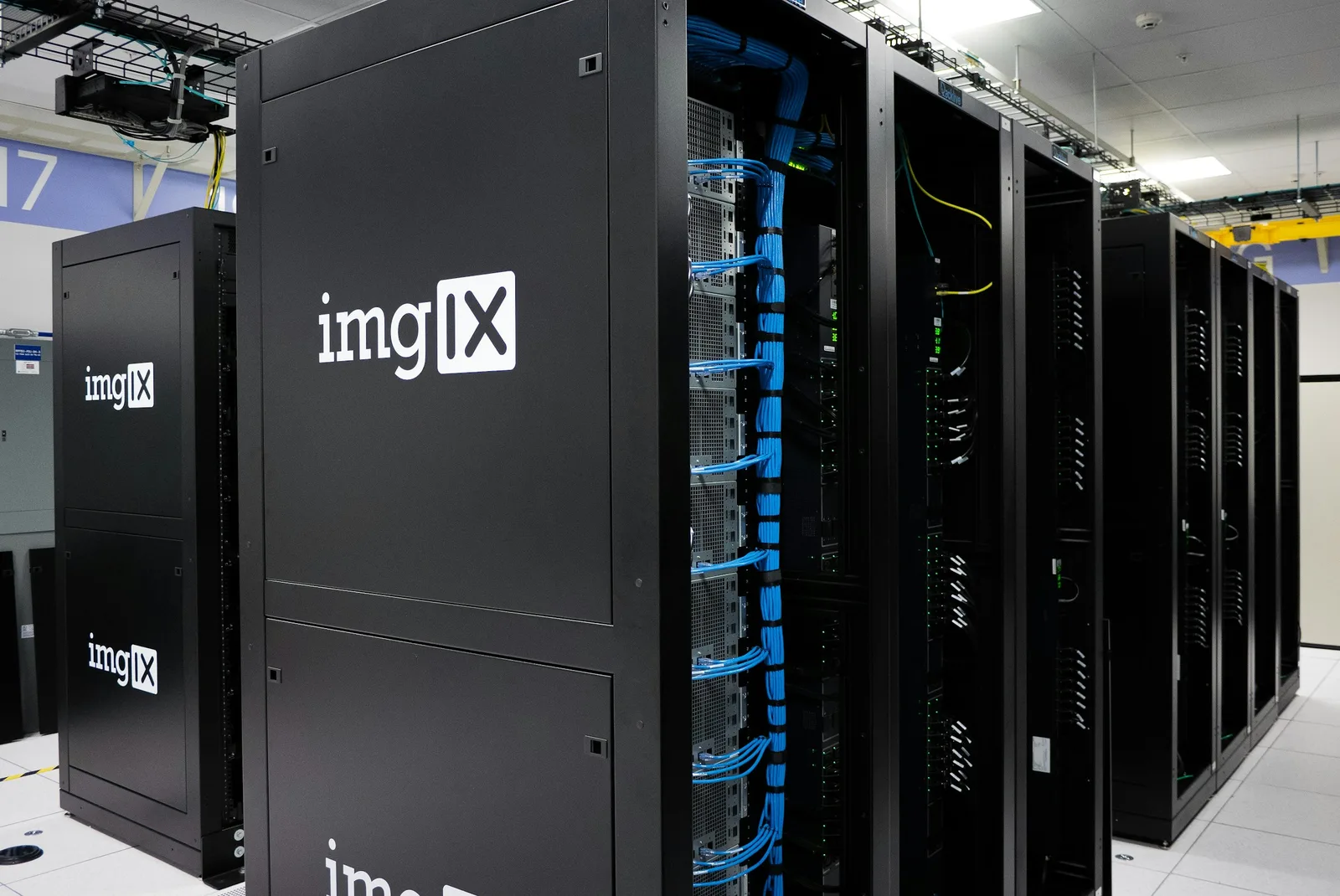
Nvirosense™ can be deployed in cloud, customer cloud, on-premise, head-office or hybrid edge models. Public-facing copy remains simple: each customer environment can keep its own application boundary, data store, storage context and internal hierarchy.
Separate application and data boundary per customer deployment.
Support structures such as company, branch, department or farm, block and field.
Cloud, on-premise and edge-first options can be selected to suit the site.
Isolation model

Connectivity models
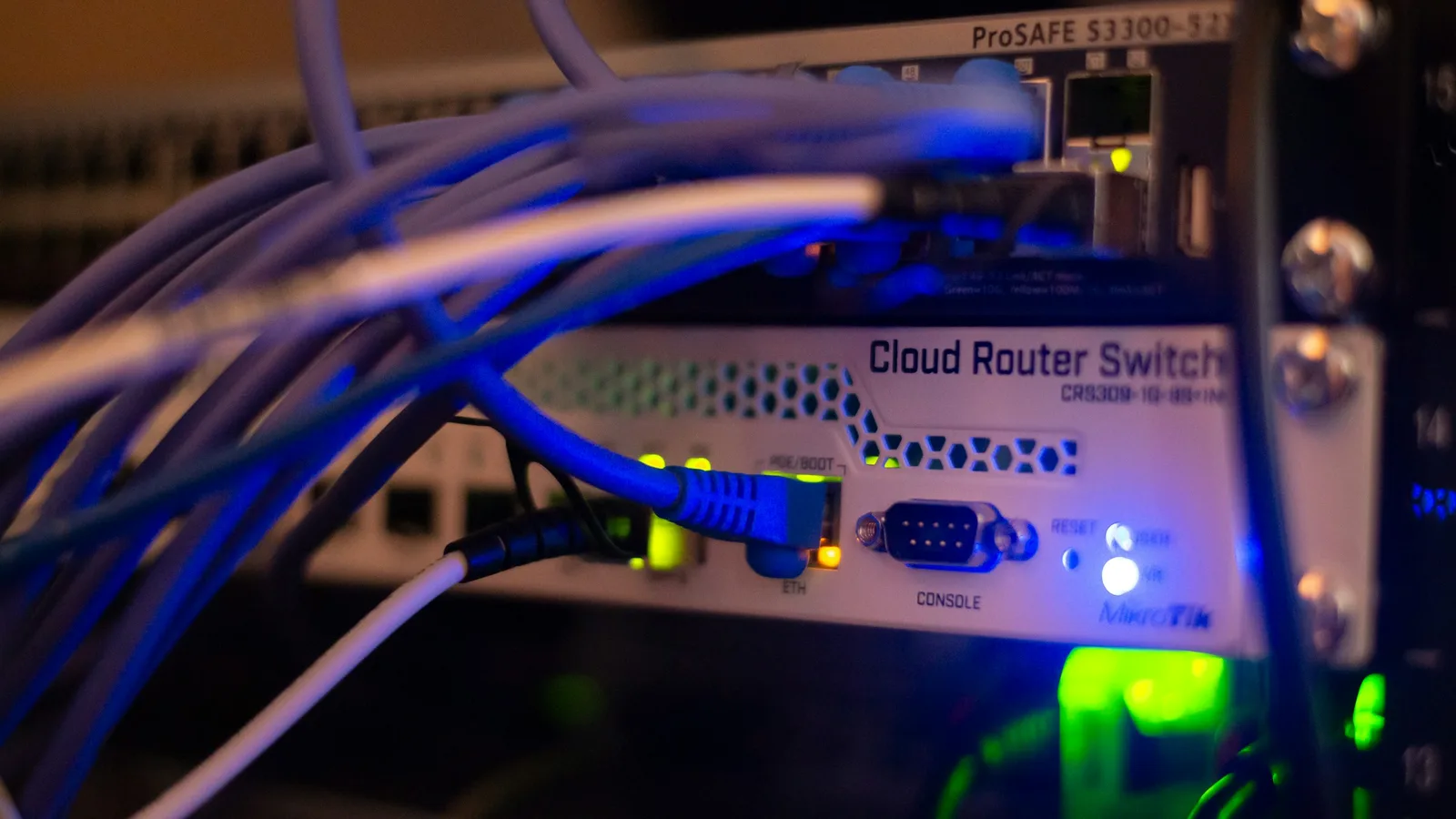
The platform can work across low-power field telemetry, public and private LoRaWAN, GSM/LTE, Wi-Fi, Wi-Fi HaLow, wired industrial protocols and hybrid edge sync patterns. The goal is not one preferred transport. The goal is controlled, supportable data flow.
Private or public LPWAN for low-power telemetry, with managed-gateway options where uptime and local retention matter.
Use drop-in remote sensing, wider-area links or higher-bandwidth wireless where gateway coverage is not practical.
Offline-first edge systems can keep logging locally, process data or AI events near site, then sync when connectivity returns.
Support Siemens S7, Modbus RTU/TCP, BACnet, SDI-12, SNMP, serial and control outputs without exposing OT systems directly to the public internet.
Defence in depth
Public-facing platform security is best described as layered engineering: device identity, network protection, gateway supervision, isolated server instances, application controls and operational oversight.
Unique identity, keys and secure commissioning for field-connected devices and gateways.
AES-128, MQTT/TLS, HTTPS/SSL, VLAN segmentation and firewall policy where appropriate.
Supervised access, tunnel-only support paths and local outputs only where configured and approved.
Isolated instance boundaries, role-based access, audit visibility, backups and retention control.
Electronic records, alarms, routing, review steps, notification audit history and approval workflows where required.
NOC supervision, heartbeat monitoring, escalation patterns and operational visibility over managed infrastructure.
Outbound-only support path
No inbound public ports exposed.
Controlled outbound path for approved support access.
Monitoring, updates and supervised support visibility.
NOC & secure remote access
The reference architecture supports outbound-only remote connectivity through controlled tunnel and Zero Trust patterns, avoiding the need to open inbound public ports directly onto customer servers, gateways or edge systems.
Customer infrastructure does not need direct public exposure for routine support access.
Support, monitoring and update access stays policy-controlled and limited to authorised personnel.
Heartbeat, uptime, packet status and support context can be supervised where managed gateways are used.
Local buffering and store-and-forward patterns can retain events during outages and forward them when links recover.
From telemetry to evidence
The platform story does not stop at transport. Sensor and equipment data can be validated, securely moved, buffered, ingested, routed through alarms and notifications, surfaced in dashboards, compiled into report packs and captured in audit trails or compliance workflows.
Sensor reading, device state or field event is recorded.
Data is checked, secured and moved through the selected network path.
Edge or gateway buffering protects continuity before platform ingestion.
Rules, notification routing and permission-controlled outputs support response workflows.
Dashboards, reports, AutoQMS™-style packs and audit trails preserve evidence.
Engineering principles
Nvirosense™ connects the physical world to compliance-ready digital evidence through isolated customer deployments, controlled network design, offline-first resilience and operational supervision.