

Observe
Conditions and events
Industries / Research
Nvirosense™ connects research instruments, field observations, controlled environments and dataset context into one monitored record. Research teams gain environmental intelligence, traceability and reviewable evidence without losing ownership of scientific interpretation or approval.
Conditions and events
Traceable records
Research-led decisions
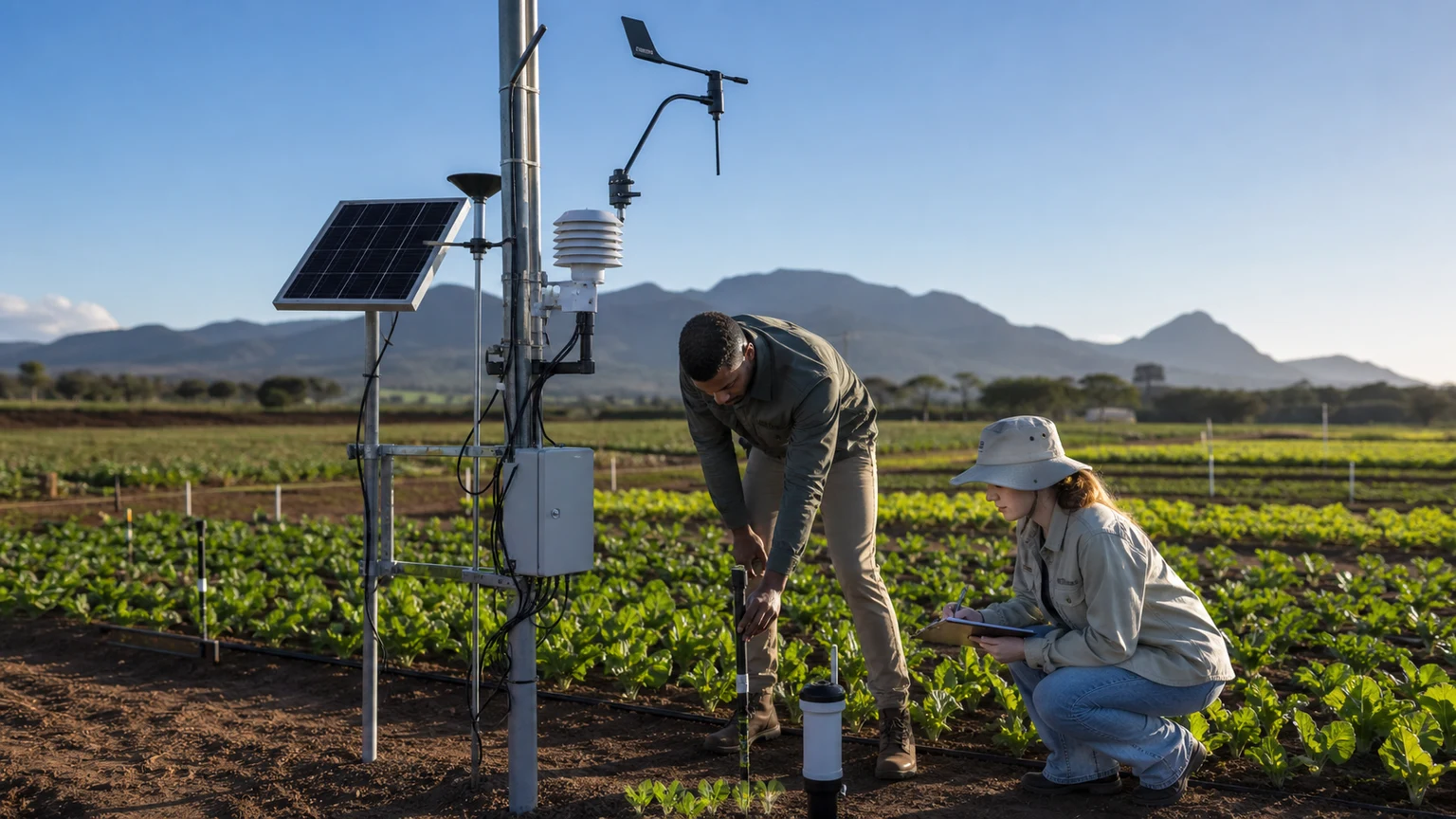
Research environments
The platform supports environmental context around research activity while investigators retain responsibility for study design, scientific interpretation, validation acceptance and formal conclusions.
Connect shared instruments, departments, sites and study records without flattening their different methods.
Monitor environmental conditions, equipment state and access context around sensitive work and stored material.
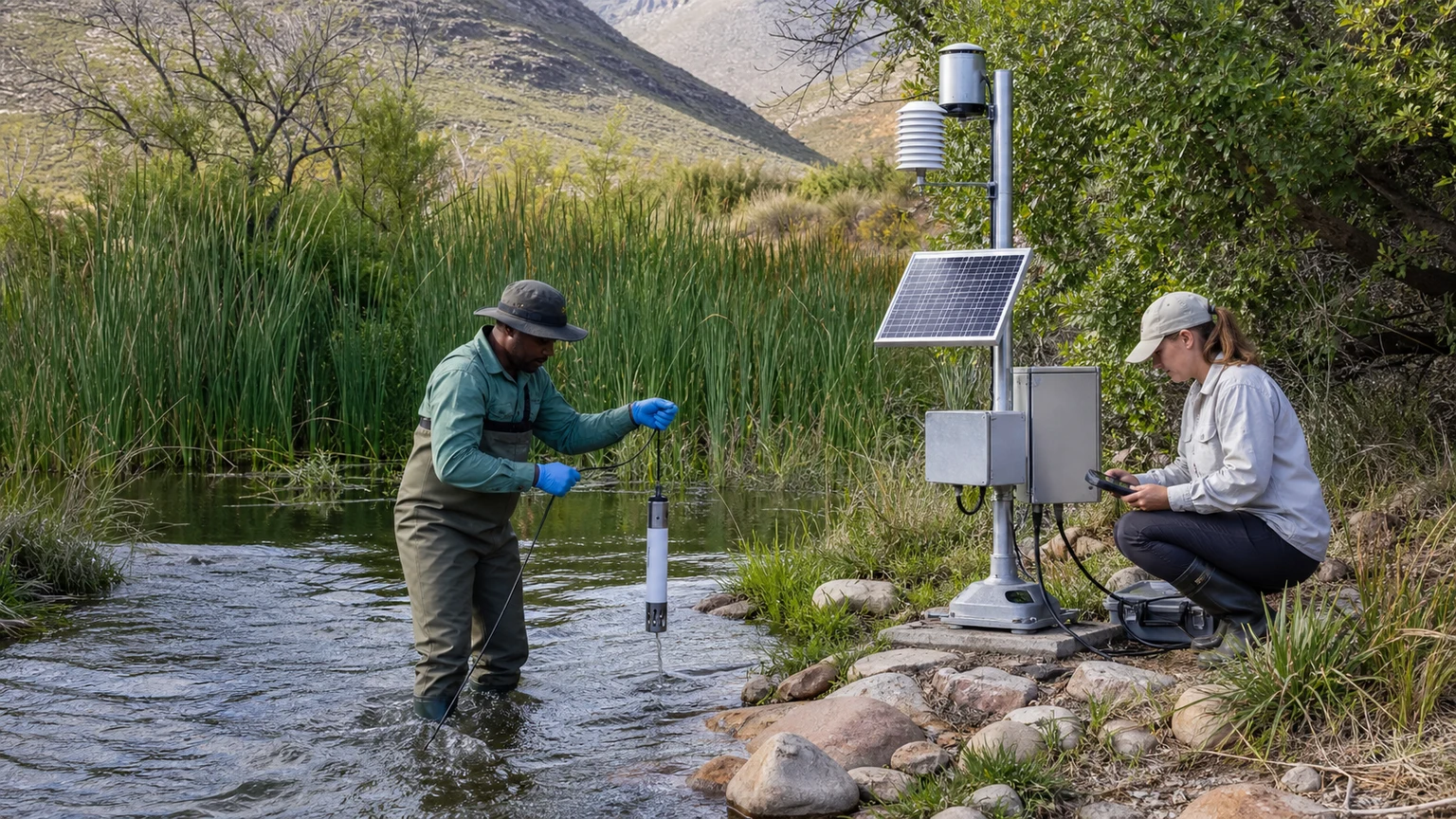
Maintain continuous observations across remote stations, transects, catchments and seasonal campaigns.
Relate soil, canopy, weather and intervention records to plots, blocks, treatments and growth stages.
Bring configured water, weather and site measurements into one time-aligned evidence record.
Connect process conditions, alarms and equipment events to trials, prototypes and engineering investigations.
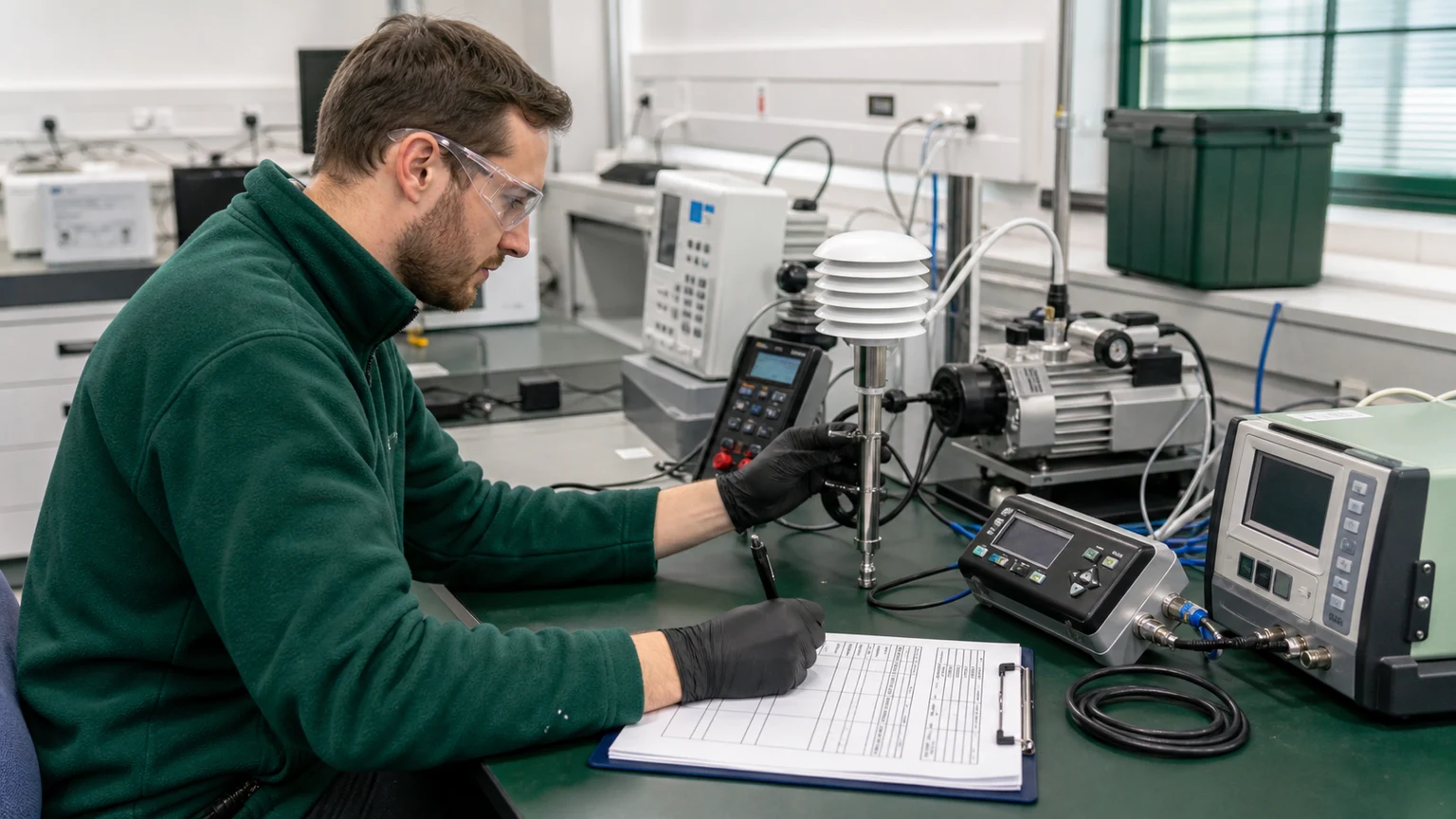
Measured context
The configured sensor set can bring environmental, equipment and site context alongside the research timeline. Nvirosense™ provides analytics and evidence to support customer decisions; it does not replace scientific review or method approval.
Air temperature, humidity and pressure
Soil moisture and soil temperature
Rainfall, wind and solar radiation or PAR
Leaf wetness and environmental risk indicators
Water temperature, level and configured quality parameters
CO2, air quality and controlled-room conditions
Instrument power, battery and connectivity state
Door, access, alarm and intervention events
Evidence workflow
Nvirosense™ supports evidence collection and review across the research lifecycle while the research organisation remains responsible for protocols, validation acceptance and scientific conclusions.
Associate sites, instruments, study areas and responsibilities with the monitored programme.
Connect research-grade and operational sensors with explicit location and device identity.
Retain calibration context, checks, mappings, deviations and maintenance history where applicable.
Record continuous conditions, alarms, interventions and instrument state against a common timeline.
Compare environmental history across samples, treatments, sites, campaigns and handovers.
Export reviewable evidence, trends and audit-ready records for analysis and authorised decisions.
Research operations
A representative workspace shows how field status and evidence context can be organised without presenting demonstration values as live customer data.
Research operations · Demonstration data
Field continuity
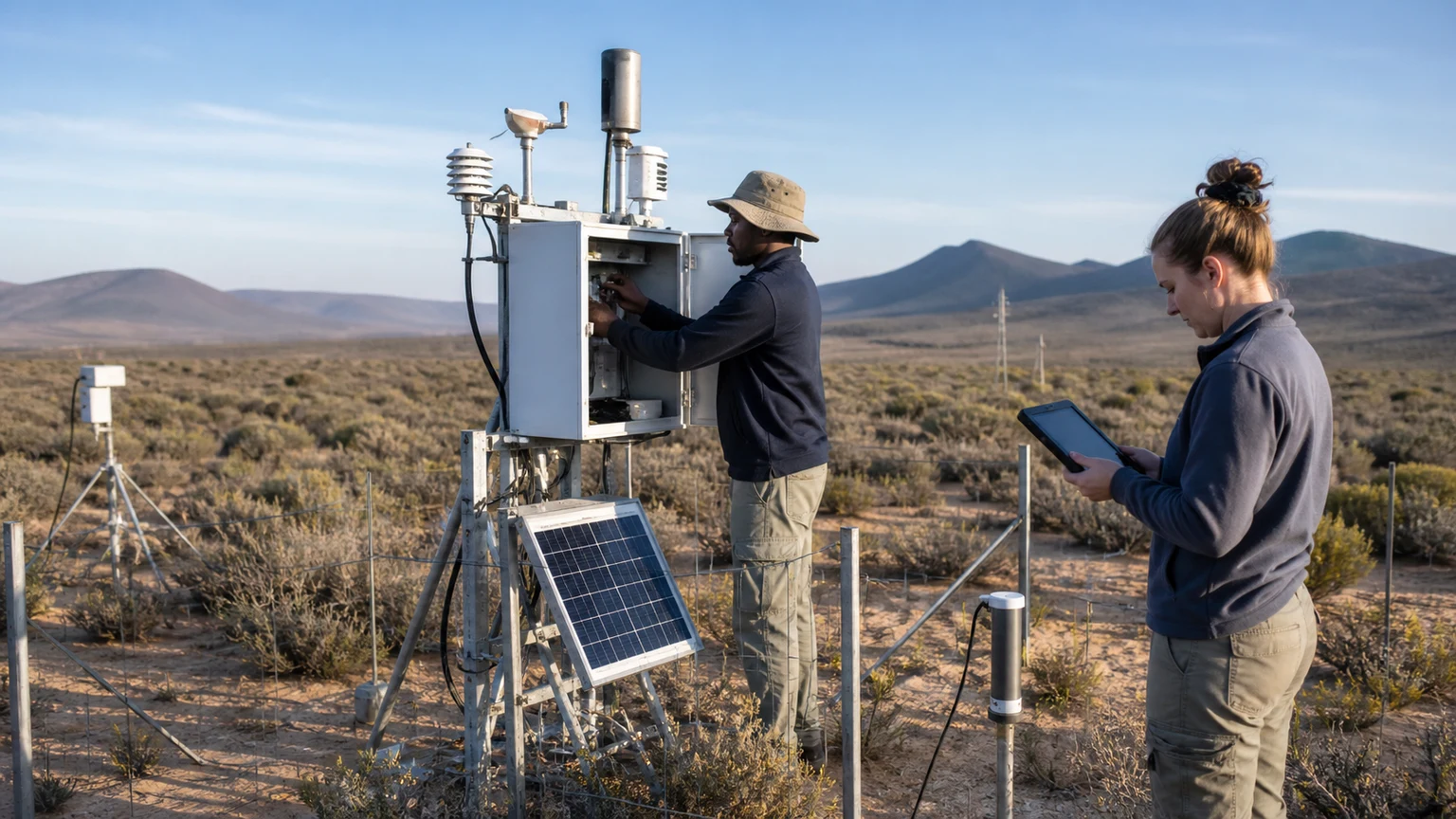
Remote programmes can retain timestamped observations between field visits and expose gaps, instrument faults or threshold events before the next campaign. Site, device, user and location records help teams reconstruct what happened around a sample or intervention.
Data integrity and review
Long-term retention, traceable changes, automated reports and deviation visibility help research teams build a defensible environmental record. Exports and analytics support evidence-based decisions while formal validation, approval and scientific interpretation remain with authorised customer teams.
Link values, events and changes to the relevant site, device and time period.
Review checks, gaps, deviations and calibration records beside the dataset.
Compare environmental behaviour across sites, seasons, methods and interventions.
Automate repeatable reports and exports for review, collaboration and audit readiness.
Research to operations
Discuss the sites, instruments, environmental variables, review requirements and integrations that matter to your work.
Explore Golden Acres™ environmental intelligence