
Ingest locally
RTSP, ONVIF, IP and USB feeds terminate at the edge gateway.
NviroView AI Vision Gateway
NviroView reuses IP, RTSP, ONVIF and USB camera infrastructure, adds edge AI inference close to site, and produces structured events, alerts, overlays, recordings and APIs for Nvirosense workflows.
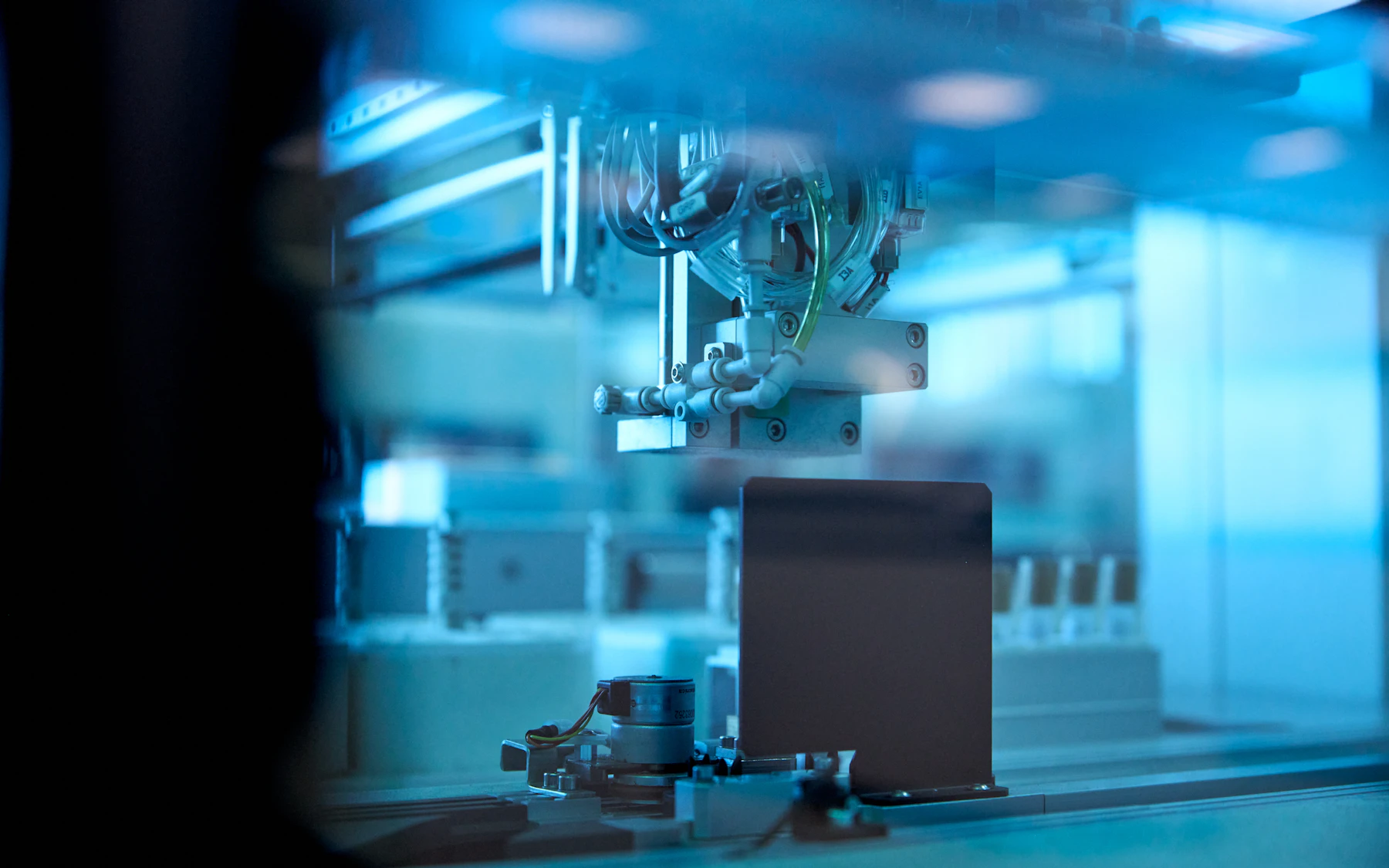
Edge-first event flow
That architecture reduces bandwidth pressure, supports remote or unstable links and keeps the upstream platform focused on events, classifications, counts, alerts and reviewable evidence instead of raw continuous video wherever that is not required.
RTSP, ONVIF, IP and USB feeds terminate at the edge gateway.
AI models analyse frames near site so latency and uplink demands stay lower.
Counts, detections, alerts, clips and snapshots can move upstream instead of every full stream.
Recordings and review packs can be retained or uploaded according to the operational requirement.
Problem and opportunity
NviroView shifts camera systems from passive recording toward proactive detection. Existing camera feeds become live views, sampled frames, AI detections, searchable metadata, evidence and alert triggers without requiring a full camera replacement. The preferred deployment model is edge-first: infer close to site, keep bandwidth under control and send structured events instead of forcing every stream upstream continuously.
Existing camera feeds and stream protocols.
Edge AI inference close to site.
Events, alerts, APIs, overlays and recordings.
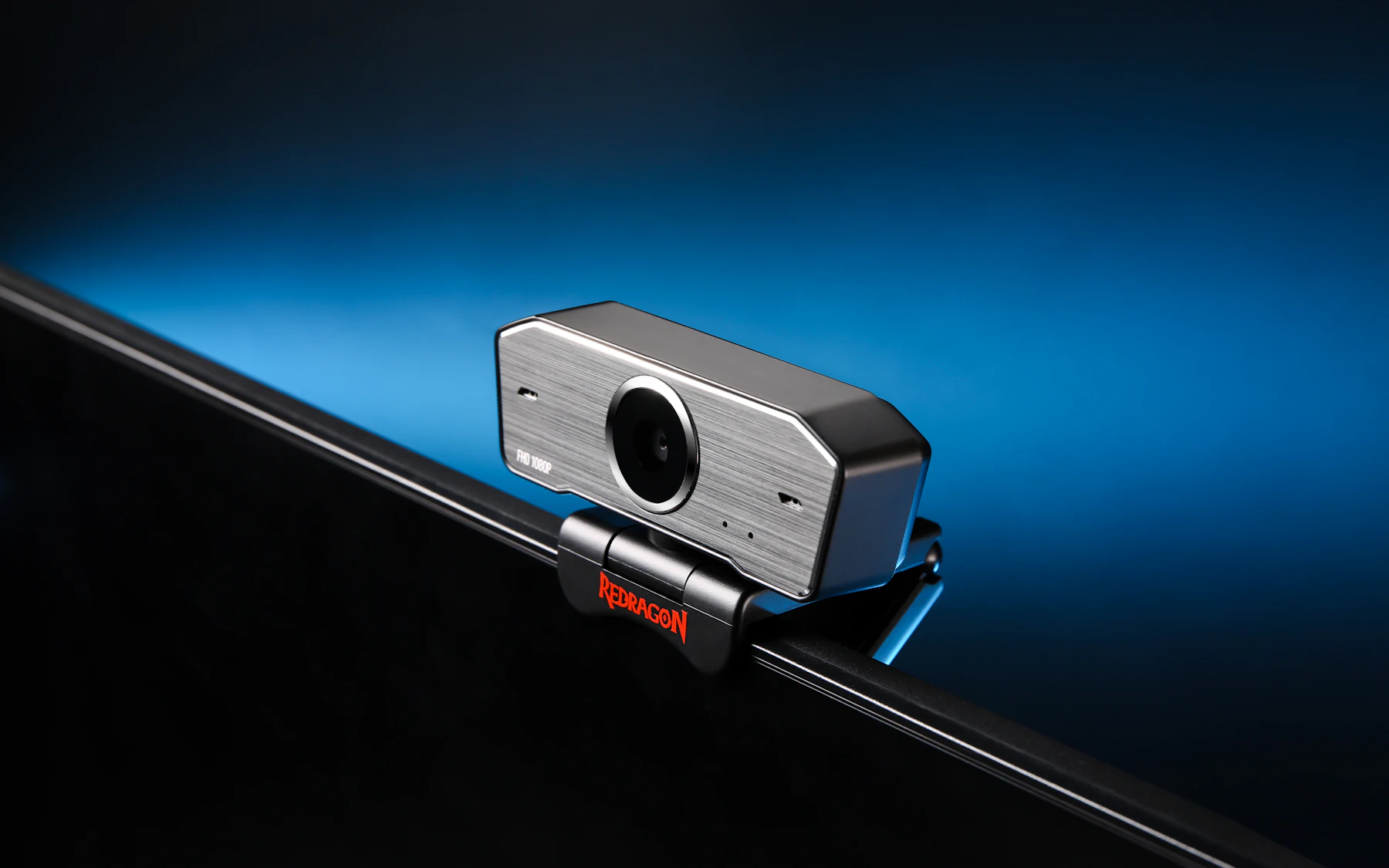
AI vision pipeline
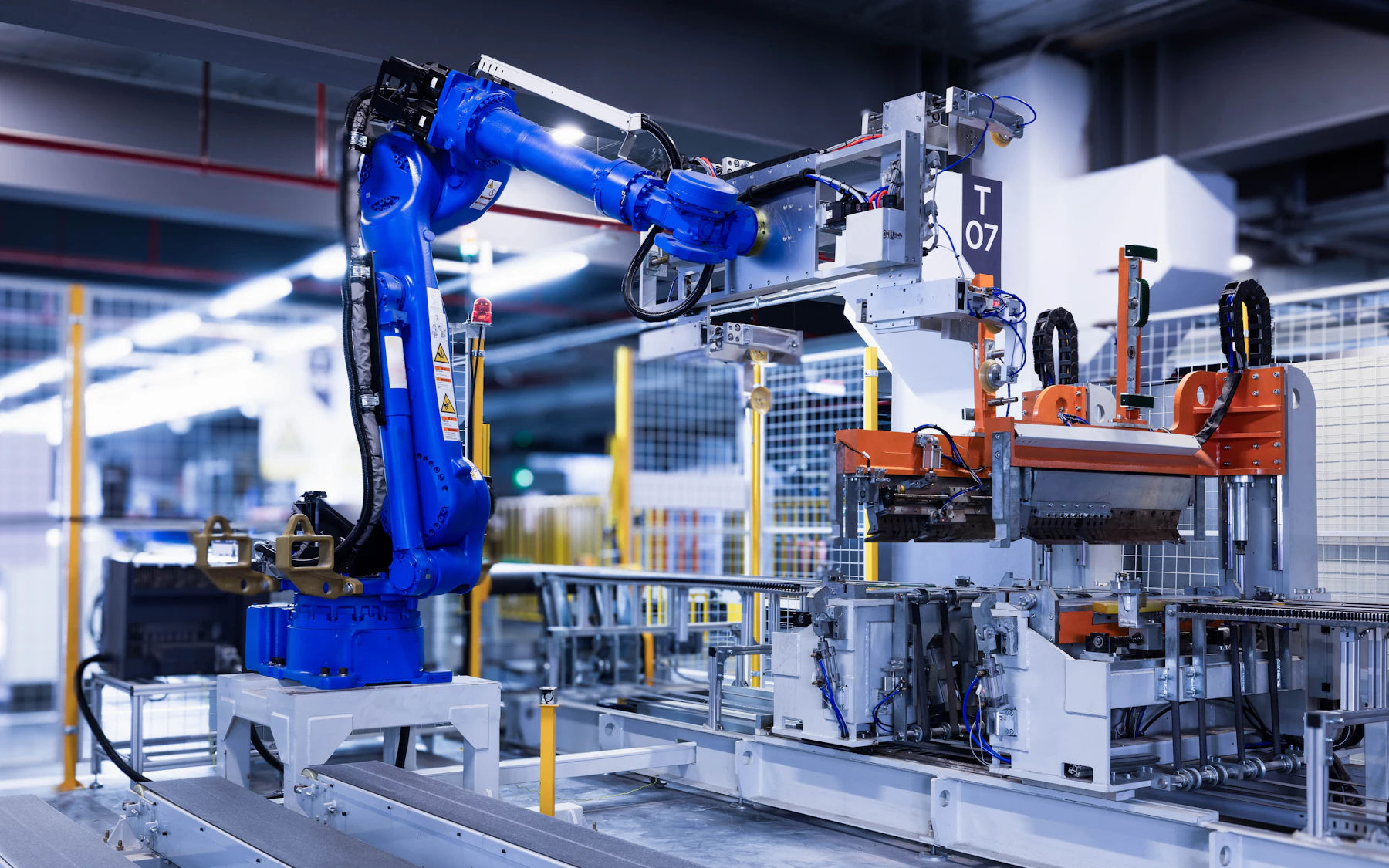
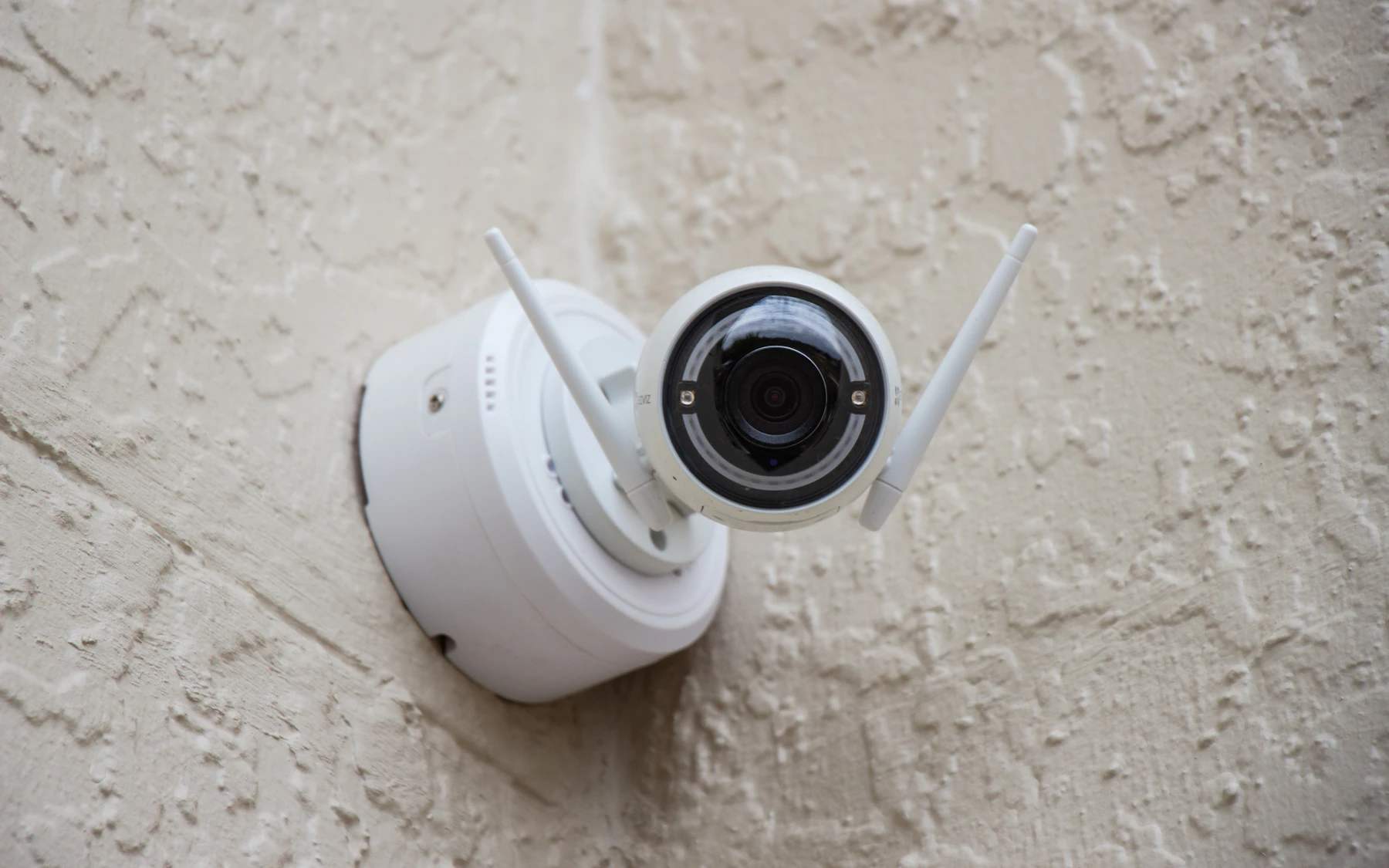
EZVIZ, Hikvision, Dahua, ONVIF-capable IP cameras, generic RTSP and local USB sources can be normalized into usable views, recordings and event metadata.
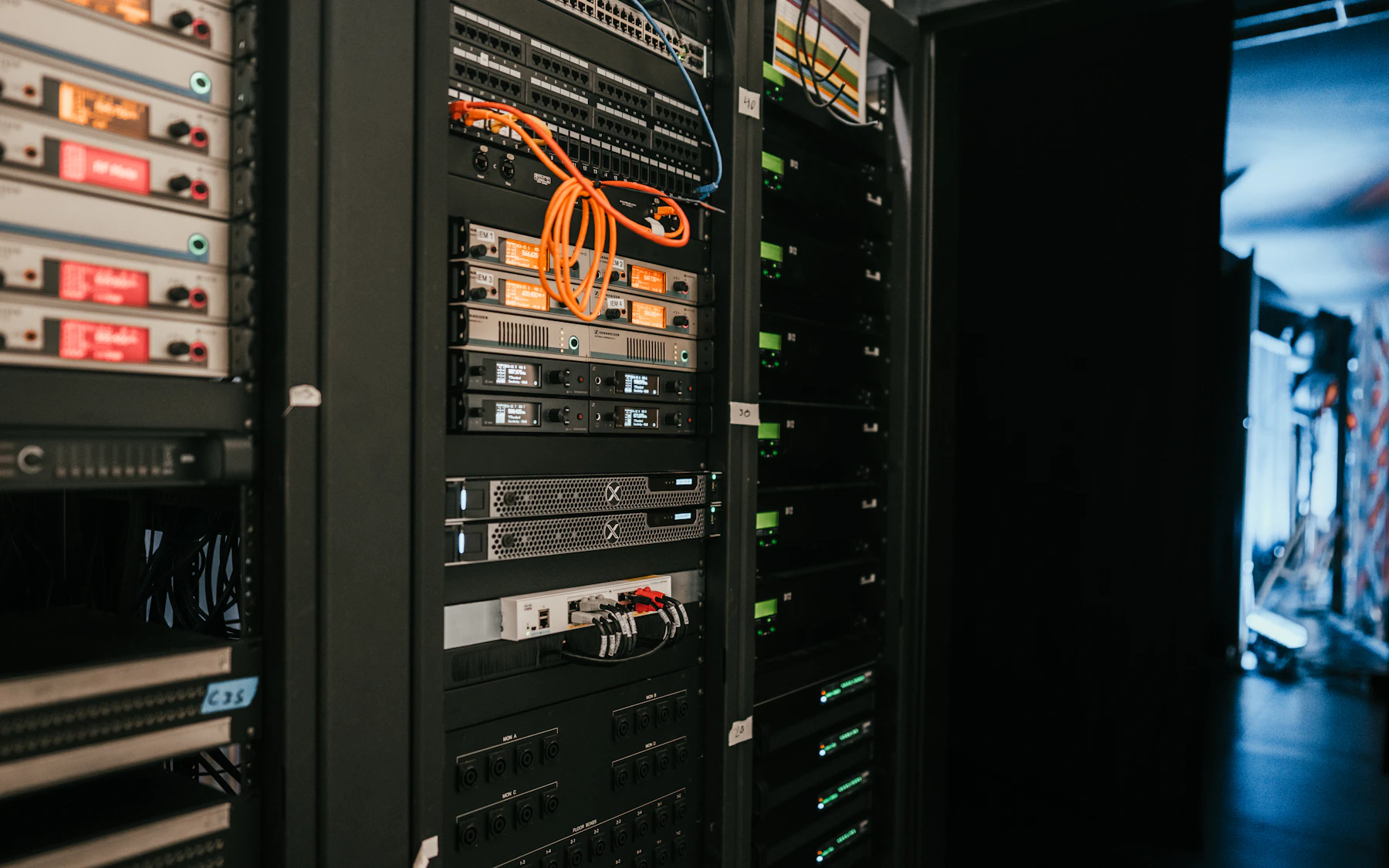
Camera, edge and output layers keep inference close to site, reduce bandwidth pressure and route events to dashboards, APIs and reports.
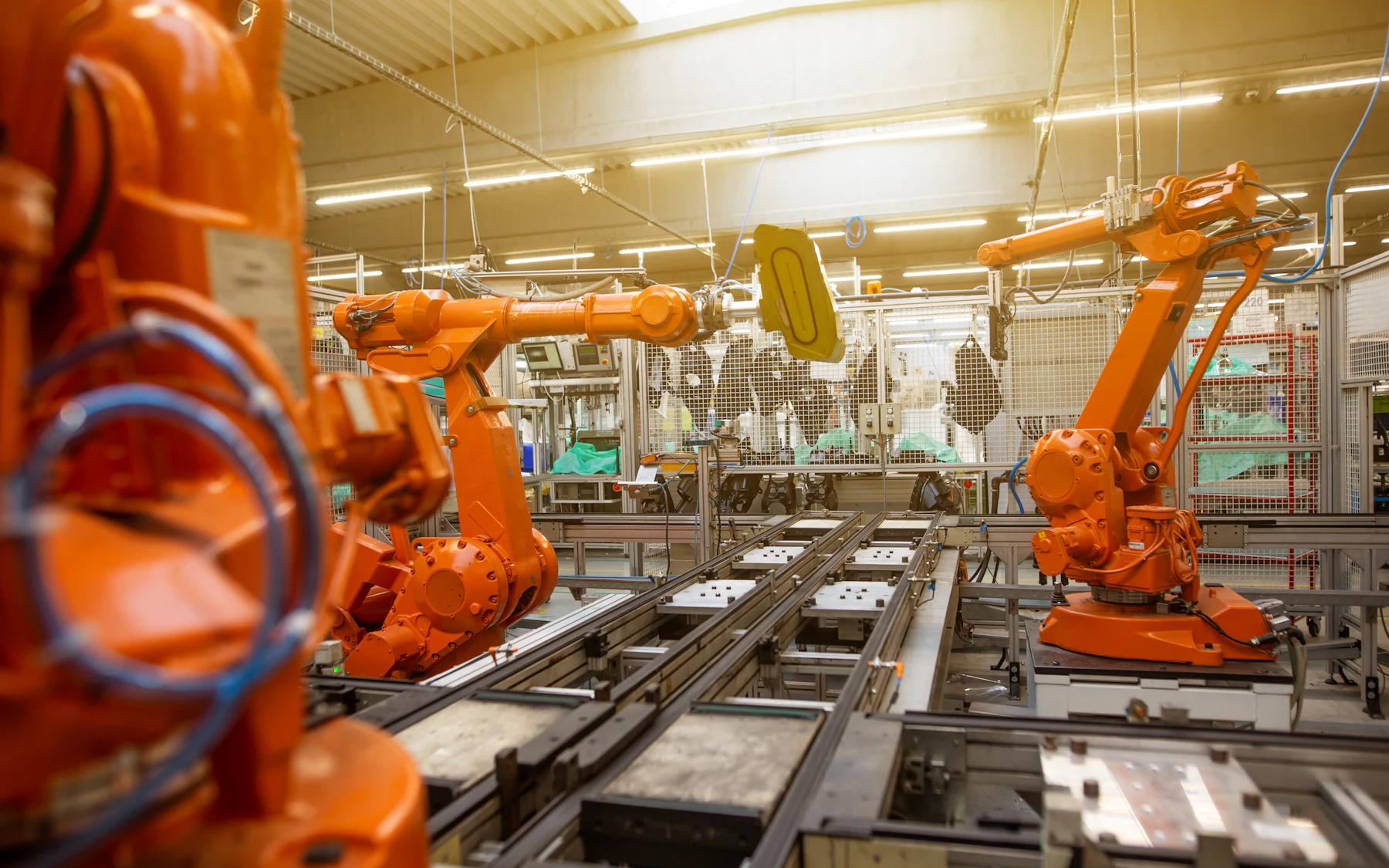
Traditional CCTV is reactive. Edge AI supports proactive event detection and faster response without cloud-only dependence.
Hardware fit
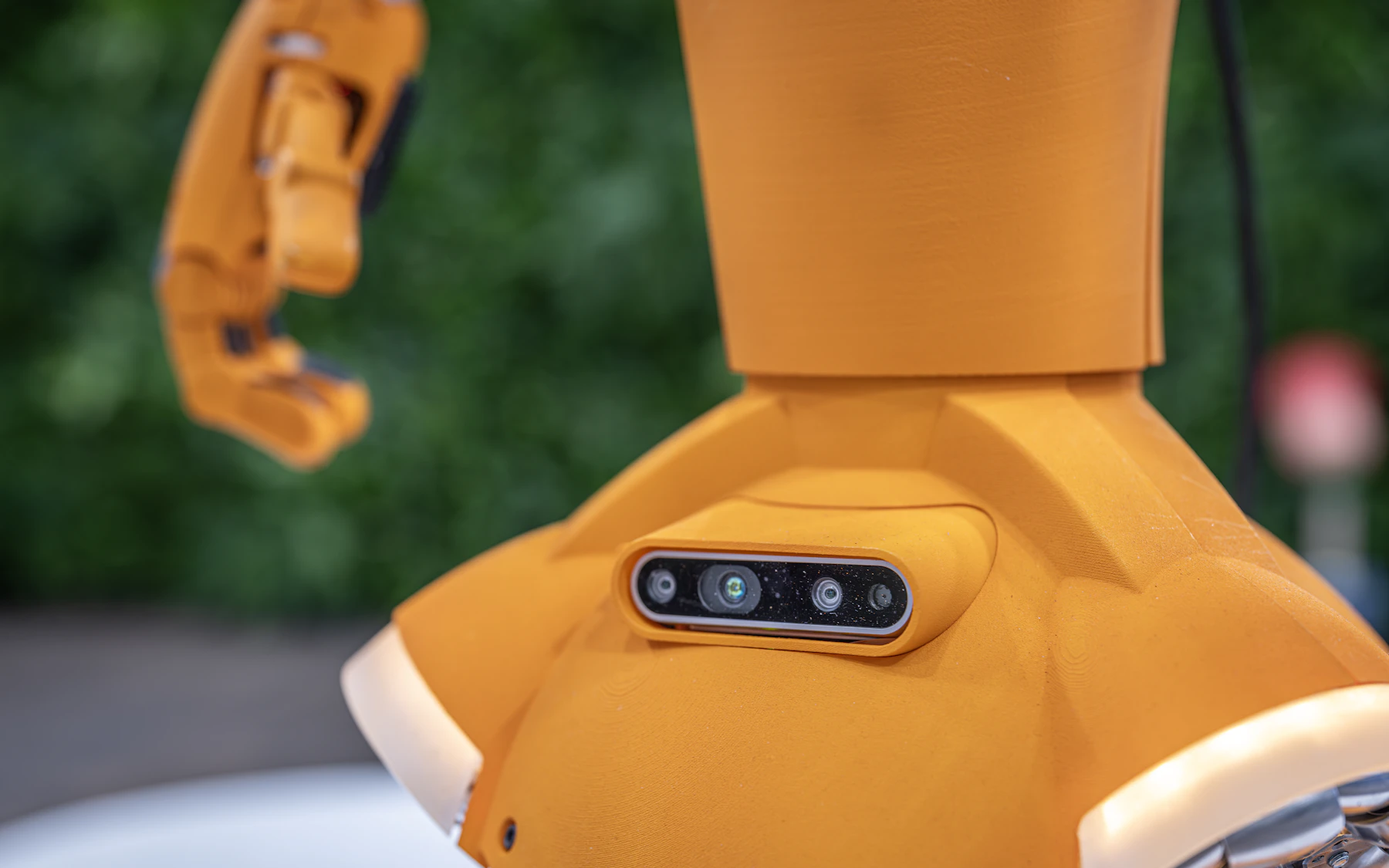
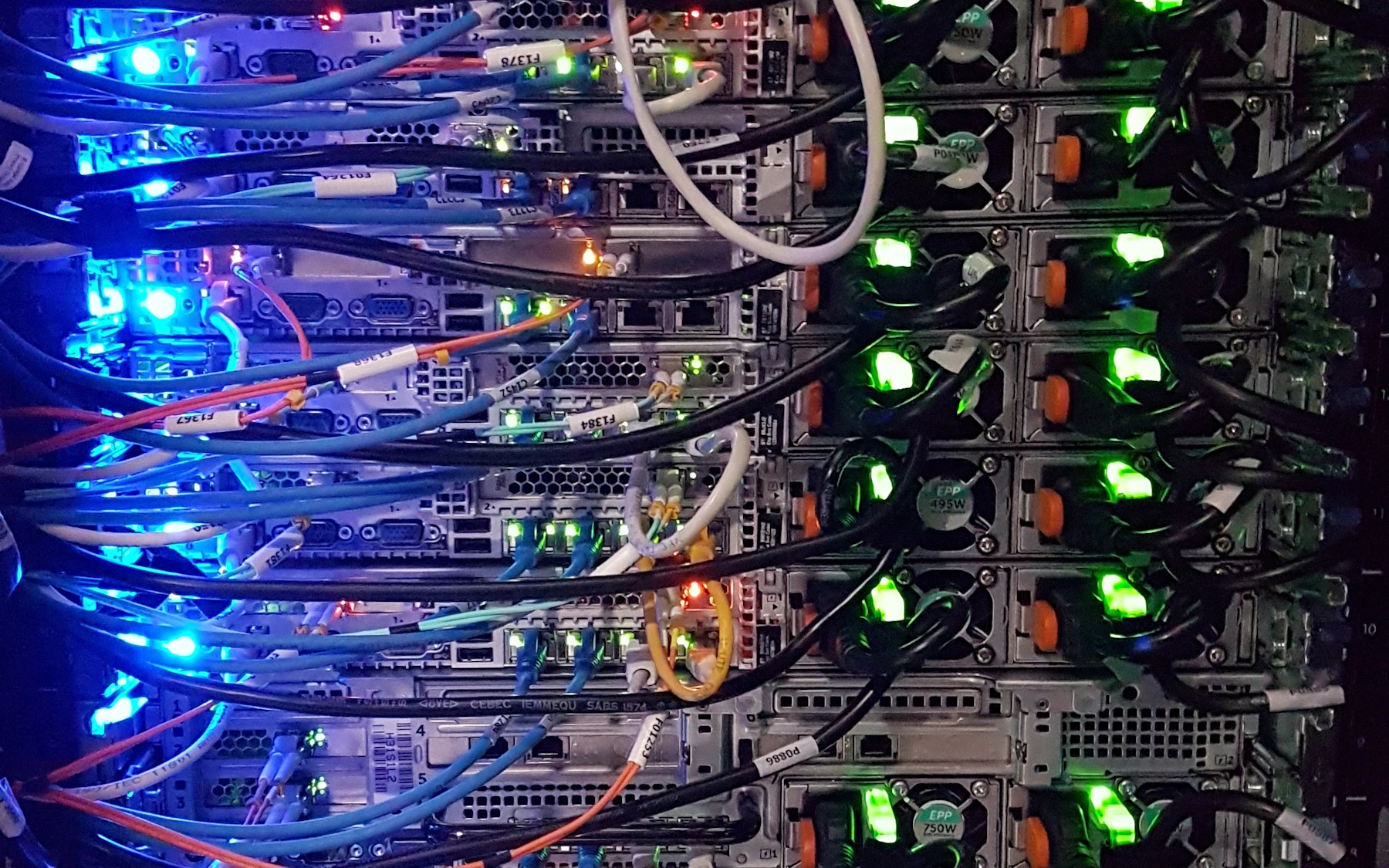
NviroView can be positioned from low-bandwidth event nodes through RK-class pilot gateways, Hailo industrial inference, Jetson Orin modules and higher stream-count edge deployments. The public story is simple: the gateway tier should match the operational problem.

Deployment opportunities
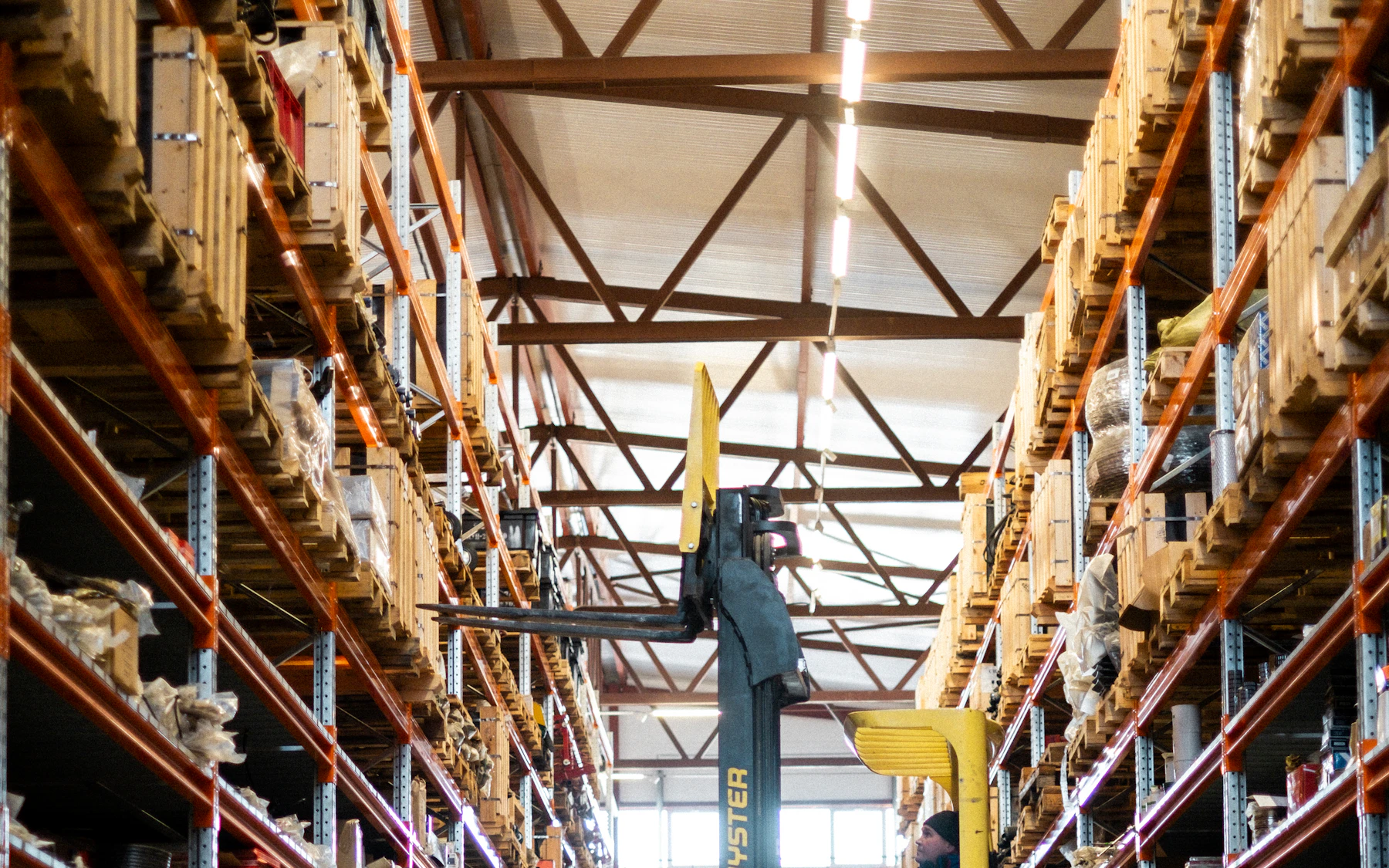
Vision AI becomes most valuable when it is connected to a business workflow: restricted zones, PPE areas, vehicle movement, queue monitoring, after-hours activity, perimeter events, low-bandwidth remote alerts and evidence packages.
Perimeter, vehicle and intrusion events.
PPE zones, hazard areas and forklift interactions.
Footfall, queue, asset and vehicle movement metadata.
Low-bandwidth event monitoring where continuous video is impractical.
From camera feed to business action
NviroView upgrades camera infrastructure into an intelligent detection, recording, alerting and integration platform that can feed Nvirosense dashboards and operational workflows.
Hardware options
Match the NviroView gateway to the camera workload, bandwidth profile and model requirements before confirming final sizing.
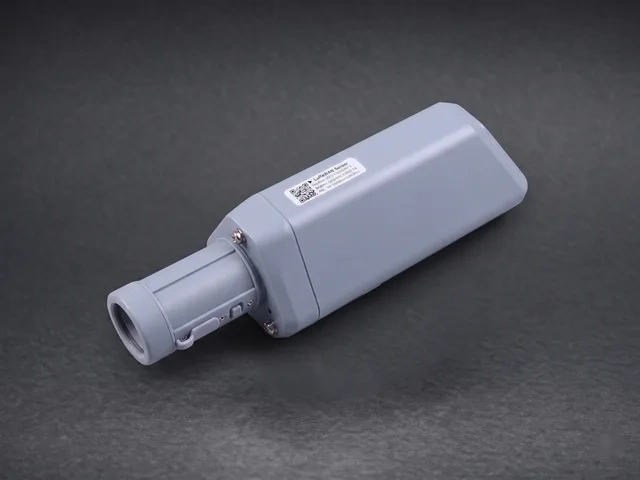
Event node - ~0.1 TOPS
Remote event detection only. No continuous video; sends event metadata, making it useful for farms, gates and low-bandwidth sites.
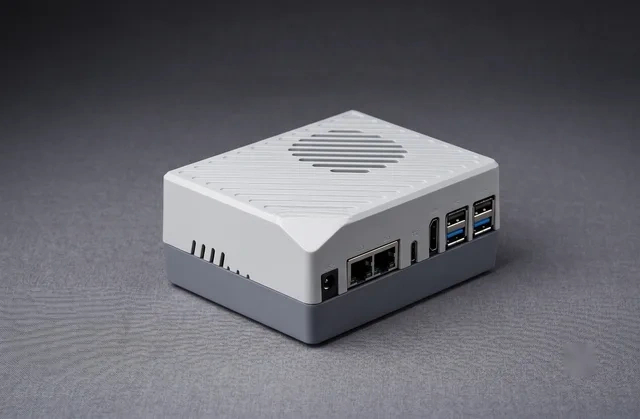
AI box - 6 TOPS
Low-cost AI entry tier for pilot deployments and smaller camera groups running light models.
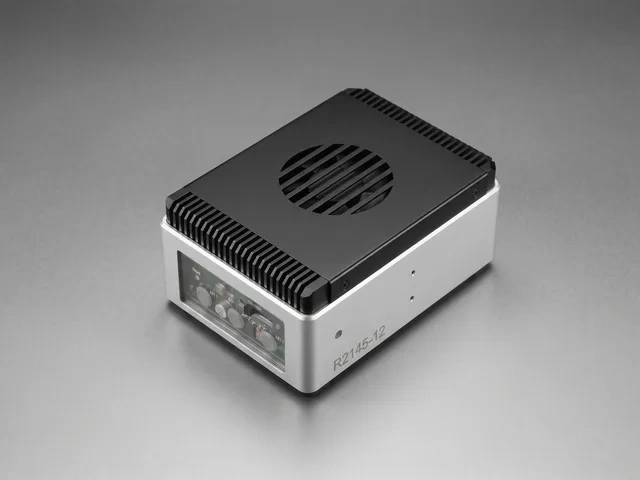
R2145-12 - CM5 - 26 TOPS
Industrial Hailo inference tier for optimized HEF models and deployments that need a hardened gateway form factor.
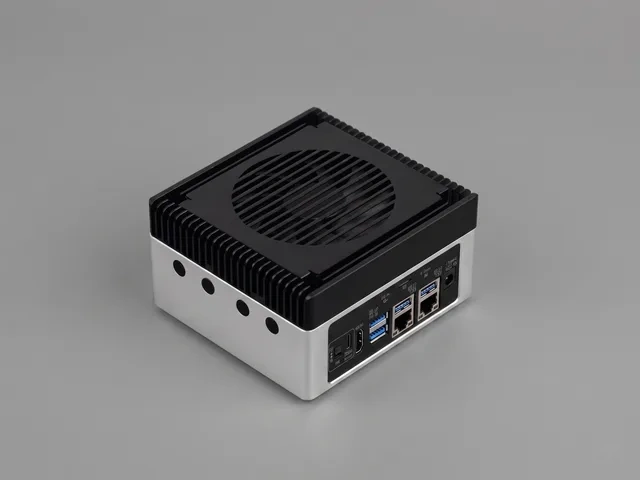
Jetson - up to 67 TOPS
Compact Jetson edge tier for multi-camera deployments where model choice, resolution and FPS drive sizing.
Jetson - up to 157 TOPS
Multi-stream Jetson tier for larger camera groups and heavier models, sized to the deployment workload.
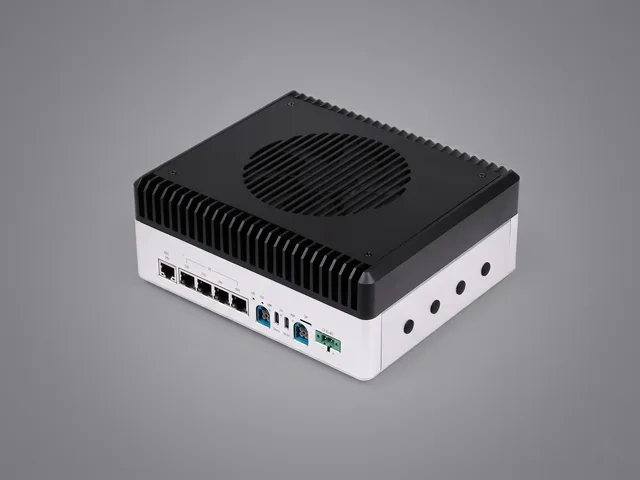
Jetson - up to 275 TOPS
High-density AI compute tier for the largest edge deployments and higher aggregate inference demand.