

August 21, 2023
Transforming Cold Chain Through Collaboration
Shared location, condition and handover evidence helps cold-chain partners coordinate exceptions and reconstruct a product journey from origin to destination.
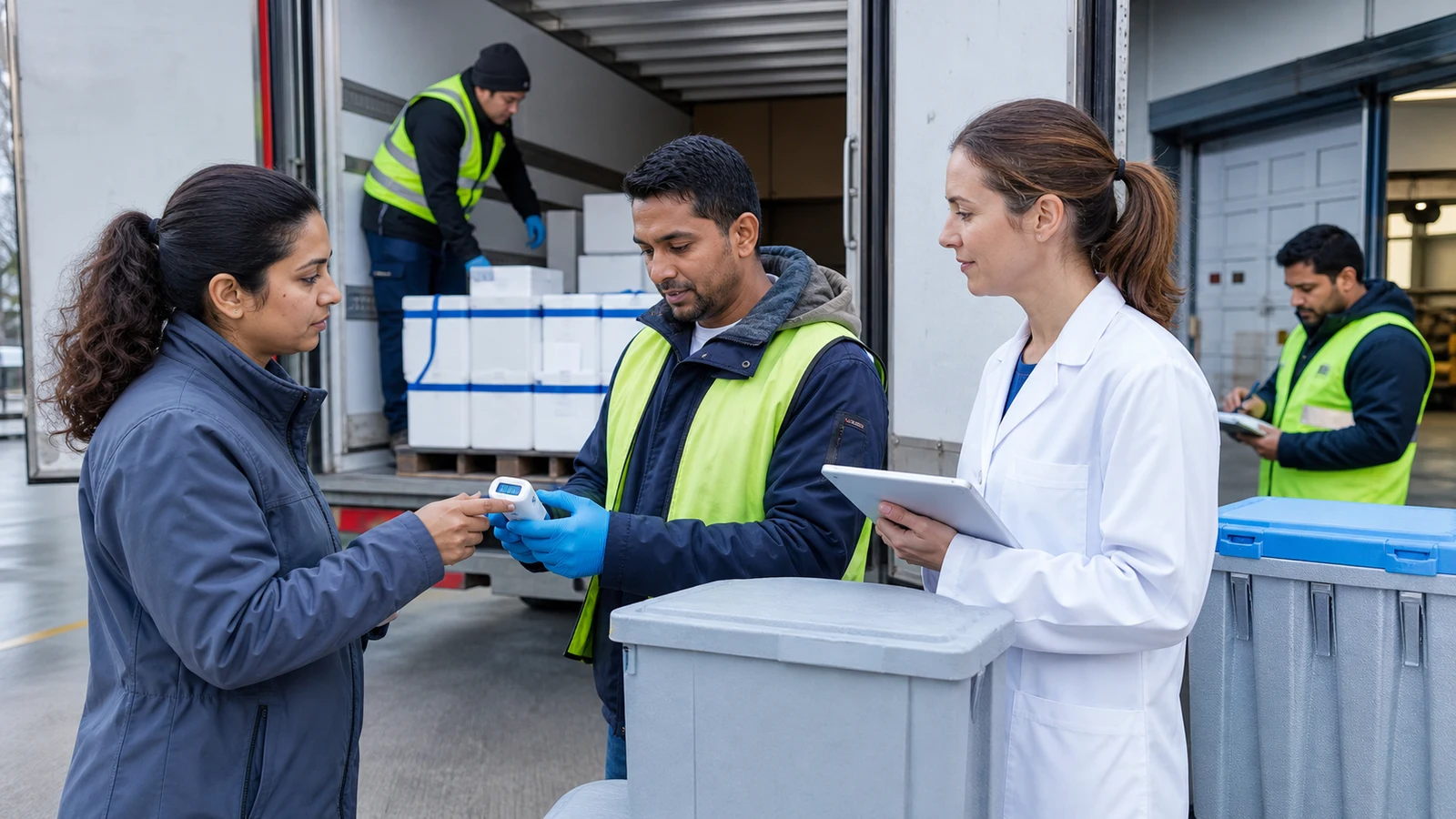
End-to-end visibility cannot be delivered by a tracker acting alone. It depends on producers, warehouses, carriers and receivers agreeing what will be monitored, who will respond and how records will follow the consignment across every handover. Collaboration turns telemetry into a usable chain of environmental evidence.
Build visibility around the consignment
Compact trackers can travel with goods through containers, cold rooms, vehicles and final delivery. Depending on the device and network, they may record location, temperature, light, motion or other events and buffer readings when communication is unavailable. This creates continuity across places that previously produced separate records.
The device identifier should be associated with the consignment, route and expected conditions before departure. Nvirosense™ provides one view of the resulting telemetry so that a partner can understand which shipment a reading belongs to, rather than receiving an anonymous data export after an exception.
Use geofences to describe meaningful transitions
A geofence is useful when crossing its boundary has operational meaning: departure from an approved facility, arrival at a distribution centre or movement into a high-risk area. Entry and exit events can notify responsible teams and add time-stamped milestones to the route record. For personnel or high-risk assets, a configured panic action may also create an urgent event with the last reported position.
Flexible configuration matters because not every boundary should create an alarm. Some movements only need to be logged, while a deviation from an authorised corridor may demand immediate escalation. Location accuracy, coverage and site geometry should be considered before treating a boundary event as definitive.
Design a response shared by every partner
Visibility has little value when each organisation assumes somebody else is watching. The monitoring plan should identify alert recipients, escalation times and the information required at handover. A temperature deviation, unexpected opening or delayed arrival can then enter a known workflow instead of becoming an unresolved notification.
Acknowledgements, notes and supporting documents create a common event timeline. This helps a carrier explain the route, a warehouse confirm receipt conditions and a quality team review the complete evidence without reconstructing it from email, paper forms and multiple portals.
Connect long-range tracking with local resilience
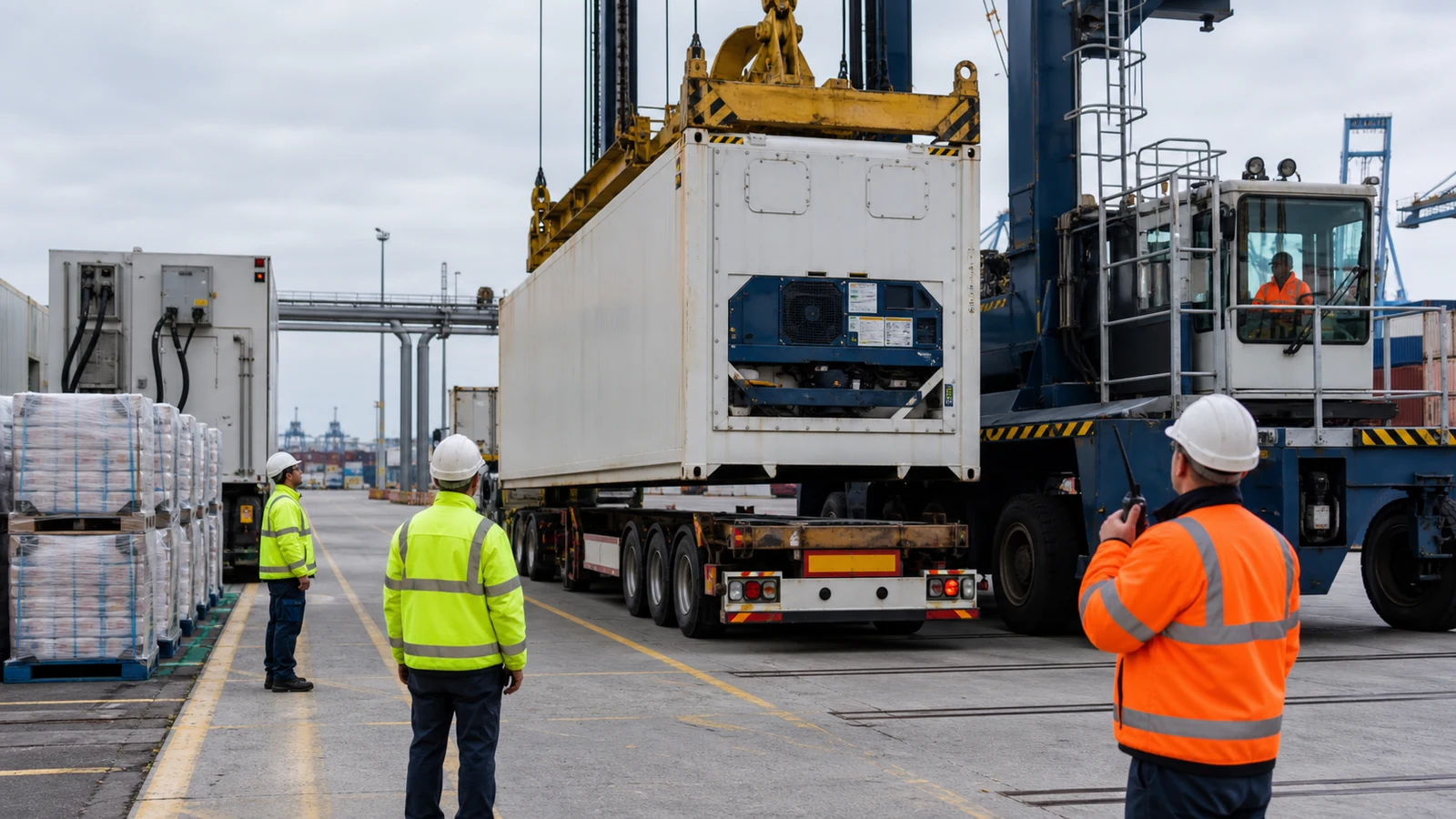
Low-power wide-area networks can extend monitoring to routes and sites where conventional mobile connectivity is expensive or inconsistent. Long battery life and local data storage can reduce gaps, while location may be derived from several technologies according to the operating environment.
Connectivity claims should remain grounded in the deployment. Terrain, buildings, gateway placement, roaming arrangements and reporting frequency all affect performance. A pilot route and documented exception handling are more reliable than assuming one network design will behave identically from road to port.
Use the record across sectors without overstating it
The same evidence model can support food, agriculture, healthcare and pharmaceutical logistics: identify the asset, follow its route, retain environmental conditions and record handovers. Reports can expose recurring delays, route variation or handling points where conditions change, supporting operational improvement and security review.
For GxP supply chains, Nvirosense™ provides traceable environmental and movement evidence for investigation and quality review. It does not release stock, determine product impact or make an organisation compliant; those decisions remain with authorised personnel under the customer's quality management system.
A connected cold chain is ultimately a shared operating practice. When partners agree on context, alerts and handovers, monitoring becomes more than a map: it becomes a defensible product history that supports faster response and better joint decisions.