

August 16, 2023
The Rise of IoT in Africa
Resilient sensors, local connectivity and shared analytics can strengthen African services when deployments are designed around affordability, infrastructure and local decisions.
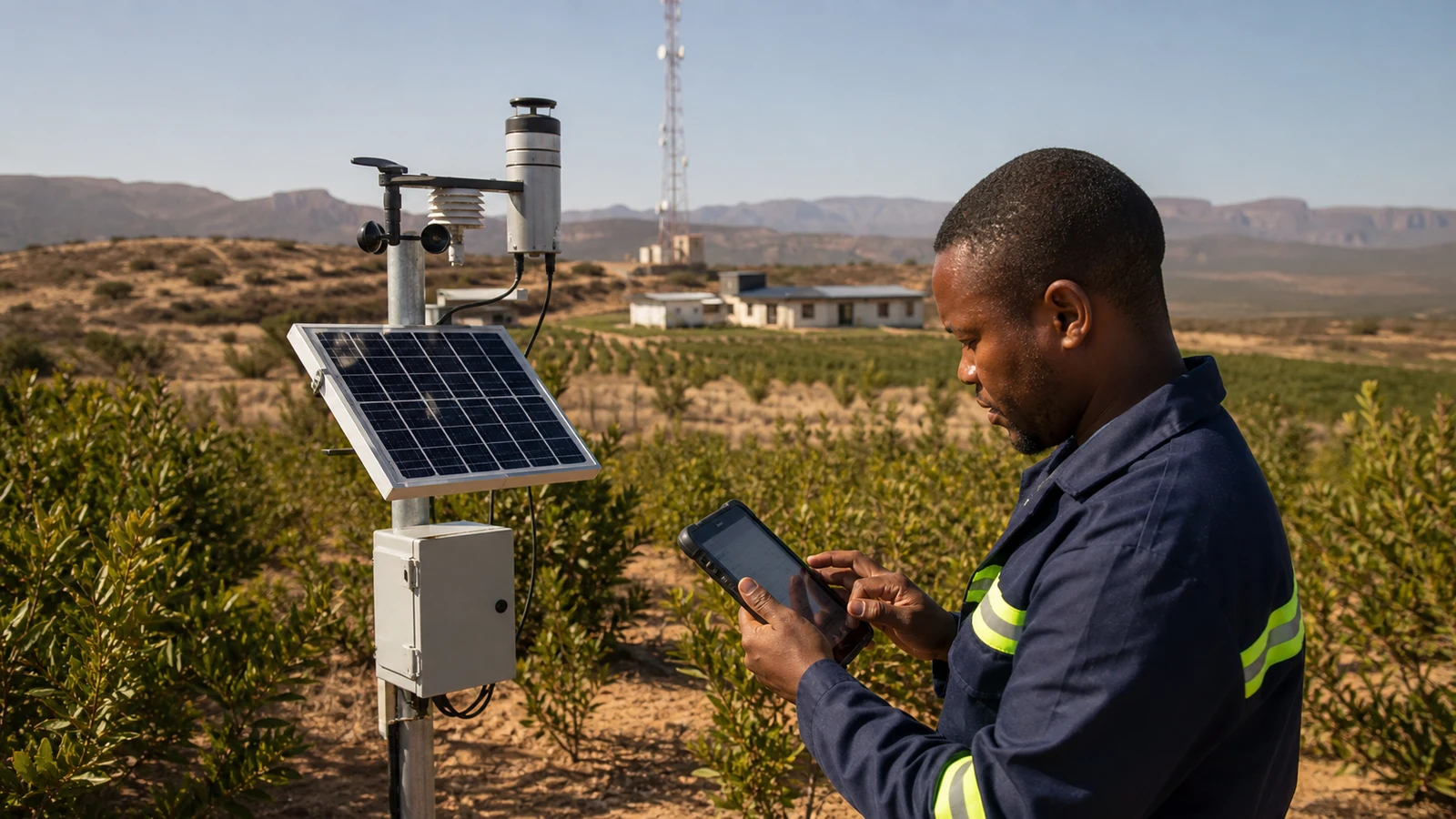
Africa's opportunity for connected monitoring is not to copy a smart-city blueprint from somewhere else. It is to apply sensing, communications and analytics to local priorities such as water, agriculture, healthcare, energy and urban environmental conditions, while designing honestly for uneven infrastructure and constrained budgets.
Start with the constraint, not the device
Connectivity gaps, equipment cost, power reliability, maintenance capacity and uncertain regulatory requirements can slow adoption. These are not reasons to dismiss the technology; they are design inputs. A useful deployment identifies the decision that better evidence could change and chooses the simplest reliable way to collect it.
Low-power devices, long-range networks, local buffering and solar or battery options can extend coverage, but every site needs its own assessment. Nvirosense™ can bring distributed measurements into one operational view while preserving the time, location and device context required to interpret gaps correctly.
Strengthen agricultural decisions
Soil moisture, soil temperature and local weather help farmers judge irrigation and field activity against conditions on their own land. When combined with crop stage and intervention records, these measurements can support more efficient water and fertiliser use, reduce unnecessary visits and improve farm-to-market traceability.
The benefit must remain accessible to commercial and smaller producers alike. Shared stations, proportionate sensor networks and clear mobile reporting may deliver more value than a dense technology estate that cannot be maintained after the pilot.
Extend visibility in health and water services
Remote environmental monitoring can support clinics, medicine stores and medical equipment by showing when critical conditions change and by creating evidence for maintenance or quality review. It does not replace clinical judgement or GxP responsibilities, but it can shorten the time between a fault and a responsible response.
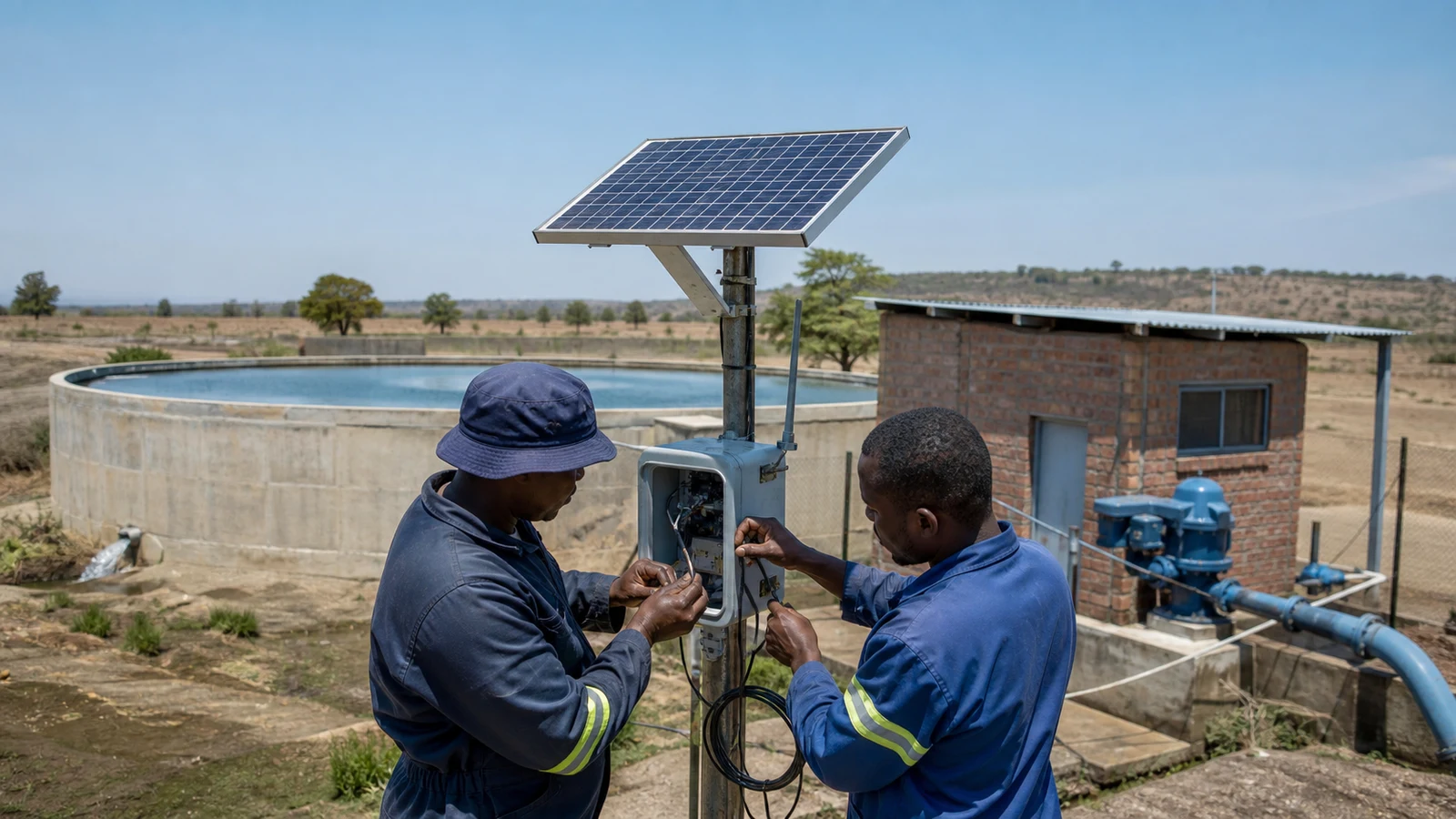
Water systems benefit from the same principle. Level, flow, leak and selected quality indicators can reveal interrupted supply, abnormal consumption or possible contamination earlier. Alerts should initiate inspection and, where necessary, confirmatory testing rather than presenting an indicative sensor as a complete safety verdict.
Make cities observable at street level
Johannesburg, Cape Town, Cairo and other African cities are exploring how digital tools can improve services. Local air-quality, temperature, humidity, occupancy and energy data can show neighbourhood and building patterns that national averages miss, helping facilities and public teams prioritise limited resources.
Smart-city value comes from what happens after collection. Residents and operators need understandable information, defined response ownership and transparent limits on how data is used. Privacy and security should be designed into tracking or people-related applications from the beginning.
Build capability alongside infrastructure
Sustainable adoption requires technicians who can install and maintain devices, analysts who understand the measurements and decision-makers who can act on the results. Government, research institutions and industry all have a role in developing skills, interoperable practices and proportionate regulation.
Pilot programmes should measure reliability, operating cost and decision impact, then expand only where the evidence supports it. This creates a locally owned monitoring capability rather than a collection of short-lived demonstrations.
The rise of IoT in Africa will be defined less by the number of connected devices than by the quality of the decisions they support. Resilient design, local skills and accountable use of environmental evidence can turn connectivity into practical progress across communities and industries.