

June 28, 2023
The Future of Waste Management in Pharma and Healthcare
Connected container, route and inventory records support safer healthcare waste handling, efficient collections and evidence-based reduction programmes.
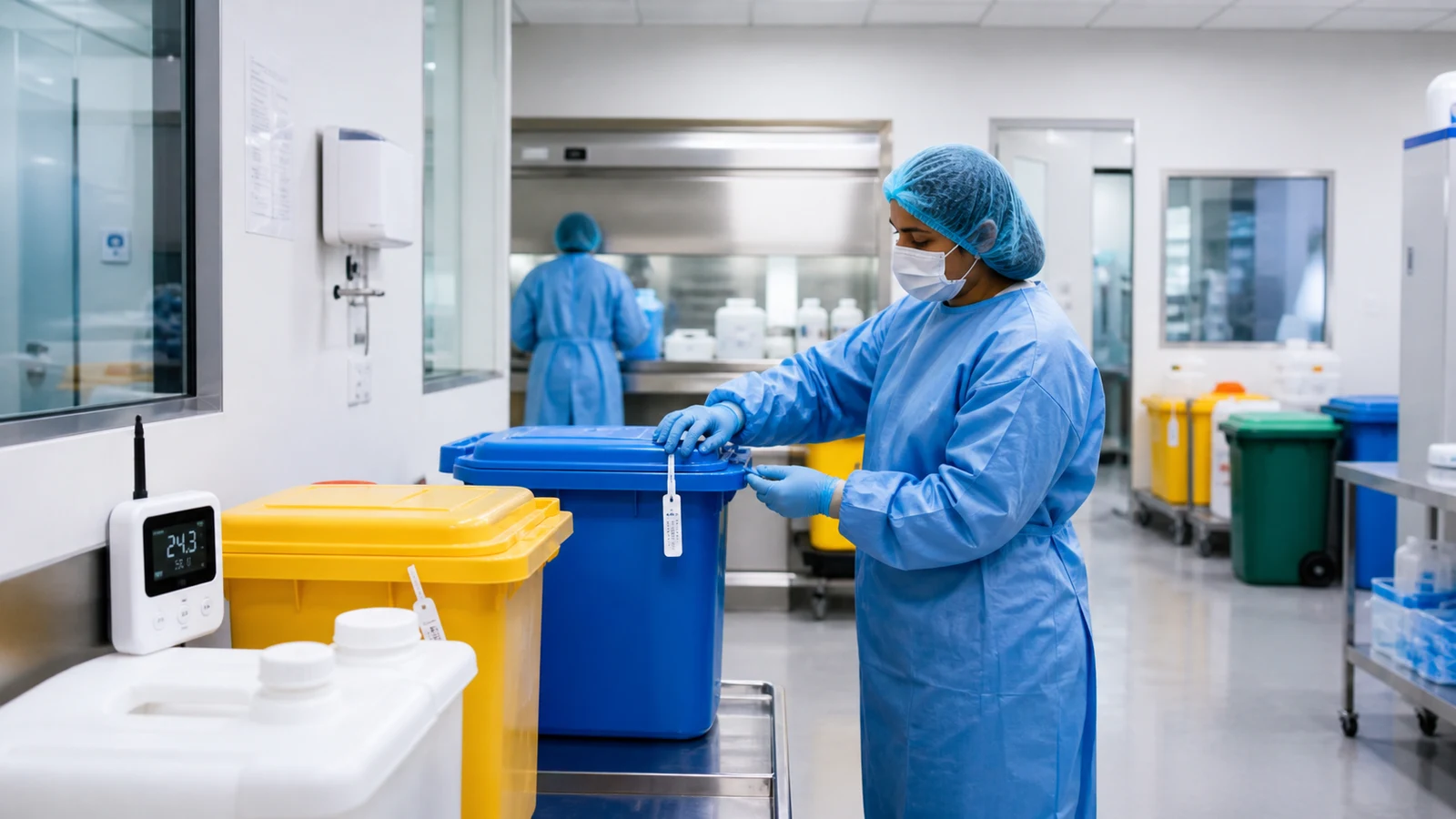
Pharmaceutical production, storage and healthcare generate diverse waste streams, from unused medicines and chemical residues to contaminated materials and disposable protective equipment. Because the risks differ, responsible management depends on segregation, traceable custody and authorised treatment rather than a single technology or collection routine.
Follow waste from generation to final handover
A traceable record can associate a container or consignment with its waste category, source, time, responsible person and authorised collection. Location and handover events then show the route towards treatment or disposal, helping organisations investigate missing containers, delays or departures from the approved process.
Nvirosense™ can consolidate tracking and environmental events into evidence for operational and GxP review. It does not certify a waste stream, select its legal classification or make a facility compliant; those responsibilities remain with the generator, authorised service providers and accountable customer personnel.
Use fill-level data to improve collection
Ultrasonic or other level sensors can indicate when suitable waste containers approach capacity. This supports demand-based collection, reducing unnecessary trips while helping prevent overfilling, obstruction and avoidable hygiene risk in busy facilities.
The reading needs container geometry, location and service context. A sensor cannot determine whether incompatible materials were mixed or whether a clinical-waste bin was used correctly, so segregation, labelling and staff training remain fundamental controls.
Connect vehicles, drivers and handovers
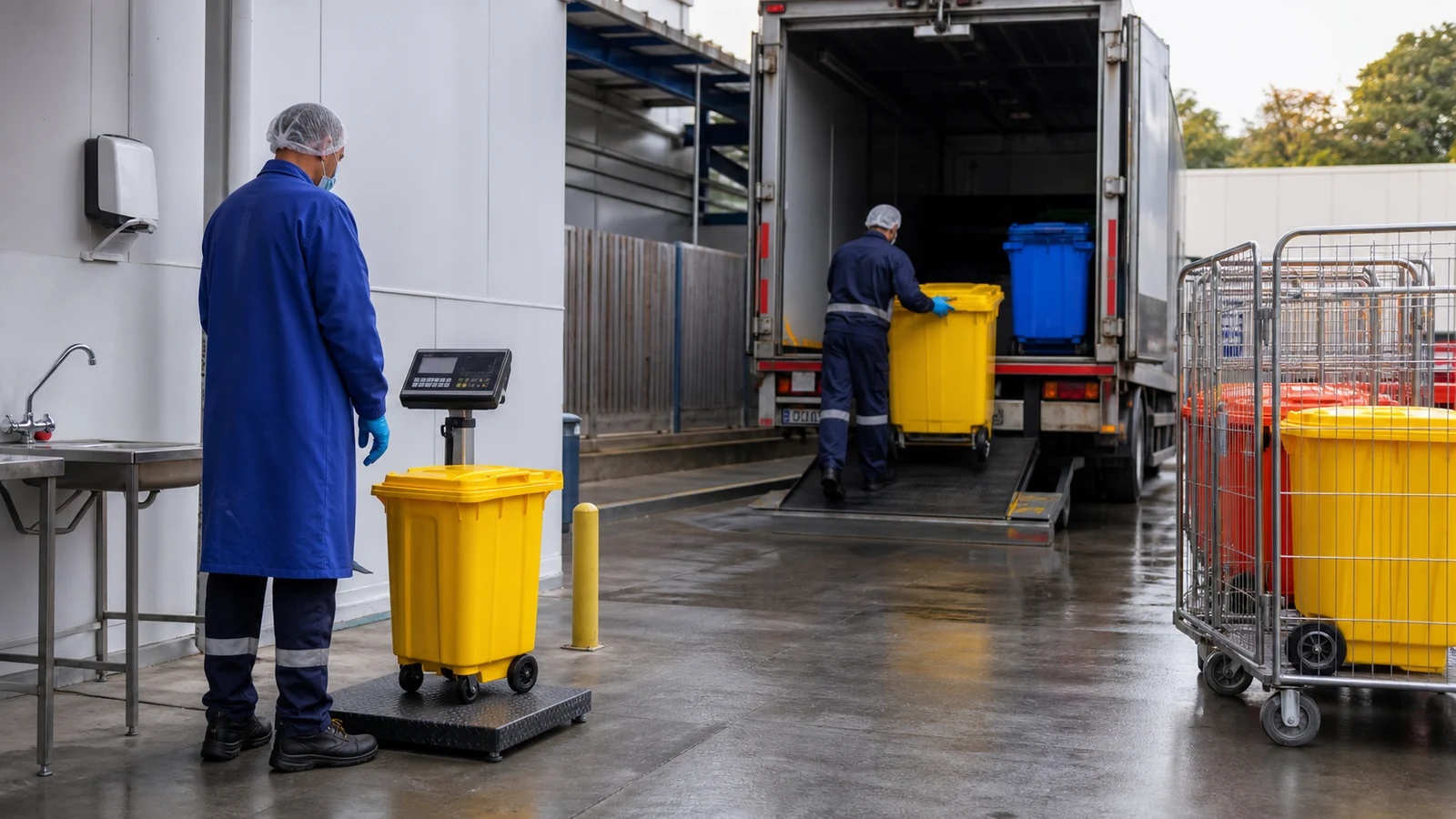
Asset trackers can provide route, stop and movement evidence across collection fleets, including areas served by long-range, low-data-rate networks. Dispatch teams may use that visibility to plan collections, investigate an unexpected stop and confirm that material reached the intended facility.
Routes should be evaluated with capacity, authorised destinations, traffic and waste-specific handling rules. Monitoring supports logistics and accountability without replacing transport documentation, licensing or chain-of-custody procedures.
Apply vision tools with human oversight
Camera-based systems and machine vision may assist with material recognition or sorting in controlled parts of a recycling or disposal process. They can improve throughput and highlight suspect items, but performance depends on lighting, training data, material presentation and the categories the system was designed to recognise.
Human verification and safe handling remain necessary, especially where misclassification could expose staff or contaminate recoverable material. Images may also contain personal or operational information, making privacy, access and retention controls essential.
Prevent pharmaceutical waste upstream
Waste reduction begins before collection. Inventory monitoring can identify medicines approaching expiry, repeated environmental deviations or stock imbalances between locations. Teams may then investigate redistribution, purchasing and storage practices within the rules that govern the product.
For controlled or GxP inventory, environmental records support quality assessment but do not authorise reuse, redistribution or release. Those decisions require approved procedures and authorised review.
Use analytics to target reduction
Historical weights, fill levels, collections, inventory losses and route data can reveal where waste is generated and how the pattern changes by department or process. Forecasts may support container placement, collection capacity and procurement planning when they are checked against real operating conditions.
The most credible sustainability programme measures outcomes after an intervention. Comparing waste volumes, collection distance, overflow events and disposal categories helps an organisation show whether a change reduced impact or simply moved the problem elsewhere.
The future of pharmaceutical and healthcare waste management is a more observable chain of responsibility. Connected evidence can improve timing, traceability and prevention, but safe segregation, authorised handling and accountable human decisions remain the foundation of environmental and public-health protection.