

June 21, 2023
Tackling Global Challenges with Precision Agriculture
Field measurements, weather context and targeted input records help farms respond to climate, water, soil and food-production pressures with better evidence.
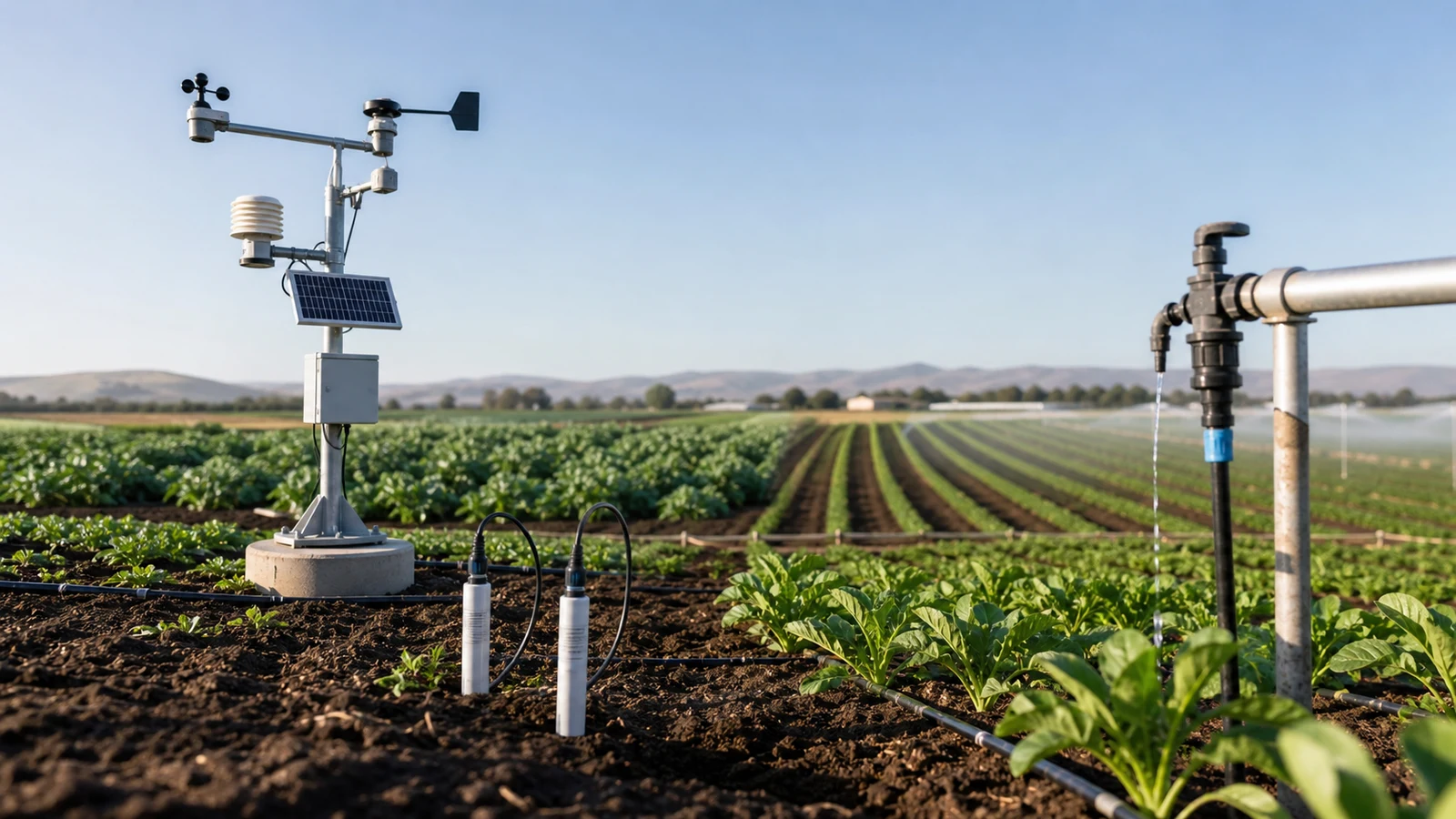
Agriculture must produce food under increasing pressure from climate variability, scarce water, rising input costs and degraded natural resources. Precision agriculture responds by observing differences within and between fields, then directing attention and inputs according to local evidence instead of treating the whole farm as uniform.
Measure the variation hidden inside a field
Crop health and soil conditions change with texture, elevation, drainage, management history and weather exposure. Soil moisture, temperature, electrical conductivity, pH and crop-growth indicators can show those differences at a scale that a farm average misses.
The objective is not to collect every possible variable. A useful design starts with the decisions a grower needs to make, selects representative locations and preserves the calibration, depth and block context behind every reading. Nvirosense™ then brings those field records into one operational view.
Apply water according to root-zone demand
Agriculture is a major user of freshwater, making irrigation efficiency central to both production and resilience. Soil-moisture probes show whether water reached the active root zone and how quickly it was depleted. Local rainfall, wind and weather-demand data explain why the same schedule produces different results from one day to the next.
This evidence can support decisions to delay irrigation after rain, shorten a cycle in a wet block or inspect a valve where the expected moisture response did not occur. It helps avoid over-irrigation, pumping cost and nutrient leaching while keeping crop stage, soil type and the grower's judgement in the loop.
Target nutrients and protect soil function
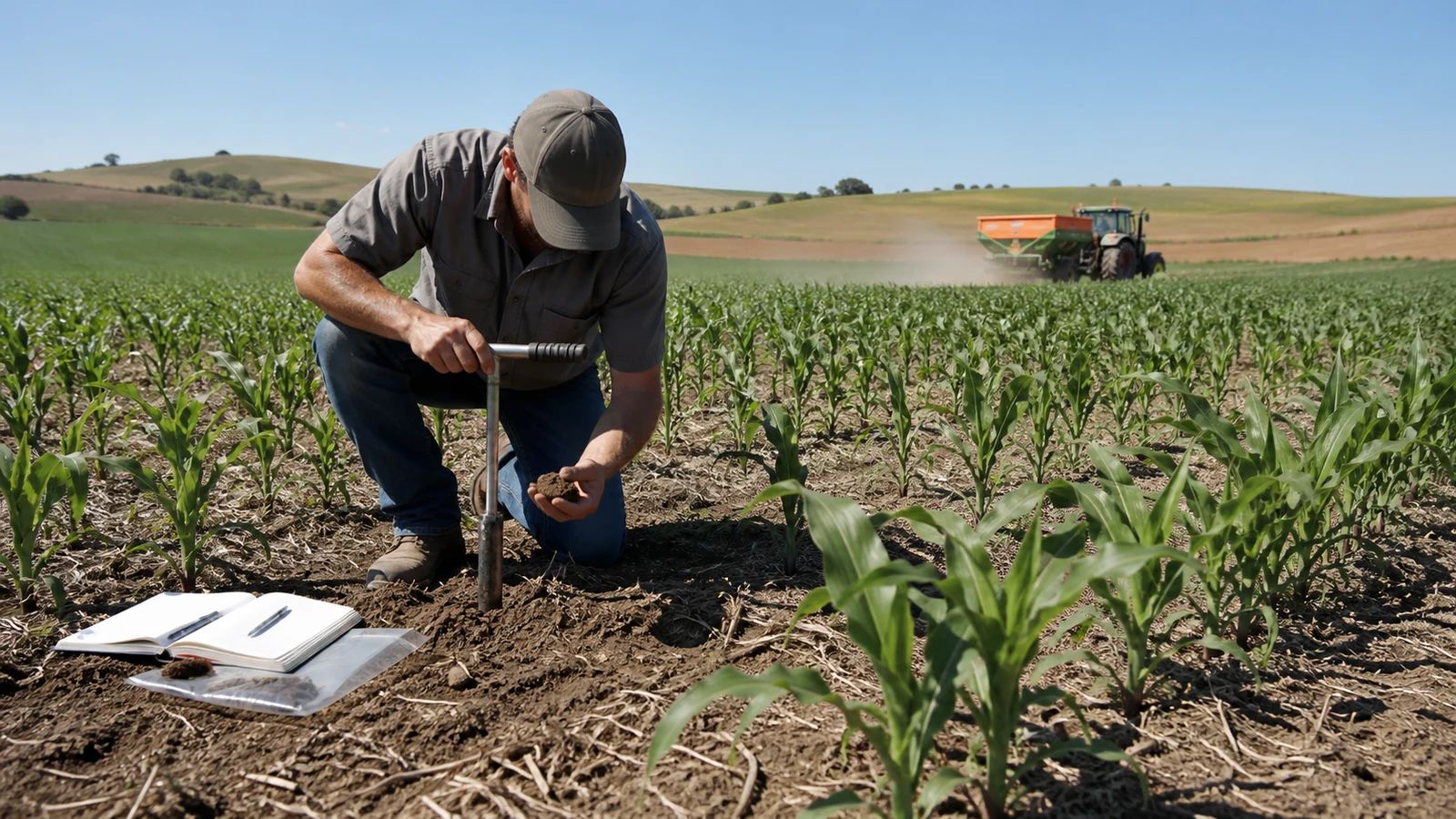
Uniform fertiliser application can leave one zone deficient and another overloaded. Soil and crop observations help agronomists identify where a different rate or amendment may be justified, reducing unnecessary input and the risk of nutrient loss to groundwater or surface water.
pH and electrical-conductivity trends provide context for acidity, alkalinity and salinity, while laboratory testing remains important for complete nutrient recommendations. Precision supports the decision; it does not turn one sensor into a full soil diagnosis.
Reduce pest pressure without blanket treatment
Connected traps, field scouting, crop imagery and weather records can indicate where pest or disease risk is increasing. Georeferenced evidence supports targeted application, variable-rate equipment or focused inspection rather than automatic treatment across unaffected areas.
More selective use can protect beneficial organisms and reduce chemical load, supporting biodiversity around the farm. Pest identification, product choice, legal directions and Integrated Pest Management remain matters for qualified people and the farm's approved programme.
Cut avoidable emissions and field movement
Precise nitrogen use may reduce excess application associated with avoidable nitrous-oxide emissions. Route and equipment data can also expose repeated trips, idling or inefficient field sequences that consume fuel without adding value.
These records support a more defensible emissions-reduction plan because they show what changed in practice. Any carbon claim still needs an appropriate calculation method, boundaries and verification beyond a dashboard trend.
Build resilience through healthier soil
Healthy soil stores water, supports roots and biological activity, and can buffer crops against variable weather. Repeated overwatering, salinity, compaction and poorly targeted inputs weaken that capacity. Long-term monitoring helps a farm see whether management is moving conditions in the intended direction.
Sensor histories become more valuable when linked to cover crops, rotations, cultivation, amendments and yield observations. This allows teams to compare seasons and separate a durable soil response from one favourable weather period.
Turn data into accountable farm decisions
Real-time measurements support today's irrigation or scouting decision, while historical analytics reveal recurring patterns. Dashboards and alerts should lead to defined actions, and the record should retain notes about inspections, applications and maintenance so that outcomes can be reviewed later.
Nvirosense™ connects ground sensors, local weather, operational events and traceability records. It provides environmental intelligence and decision support without promising a particular yield, prescribing inputs or replacing agronomic expertise.
Precision agriculture tackles global pressures through many carefully targeted local decisions. When farms combine reliable measurements with experienced people and a traceable record of action, they can use water and inputs more deliberately, protect productive soils and adapt with greater confidence.