

May 17, 2023
Sustainable Pharmaceuticals and Carbon Emission Reduction
Energy, process and logistics telemetry helps pharmaceutical organisations build a credible emissions baseline and target efficiency without weakening product controls.
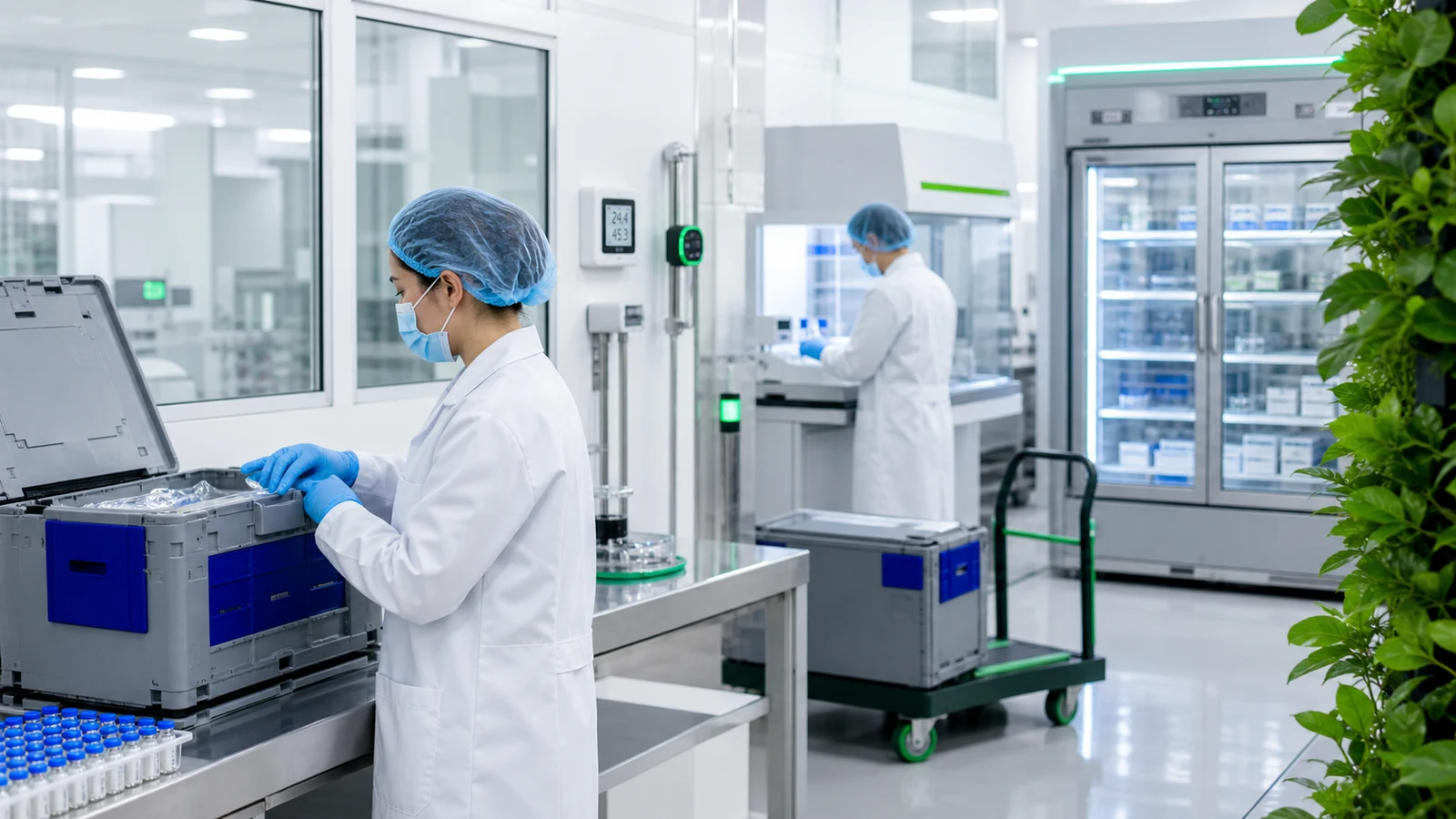
Pharmaceutical organisations have two environmental responsibilities in view: supplying products under controlled conditions and reducing the resource burden of making, storing and moving them. Connected monitoring helps teams examine both responsibilities with measured evidence rather than broad sustainability assumptions.
Begin with an attributable baseline
A credible reduction programme needs to know where energy and fuel are used, over what period and for which activity. Electricity meters, equipment states, facility conditions and production schedules can reveal the load associated with HVAC, cold rooms, utilities and idle operation. Fleet and route records add transport context.
Nvirosense™ can bring these time-series measurements into a common analytics layer, preserving site, asset and time references. That traceability helps sustainability teams explain the source of a figure and helps engineering teams find the operating event behind an unexpected increase.
Protect the cold chain while reducing waste
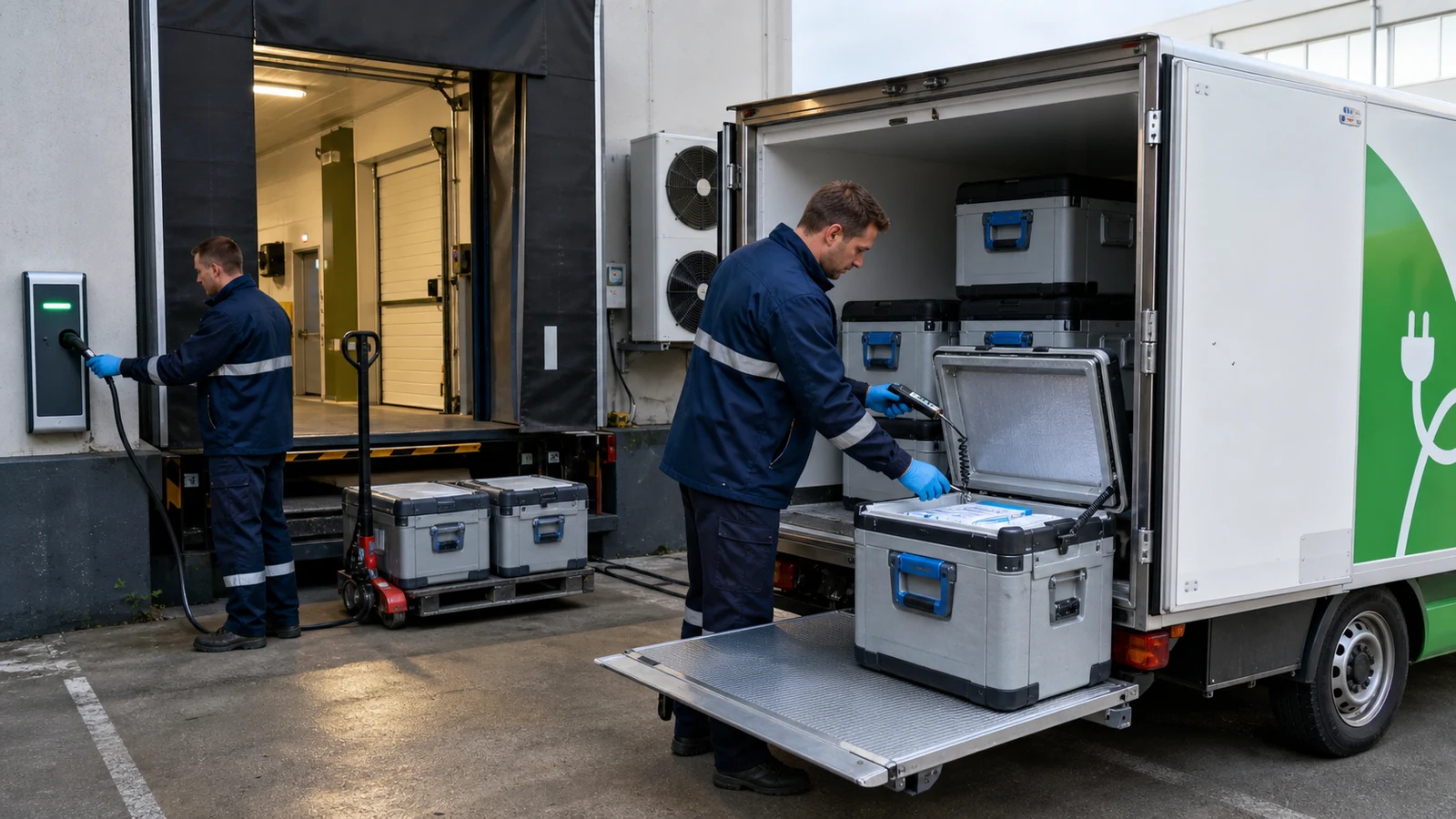
Temperature-controlled transport can consume substantial energy, yet changes cannot be made at the expense of product requirements. Environmental and location records allow teams to compare route duration, door events, refrigeration behaviour and excursions. The evidence may identify avoidable dwell time, inefficient loading or repeat delivery problems.
Optimisation should stay within qualified conditions and approved procedures. A shorter route or different set point is only suitable when quality, logistics and responsible technical staff have evaluated the change. Monitoring supplies the comparison record; it does not authorise the operational change.
Find energy patterns inside production and storage
Continuous energy data can expose demand peaks, equipment cycling and loads that persist outside useful production periods. When those patterns are aligned with room temperature, humidity, pressure and equipment status, teams can investigate efficiency without losing sight of the environmental controls required by the process.
The same evidence supports verification after maintenance or an improvement project. Rather than claiming savings from a nameplate rating, an organisation can compare like-for-like operating periods and document whether consumption changed while controlled conditions remained acceptable.
Extend visibility across the supply network
Emissions-relevant activity occurs beyond one factory. Warehouses, healthcare facilities, contracted carriers and distribution routes all contribute data that may inform a wider footprint. Consistent asset and site identifiers make aggregation more reliable and reduce the risk of counting the same activity twice.
Organisational carbon accounting still requires an agreed methodology, boundaries, emission factors and competent review. IoT telemetry strengthens the activity evidence used in that process, but a dashboard alone is not a verified greenhouse-gas inventory.
Sustainable pharmaceutical operations are built through controlled, measurable improvements. By linking energy, environmental conditions and logistics events, Nvirosense™ helps teams locate opportunities, test interventions and retain the evidence needed to discuss progress responsibly.