

September 08, 2026
Solar Caddy 100 and 200: Why Off-Grid Energy Starts with the Application
Behind the Solar Caddy 100 and 200 is a simple idea: start with the application, then engineer the power solution around what the site needs.
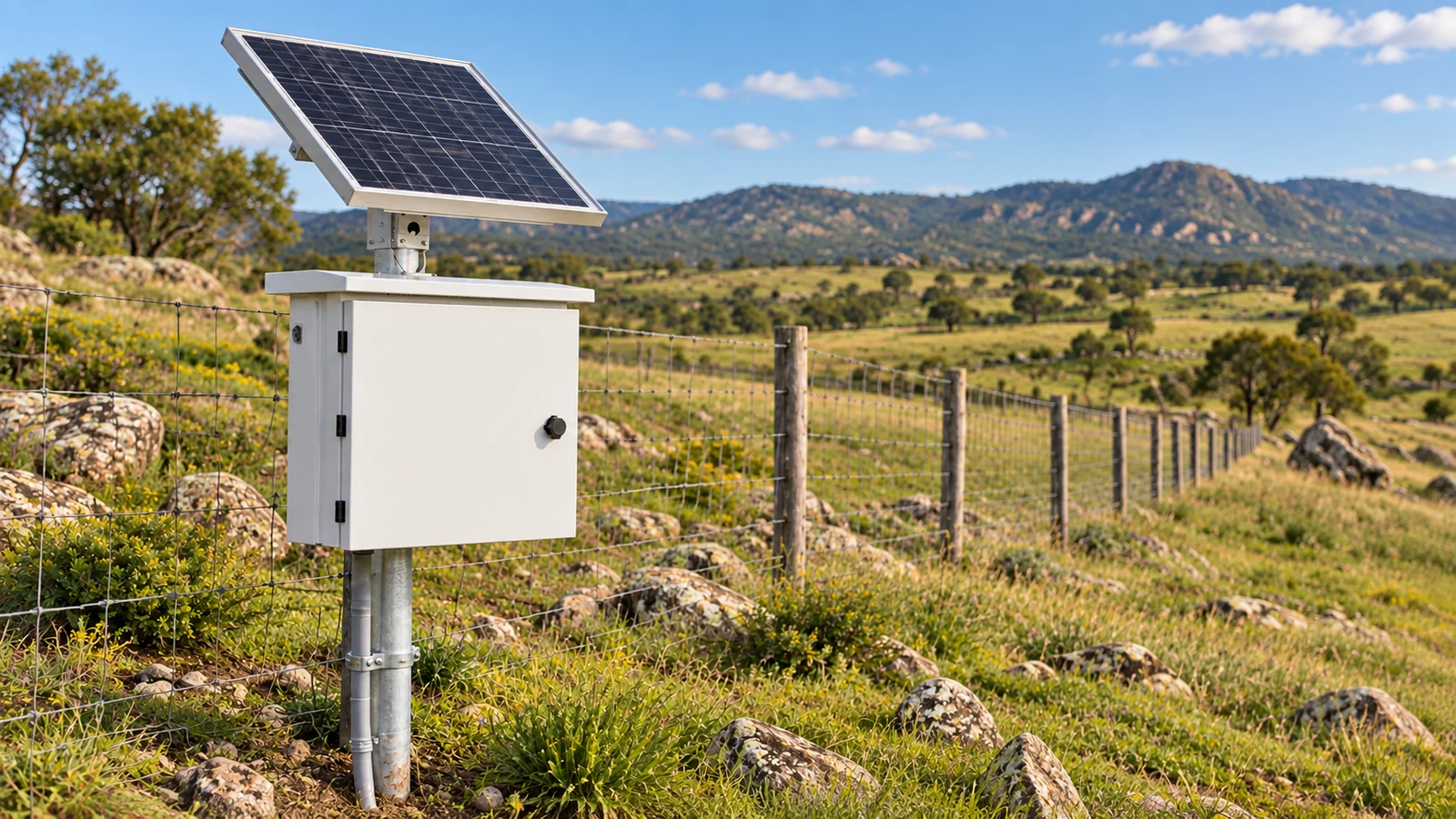
A remote installation can have a clear job to do and still face a difficult question: how will it stay powered? Before choosing a panel or battery, someone needs to understand what the equipment must achieve, where it will operate and what happens when its usual power source is unavailable. That is the starting point behind the Solar Caddy 100 and Solar Caddy 200.
Start with the site, not the catalogue
Developed by our partner GSS Group for off-grid and backup power applications, the Solar Caddy range reflects an application-led approach to engineering. The first question is not which standard product can be fitted into a project. It is what the customer needs the system to do.
That distinction matters. A remote monitoring point and a backup installation may both need stored energy, but their operating requirements are not necessarily the same. Understanding the equipment, its energy demand and the intended operating environment gives the design a meaningful starting point.
A panel and a battery are only part of the answer
Solar generation, battery capacity, system protection and configuration need to be considered together. Choosing one component in isolation does not explain how the complete installation will serve its purpose. The useful question is how those choices work together for the application.
For the Solar Caddy 100 and 200, GSS places that engineering work at the centre of product development. Rather than expecting the customer to reshape a requirement around an off-the-shelf offering, the aim is to develop and configure an appropriate solution. Where a conventional option does not fit, technical evaluation becomes especially important.
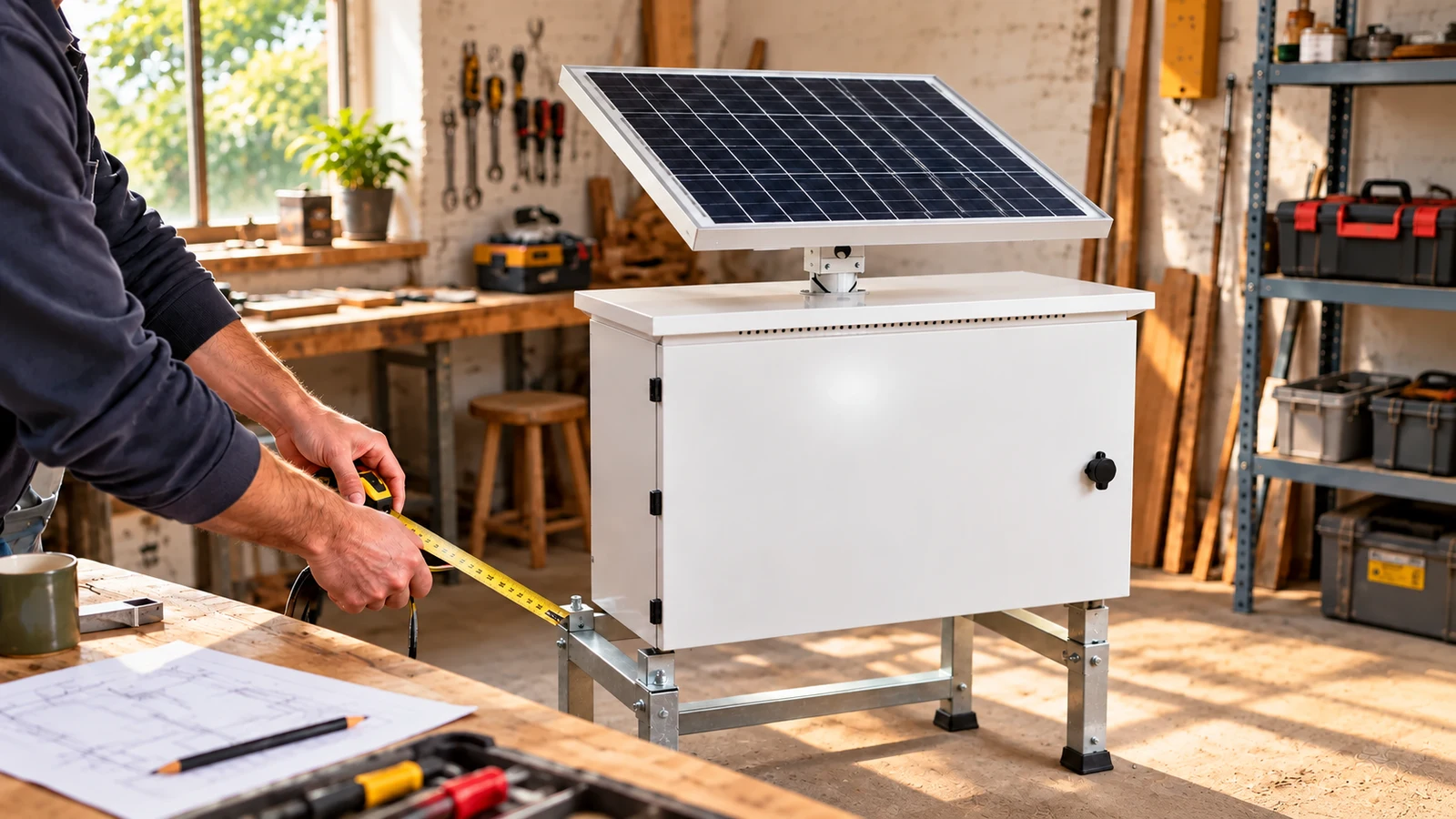
Engineering continues beyond delivery
There is another part of GSS's engineering philosophy that deserves attention: responsibility for a product does not stop when it leaves the facility. GSS describes technical expertise, product development experience and an understanding of the application as part of the support behind the Solar Caddy range.
For a customer, that makes the conversation about more than the enclosure itself. It is also about the reasoning behind the configuration and the technical knowledge available to support it. The scope of that support belongs in the project discussion, alongside the system requirements.
The power foundation for a connected site
At Nvirosense, this application-first thinking is relevant wherever monitoring needs to reach beyond dependable fixed services. Power is a foundation for the wider solution, not a substitute for planning the sensing, communications and operational requirements around it.
The Nvirosense Smart Solar Caddy brings that wider deployment into focus, combining solar-backed power with compatible cameras, edge computing and connectivity. Choosing the power configuration remains a site-specific exercise; the Solar Caddy model name alone should not be read as a promise of runtime or suitability for every load.
The story behind the Solar Caddy 100 and 200 is therefore less about adding another product to a catalogue and more about asking better questions before an installation takes shape. It is an engineering-led approach: understanding a genuine requirement, developing a solution around it and standing behind the result.