

August 30, 2023
Smart Pest Solutions in Agriculture
Field sensors, weather context and targeted application records help growers identify pest risk earlier and reduce unnecessary chemical use.
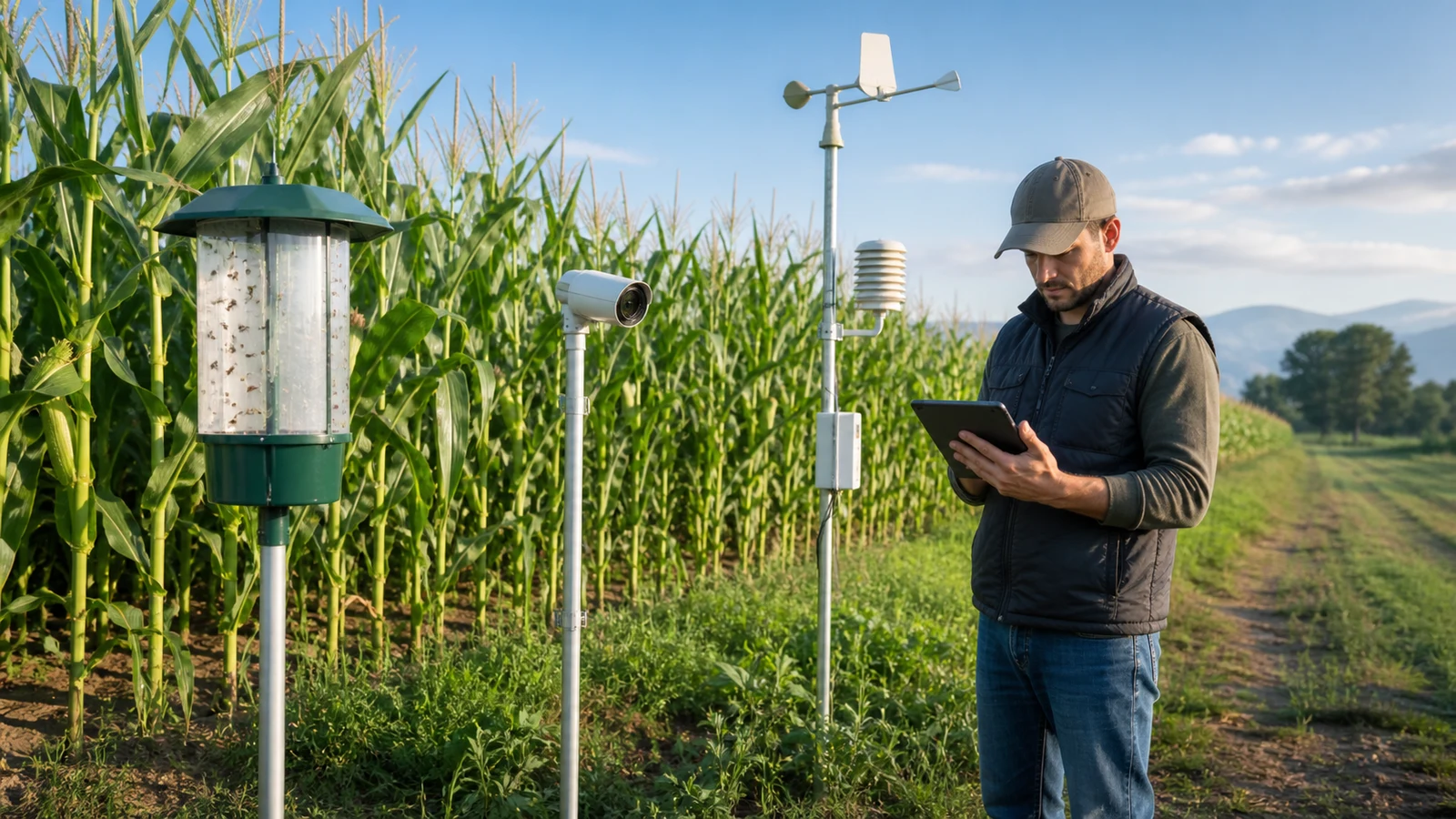
Pest management is most effective when action is based on what is happening in a particular field, not only on a calendar. Connected cameras, traps, weather stations and crop observations can build that local picture, helping growers protect production while limiting avoidable cost and environmental pressure.
Move beyond blanket treatment
Conventional pesticide programmes can protect crops, but repeated or excessive application carries consequences. It may increase input costs, contaminate soil or water, affect beneficial organisms and contribute to resistance in target pests. A more sustainable programme needs evidence about where pressure exists, how it is changing and whether an intervention worked.
Smart monitoring does not eliminate the need for crop protection products. It supports more selective use by identifying areas that require inspection and preserving the observations behind a treatment decision. Agronomic advice, label directions and legal requirements still govern what may be applied.
Detect pests at the appropriate scale
Low-power cameras, connected traps and local sensors can extend scouting across large or difficult fields. Images or counts may indicate the presence and distribution of an infestation, while specialist thermal, fluorescence or crop-imaging tools can add information about plant stress and pest lifecycle. The cost and resolution of each method should match the crop and the decision.
Technology should complement field scouting rather than create false certainty. A suspect image or unusual sensor pattern is a prompt to inspect, identify the pest correctly and record the finding. Nvirosense™ can retain those observations with block and time context so that teams see how pressure develops.
Put weather inside the pest model
Temperature, rainfall, humidity, wind and leaf wetness influence pest emergence, movement and disease pressure. A local weather station turns these variables into a field-specific history that can support Integrated Pest Management planning instead of relying on conditions measured far from the farm.
Analytics can combine weather trends, trap counts, crop stage and previous interventions to highlight periods or blocks for closer attention. The result is decision support, not a universal prescription: thresholds must be chosen for the pest, crop, region and farm programme.
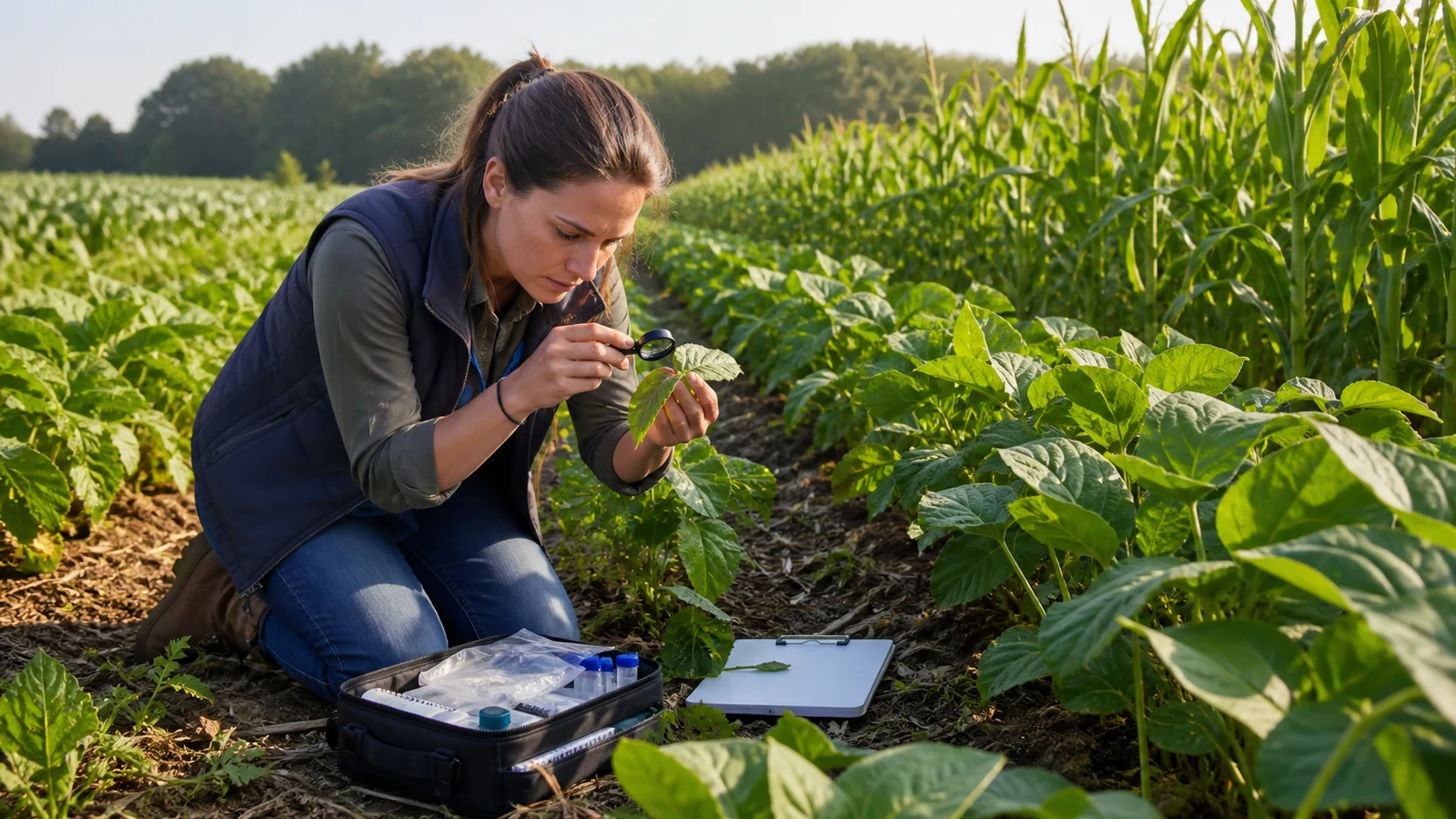
Apply inputs where evidence shows a need
Georeferenced scouting and sensor data can inform application maps for variable-rate equipment, automated sprayers or drones. A confirmed hotspot may receive a focused treatment while unaffected areas are left alone, reducing chemical volume and limiting exposure beyond the target zone.
Application records should show where, when and why work took place, as well as the product, operator and relevant conditions. This traceability helps managers review effectiveness, investigate drift or runoff concerns and explain the basis for subsequent decisions.
Measure whether the strategy is improving
A monitoring programme becomes useful over seasons when it can compare pest pressure, treatment frequency, input use, crop damage and yield context. Those trends may show that a rotation, habitat intervention or targeted application changed the outcome, or that the farm needs a different response.
Nvirosense™ connects field evidence, alerts and intervention history into a shared operational view. That helps agronomists and farm teams refine an Integrated Pest Management programme while keeping biological identification and chemical decisions with appropriately qualified people.
Smarter pest control is not simply more automation. It is a disciplined cycle of sensing, verification, proportionate action and review that protects crops while reducing unnecessary pressure on water, soil, beneficial species and the farm budget.