
October 12, 2023
Smart Monitoring in Aquaponics and Hydroponics
Connected monitoring helps soil-less growers balance water chemistry, plant conditions, fish health, equipment and energy in one operating record.
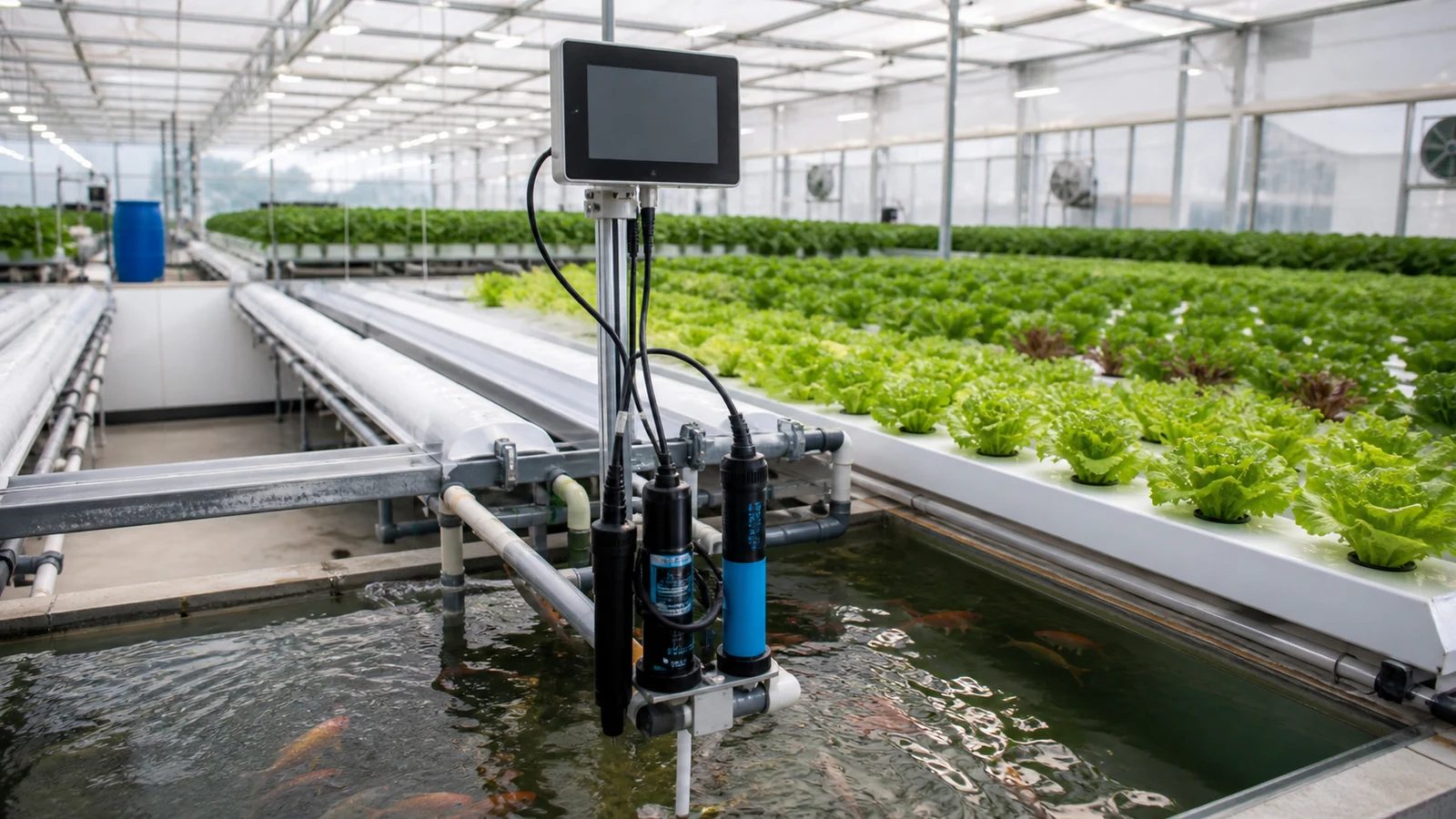
Aquaponics and hydroponics can produce food with efficient water use and a compact footprint, but their advantages depend on a well-balanced system. Soil normally buffers some changes; a recirculating water loop can transmit them quickly. Sensors, equipment status and consistent operating records give growers earlier visibility of developing problems and a practical basis for adjusting water, nutrients, feeding and energy use.
Two systems, different biological balances
Hydroponics supplies plant roots with a managed nutrient solution, allowing close control of water and mineral availability. Aquaponics connects plant production to fish culture and microbial conversion, so fish, bacteria and crops share one water system. Both can support urban, indoor and vertical production, but the monitoring plan must reflect their different inputs and failure modes.
Water efficiency does not mean the system runs without losses or oversight. Evapotranspiration, cleaning, leaks and water-quality corrections still matter, and compact production can concentrate the consequence of a pump or dosing failure.
Watch water chemistry and living conditions
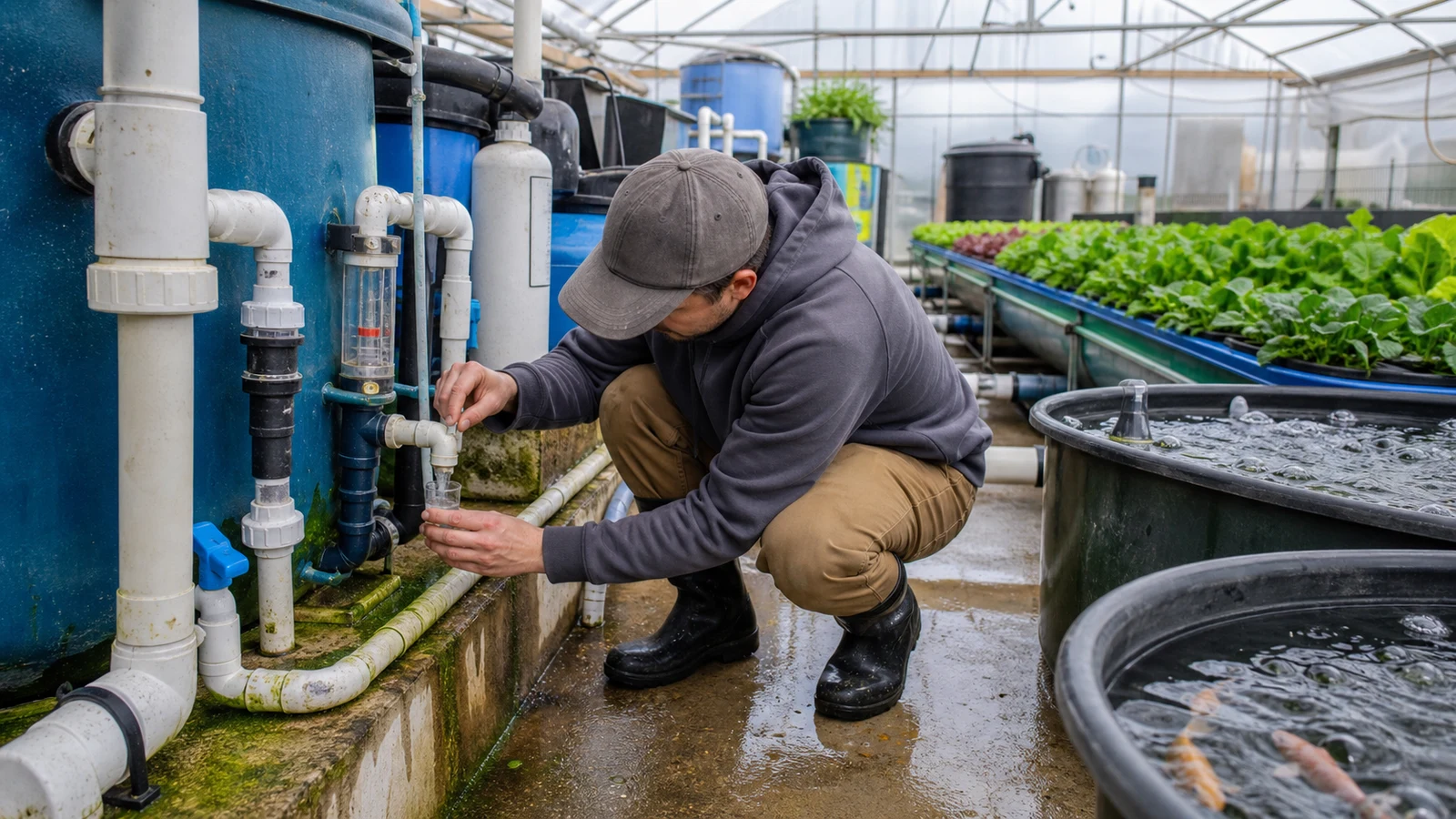
Temperature, pH, electrical conductivity or nutrient concentration, dissolved oxygen and water level are common monitoring points. Aquaponic systems may also track ammonia and related nitrogen indicators because toxic accumulation can harm fish before plants show an obvious problem. Feed events and stocking context help explain changes in the biological load.
Sensor readings require maintenance and checking. Fouling, drift and poor placement can mislead a control rule, so calibration and cleaning records should sit beside the telemetry. Nvirosense™ preserves these device and service details for traceable review.
Connect pumps, lights and energy
Flow, circulation, aeration and lighting keep the production environment viable. Equipment status can show whether an unfavourable reading follows a stopped pump, blocked line or missed lighting cycle. Power measurement adds the cost and resilience dimension, helping growers understand which operating choices improve production without unnecessary energy use.
Automation can switch equipment or regulate flow within defined safeguards. Manual overrides, alarms and fallback modes remain essential because a control action based on a faulty sensor can amplify a problem.
Use analytics to focus intervention
Live dashboards let a grower see multiple tanks, beds or rooms without constant manual rounds. Alerts can identify a sustained pH shift, falling water level or loss of circulation. Historical analytics reveal daily cycles and relationships between feeding, environmental conditions, crop stage and energy demand.
Forecasting may help prioritise maintenance or estimate resource needs, but it should show its evidence and limits. Nvirosense™ decision support brings the relevant trend, equipment event and operating note together so the grower can choose and document the response.
The most capable soil-less farms are not simply automated; they are observable and explainable. Connected measurements and equipment records help growers protect fish and plants, use water and energy deliberately, and learn from each production cycle.