
June 14, 2023
Smart Devices and Systems for Better Water Management
Connected level, leak, irrigation and water-quality records give households, farms and facilities better evidence for conserving water and responding to exceptions.
Water is managed through thousands of small decisions: when to refill a tank, whether a pipe is leaking, how long to irrigate and whether a source remains suitable for its intended use. Smart devices make those decisions more visible by turning changing conditions into time-stamped records rather than occasional observations.
Start with a water balance teams can see
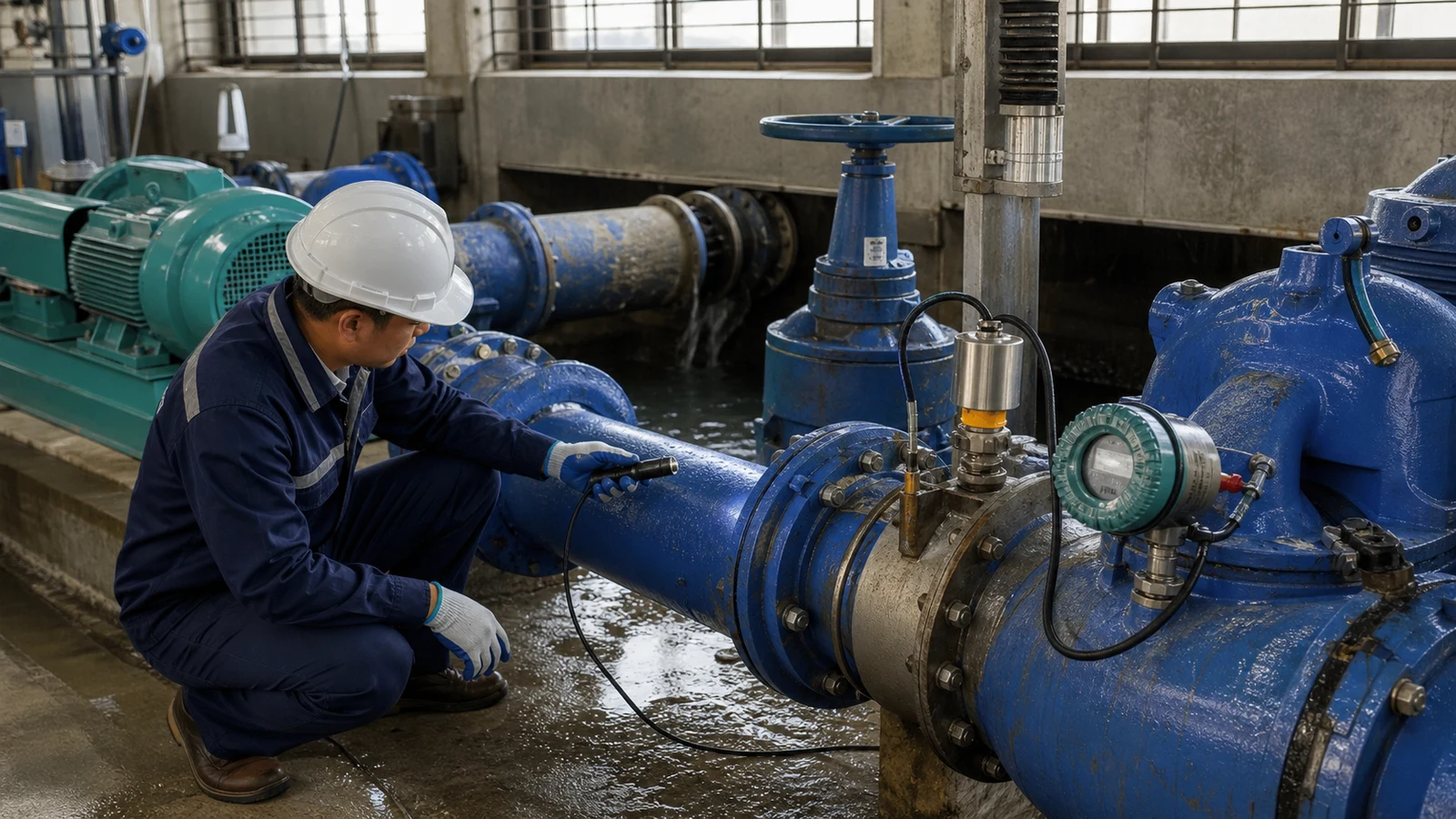
A level sensor in a reservoir, borehole header tank or process vessel shows far more than the current percentage full. When the readings are retained over time, a team can compare daily drawdown, recharge and transfer cycles. Unexpected loss between otherwise similar periods becomes an investigation prompt, while genuine demand peaks can inform storage and pumping plans.
The measurement still needs context. Tank geometry, sensor position, pump events and known deliveries should sit beside the level trace so that volume estimates are interpreted correctly. Nvirosense™ brings these signals into a shared operational view, allowing staff to compare sites without relying on handwritten readings or photographs of gauges.
Find leaks before the bill tells the story
Leaks in pipes, geyser trays, plant rooms and irrigation networks can continue unnoticed when inspections are infrequent. Local moisture or leak sensors provide an early indication, while flow and level trends can reveal slower losses that never reach a detector. An alert should identify the location, time and condition that triggered it, then preserve acknowledgement and follow-up notes.
This matters in South Africa, where constrained supplies and high levels of non-revenue water make avoidable losses costly to households, businesses and municipalities. Monitoring cannot repair ageing infrastructure or prevent theft, but it can shorten detection time and give maintenance teams evidence for prioritising the right section of a network.
Irrigate according to field demand
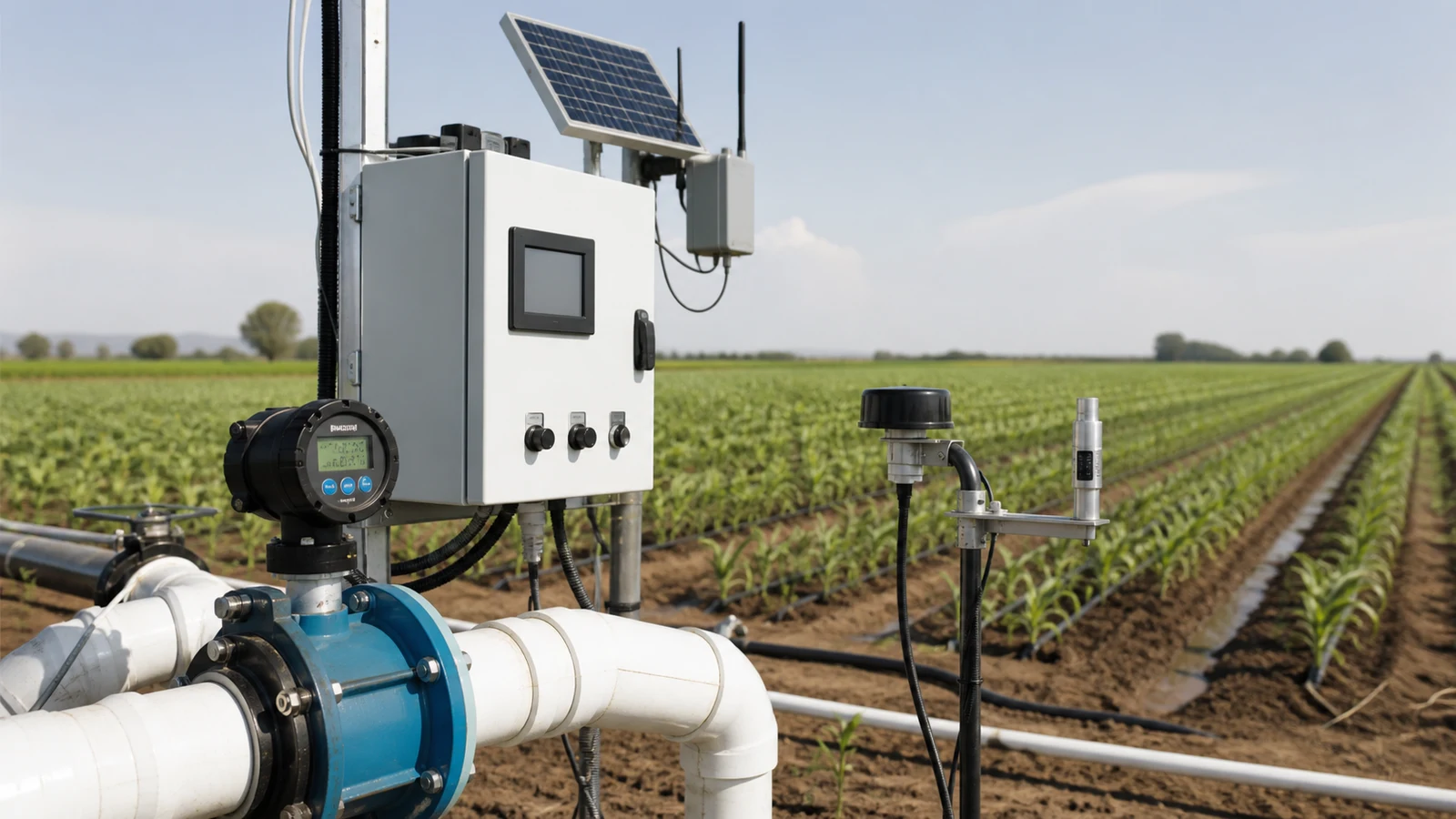
Fixed irrigation schedules treat every day and every block as though conditions were identical. Soil-moisture probes, rainfall, local weather and flow records make it possible to review what the root zone received and how quickly it dried. A farm can then delay a cycle after meaningful rain, investigate a valve that delivered too little water or focus labour on a block approaching stress.
Automation should remain bounded by crop stage, soil type, system capacity and the grower's operating rules. Sensor evidence supports the schedule; it does not remove the need to inspect crops or maintain pumps and emitters. The most useful outcome is defensible water allocation with fewer unnecessary applications.
Treat water quality as a changing condition
Water quality is not represented by one universal number. Depending on the application, teams may need pH, electrical conductivity, dissolved oxygen, temperature, turbidity or other laboratory and field results. Continuous instruments can highlight drift and sudden changes, while handheld or laboratory tests provide confirmation where the decision requires it.
Nvirosense™ can retain these observations with location, time and equipment context so that an operator sees the trend rather than a detached reading. Thresholds must be selected for the intended use and relevant guidance; a sensor alert is a prompt for investigation, not by itself a declaration that water is safe or unsafe.
Build one accountable operating record
Level, leak, irrigation and quality measurements become more valuable when they share a timeline with pump status, maintenance and weather. That record allows managers to test whether an intervention worked, compare consumption before and after a repair and explain why a watering decision was made.
Connected monitoring therefore supports both conservation and practical service delivery. It helps people direct attention to abnormal conditions, quantify improvement and preserve a traceable history for budgeting, environmental reporting and operational review.
Better water management does not begin with collecting every possible measurement. It begins with identifying the decisions that waste, availability or quality can change, placing reliable instruments around those decisions and turning the resulting evidence into timely, accountable action.