

April 17, 2023
SAHPRA Licensing for Medical Cannabis Production
Environmental monitoring and traceable records support a medical-cannabis quality system, but licensing depends on current SAHPRA requirements and responsible professional oversight.
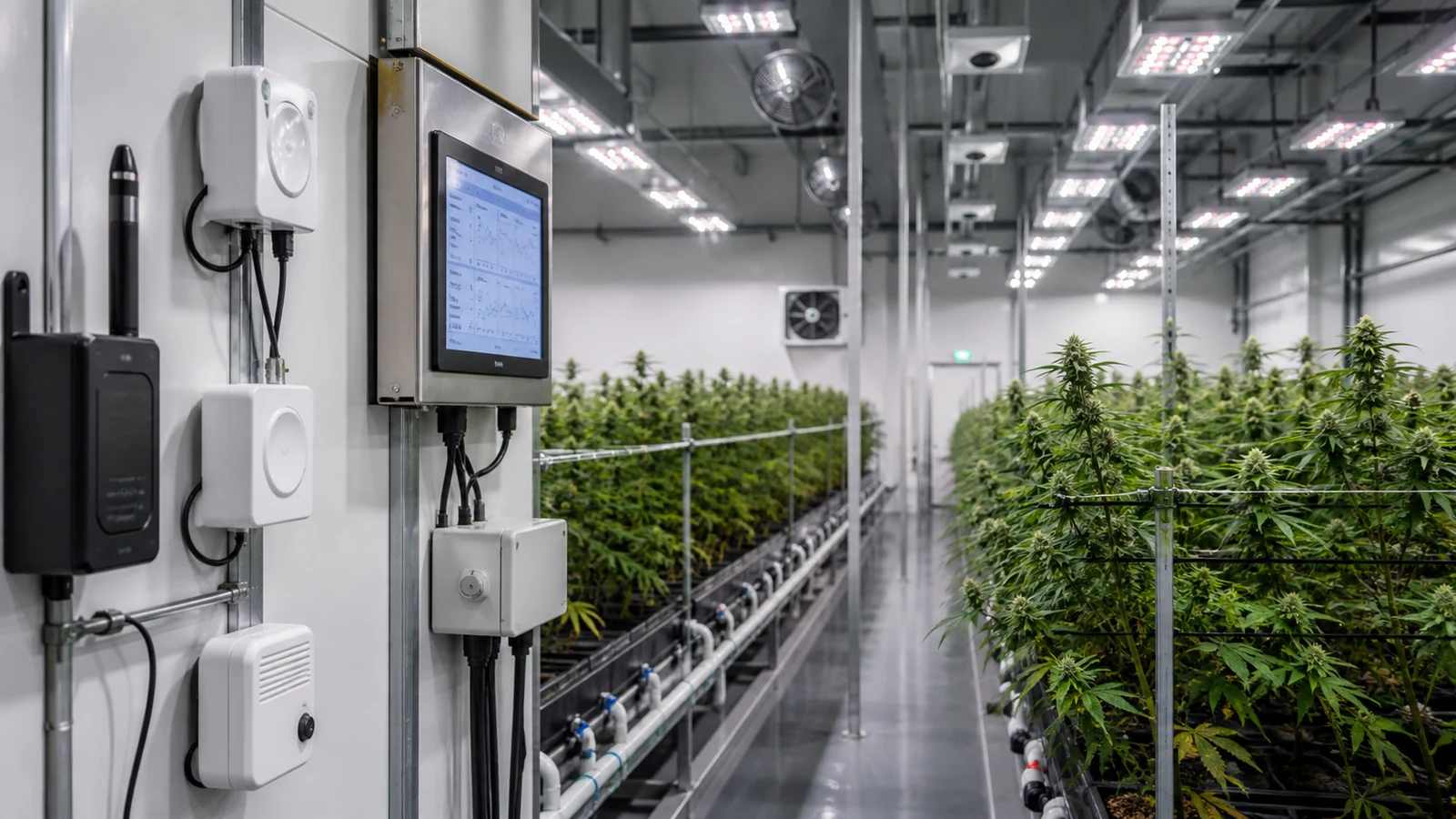
A medical-cannabis facility is not licensed by installing sensors. Licensing depends on the legal activity, facility design, documented quality system, responsible personnel and evidence that cultivation, processing, storage and distribution can be controlled for the intended medicinal use.
Plan the regulated pathway before construction
Prospective operators should establish which cultivation, manufacture, import, export, possession or supply activities are proposed and obtain current guidance from SAHPRA and the relevant health authorities. Depending on the activity, applications, permits and supporting documents may be required before operations begin.
Early planning matters because the site plan, flows, security, utilities, controlled areas and site master information can affect later inspection. Requirements and legislation can change, so historical checklists or another operator's approval should never replace direct regulatory and professional advice.
Control the plant environment through each stage
Temperature, humidity, carbon dioxide, light, soil or substrate moisture and other conditions influence cultivation. Drying, curing and storage introduce different risks, including excessive moisture and conditions that may support mould. Monitoring locations and ranges should follow the process, crop stage and approved procedures.
Nvirosense™ provides live and historical views of selected parameters, with alerts that can prompt staff to inspect a room or piece of equipment. The record supports investigation, but plant health, contamination and product quality may require physical examination, sampling and laboratory analysis.
Carry traceability beyond the grow room
Environmental history should remain connected to the relevant room, device, crop or batch as material moves through harvest, processing and storage. If product is transported under specified conditions, a data logger and handover record can help reconstruct that stage as well.
This chain of context makes it easier to assess which material may have been exposed during an event. It also avoids treating a facility-wide alarm as proof that every batch experienced the same conditions.
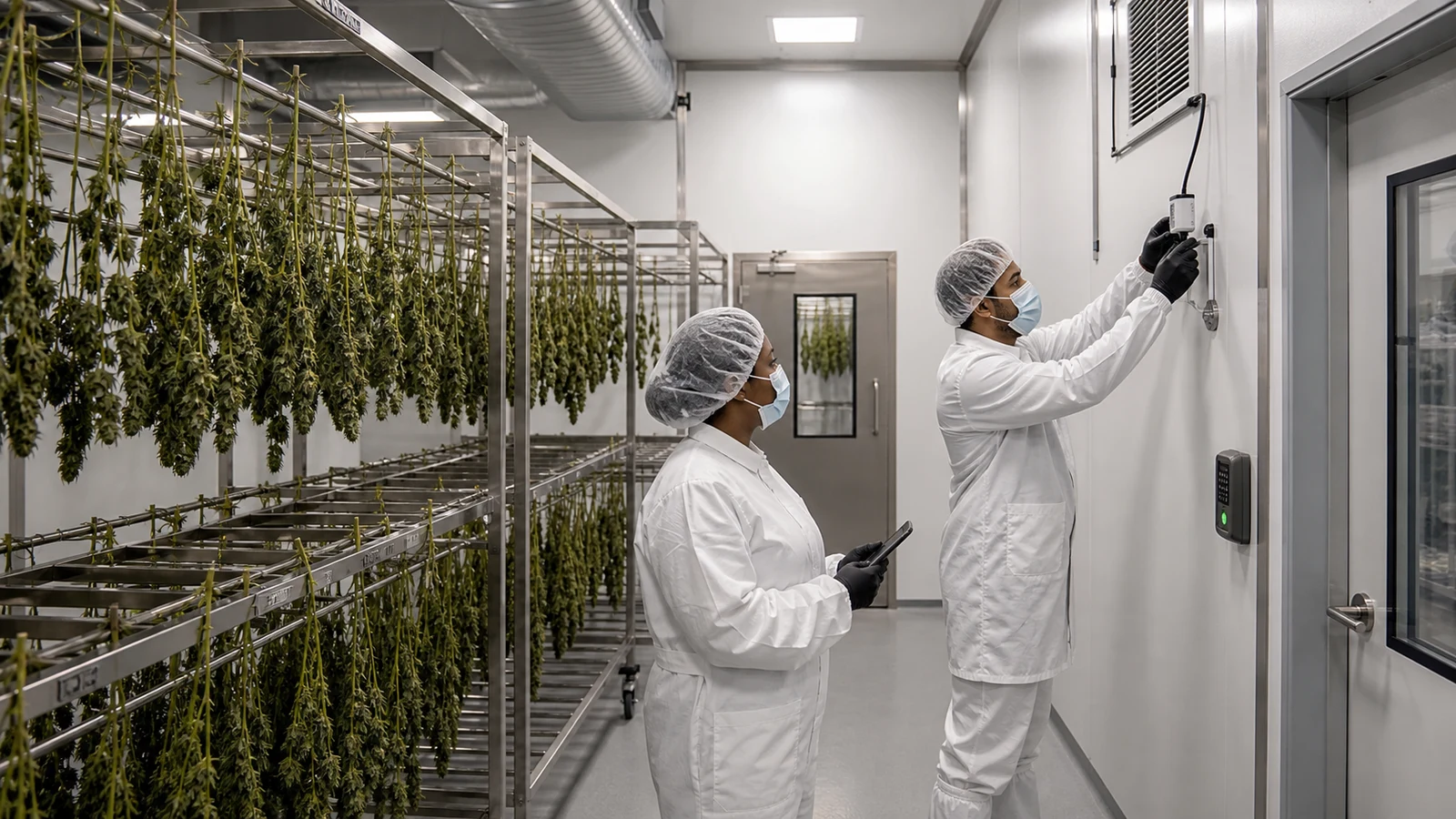
Make records attributable and reviewable
A licence holder needs controlled records of activities conducted under the authorised operation. For environmental monitoring, that means more than retaining a graph: device identity, time, user actions, alarm acknowledgement, calibration status, changes and investigation notes should be available to the appropriate reviewers.
Access controls, backup arrangements and audit trails can support data integrity when they are configured and governed correctly. The customer remains responsible for validation, record-retention rules, procedural approval and demonstrating that the system is fit for its intended regulated use.
Treat monitoring as one part of readiness
Connected devices can reduce blind spots and manual transcription, but they do not provide a licence or certify compliance. Successful readiness also depends on governance, training, hygiene, security, supplier control, calibration, deviation management and the other controls applicable to the operation.
Nvirosense™ supports decision-making by organising environmental data and evidence packs. Formal inspection outcomes, licensing decisions, QMS sign-off and product disposition remain with SAHPRA and the customer's authorised professionals.
Medical-cannabis monitoring is most useful when it is designed into the quality system from the start. A clear regulatory pathway, suitable sensing plan and attributable records give responsible teams better evidence for control without overstating what technology can approve.