

September 27, 2023
Safety Measures in Mining Through IoT
Connected environmental, wearable and equipment data can strengthen mining situational awareness when it is tied to tested response procedures.
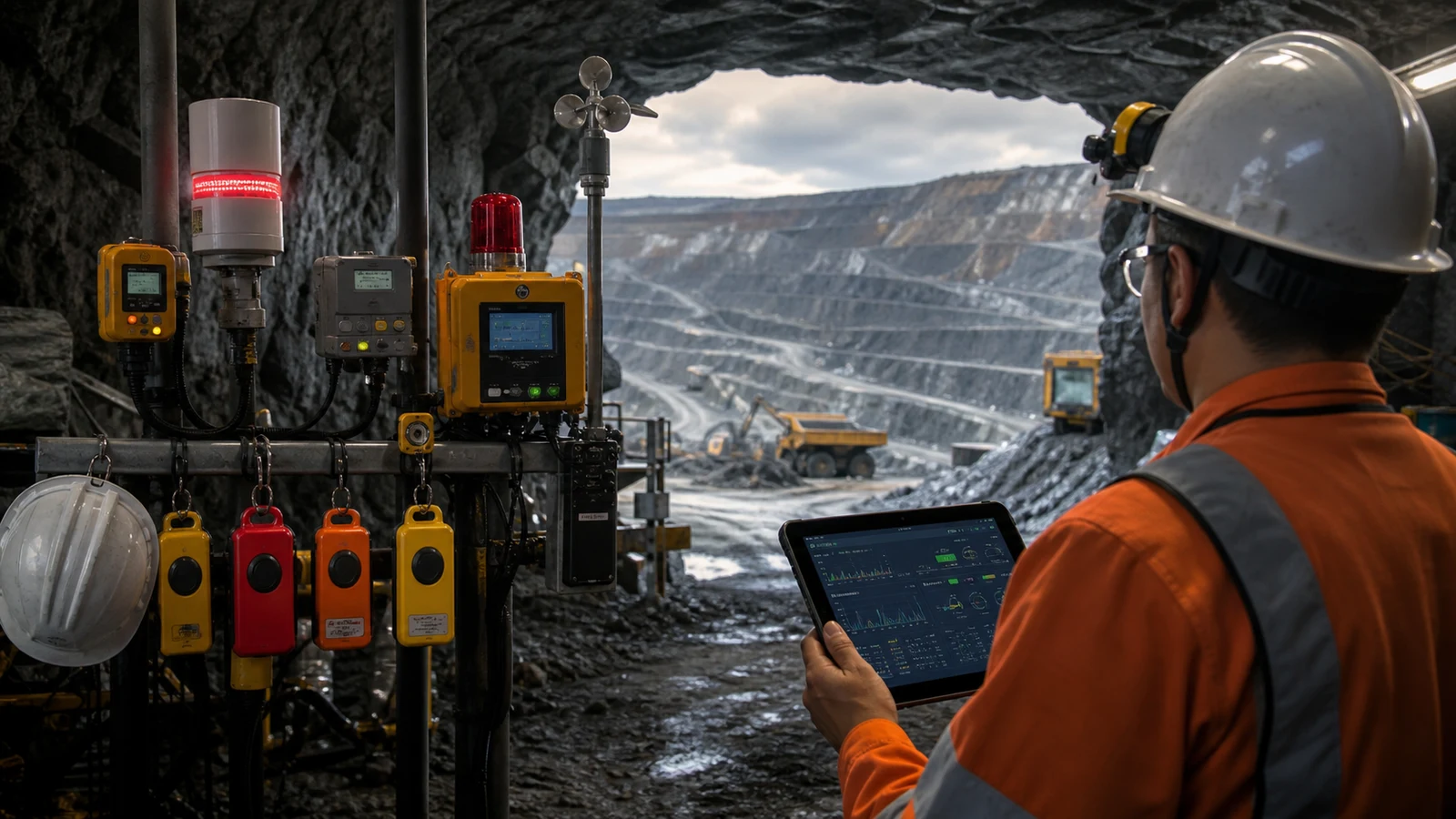
Mining brings people, heavy equipment and changing ground conditions into environments where visibility can be limited and response time matters. Connected sensors can provide earlier indications of hazardous air, ventilation loss, equipment deterioration or unusual ground movement. Their role is to strengthen situational awareness and direct attention; mine design, statutory controls, competent supervision and emergency procedures remain fundamental.
See worker and environmental conditions
Wearable devices can share location, panic events or selected exposure information, while fixed instruments monitor gases, temperature and other environmental factors. The combined view helps a control room identify who may be affected and where a response team should focus. Privacy, access and retention rules should be defined before deployment.
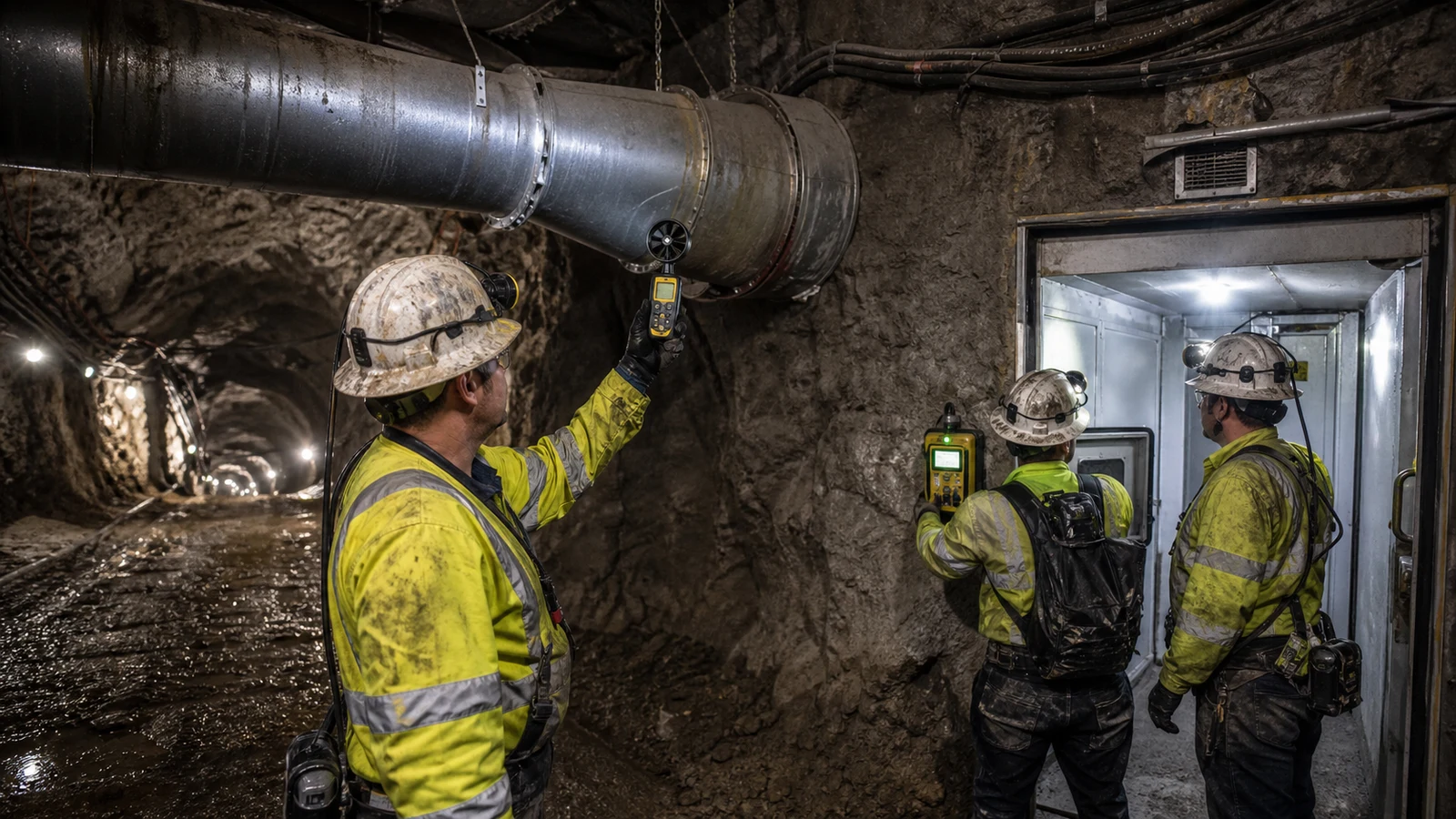
Underground air-quality and ventilation measurements are especially important. Trends and alarms can indicate that airflow or contaminant conditions need investigation, but thresholds and actions must follow the mine's approved safety system.
Detect developing equipment and ground risks
Vibration, temperature, current draw and run-time data can reveal changes in machinery before a breakdown. Ground-movement or seismic instruments can add evidence around known geotechnical risks. Analytics can prioritise anomalies for engineers rather than claiming to predict every failure.
Maintenance notes and inspection results should be connected to the sensor timeline. That traceability shows whether a flagged change was examined, what was found and whether the condition returned.
Keep response resilient
Remote areas and underground workings may not have dependable conventional connectivity. Low-power local networks, buffered device data and redundant alarm paths can help preserve visibility, provided coverage and failover are tested in the actual mine.
Nvirosense™ dashboards bring assets, readings and events into one operational layer. Drills remain essential to confirm that an alert results in a timely, understood action.
Use analytics with accountable oversight
Machine-learning tools can search large datasets for patterns across safety, maintenance and production information. Recommendations should remain explainable and subject to competent review, particularly where false reassurance could expose people to harm.
The same monitoring estate can provide evidence on air, water and operational impacts for environmental management. Reporting supports the mine's processes; it does not certify compliance.
IoT creates value in mining when measurements are dependable, communications are resilient and every alert has an owner. Connected evidence can help teams intervene earlier and learn from events, while experienced people and established safety controls remain responsible for decisions underground and on surface.