

June 24, 2022
IoT Into the Wild with Field Hardware
Rugged, low-power field hardware can extend environmental monitoring across farms and remote sites when deployment realities shape the design.
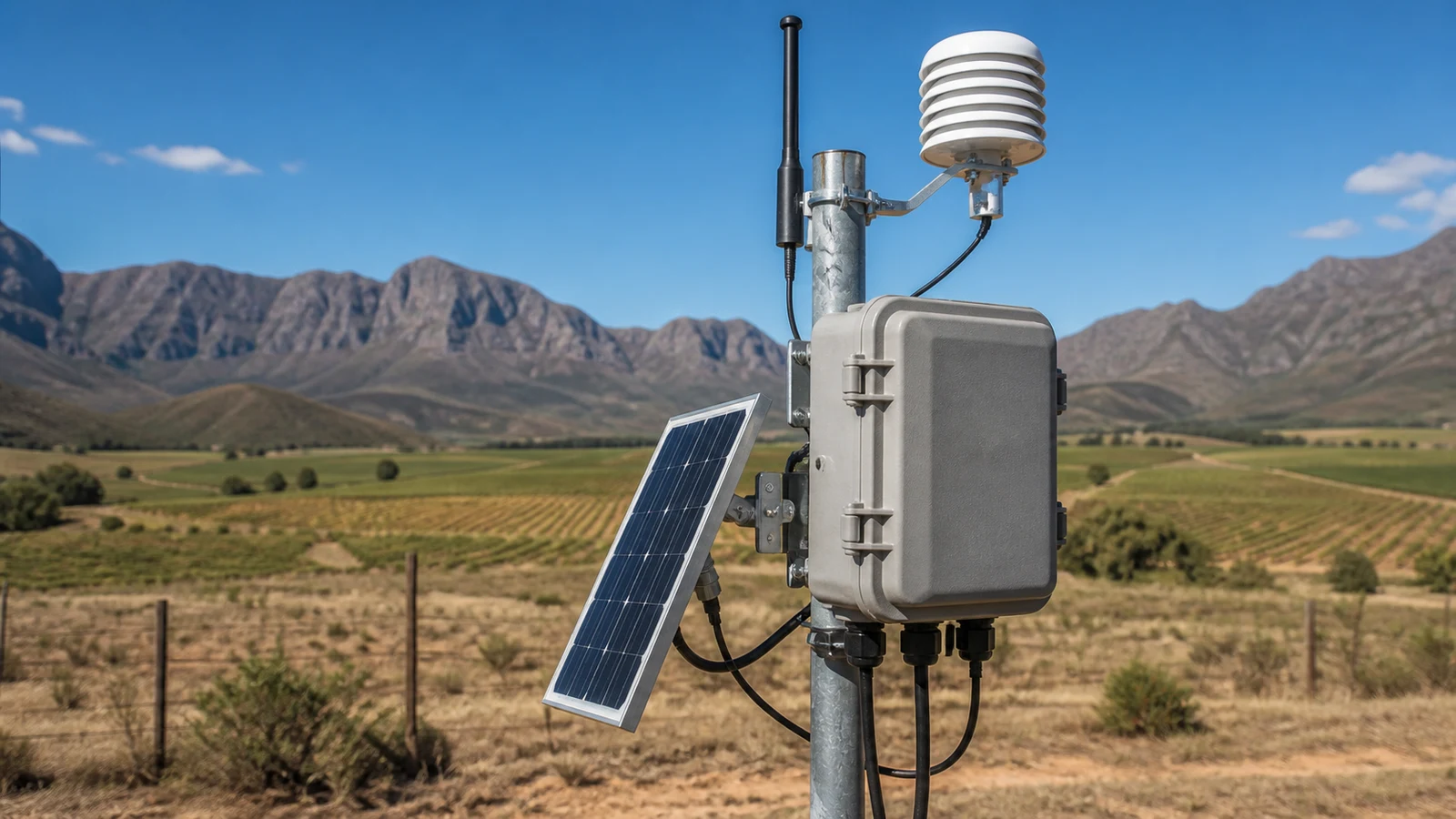
Environmental intelligence often begins far from reliable power, fixed internet and easy maintenance access. Farms and field projects need sensors that can remain outdoors, transmit useful observations and fit existing operations. LoRaWAN hardware can address parts of that challenge, but a credible deployment still depends on siting, coverage, data quality and a clear reason for collecting each measurement.
Design for remote field conditions
Seeed's SenseCAP field range is designed around low-power, outdoor LoRaWAN sensing. Published products include IP-rated enclosures and long expected battery life, with claimed transmission distances that depend heavily on terrain, antenna height, vegetation and gateway placement. Those specifications are useful planning inputs, not substitutes for an on-site radio survey.
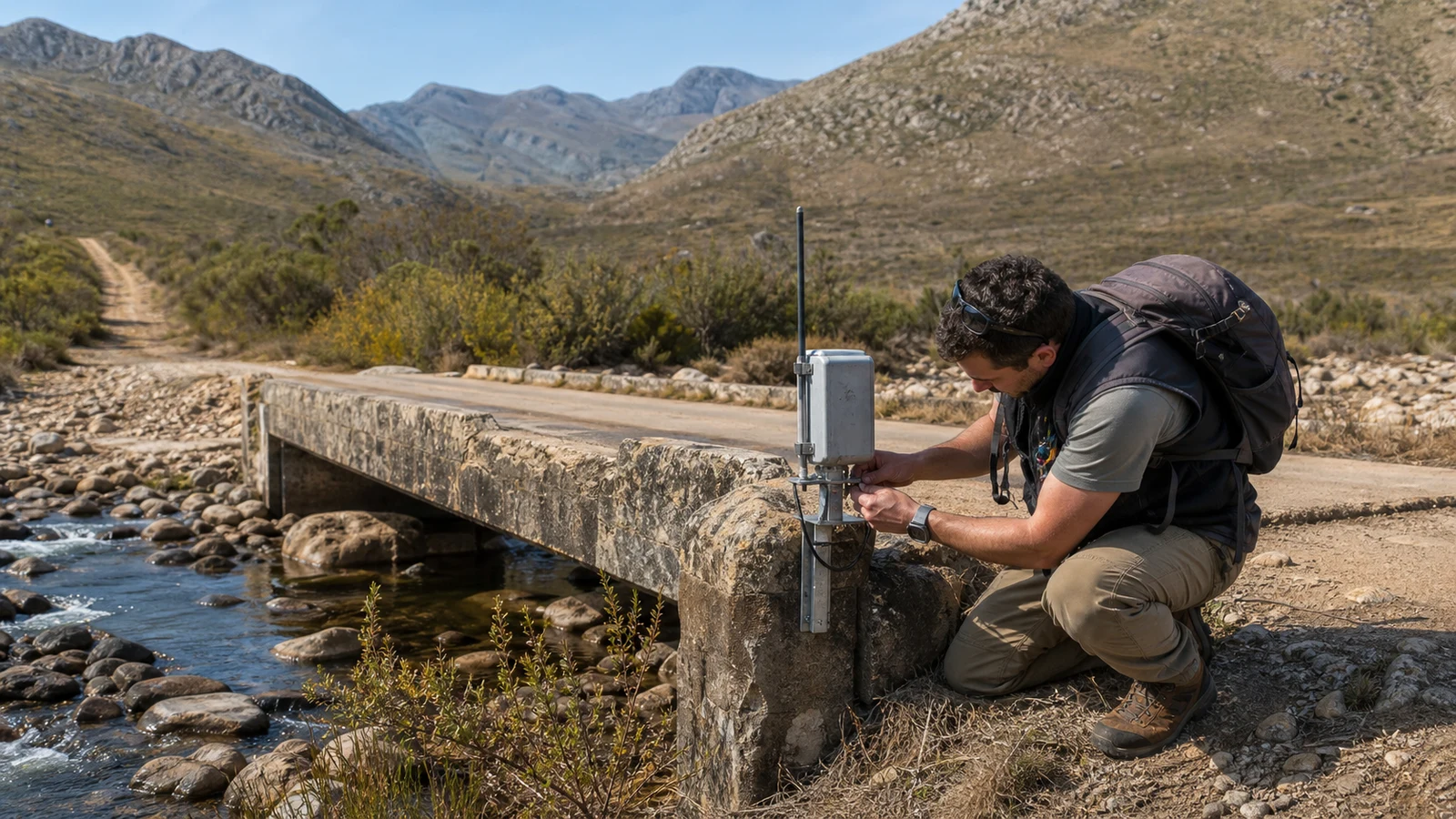
An easy installation is valuable only if it remains maintainable. Device identifiers, mounting details, battery dates and inspection routines should be recorded from commissioning. Farms also need a recovery plan for damaged, moved or silent sensors.
Move data without locking the farm in
LoRaWAN allows small measurements to travel from distributed nodes to a gateway with modest energy use. A private or managed network can then forward data to local systems or the cloud. Open interfaces and documented payloads make it easier to integrate readings with an existing IT environment rather than isolating them in a product-specific view.
Nvirosense™ can consolidate these streams and keep source identity, units and timestamps visible. Connectivity health is part of the evidence: the platform should distinguish a genuine stable value from a device that has stopped reporting.
Use edge intelligence carefully
Some field devices can run compact machine-learning models near the sensor, including applications involving vision or sound. Local inference may reduce the amount of data transmitted and flag events sooner. Its performance depends on the training data, model version, hardware limits and the environmental conditions in which it is deployed.
An inference should therefore retain supporting context and a route for verification. Nvirosense™ analytics can combine device outputs with conventional environmental measurements, but automated classifications should remain decision support until their accuracy and failure modes have been tested for the specific site.
Extend monitoring beyond one use case
Compact weather stations, soil sensors and general-purpose data loggers can support agriculture, conservation, hydrology and infrastructure work. Seeed's integrated carbon-dioxide and weather instruments illustrate the move towards dense, deployable measurement packages. Selection should follow required accuracy, calibration access and environmental range rather than novelty.
A pilot can test radio coverage, battery behaviour, data completeness and whether the readings change a real decision. Once those foundations are sound, the network can expand without losing traceability or creating an unmanageable fleet.
Taking IoT into the wild is an engineering and operational discipline, not just a hardware choice. When rugged SenseCAP devices, planned LoRaWAN coverage and Nvirosense™ evidence workflows are combined, remote measurements can become dependable decision support for farms and environmental teams.