
May 31, 2023
IoT in Modern Aquaculture
Water-quality, level and equipment monitoring helps aquaculture teams protect stock, use resources carefully and make production decisions from local evidence.
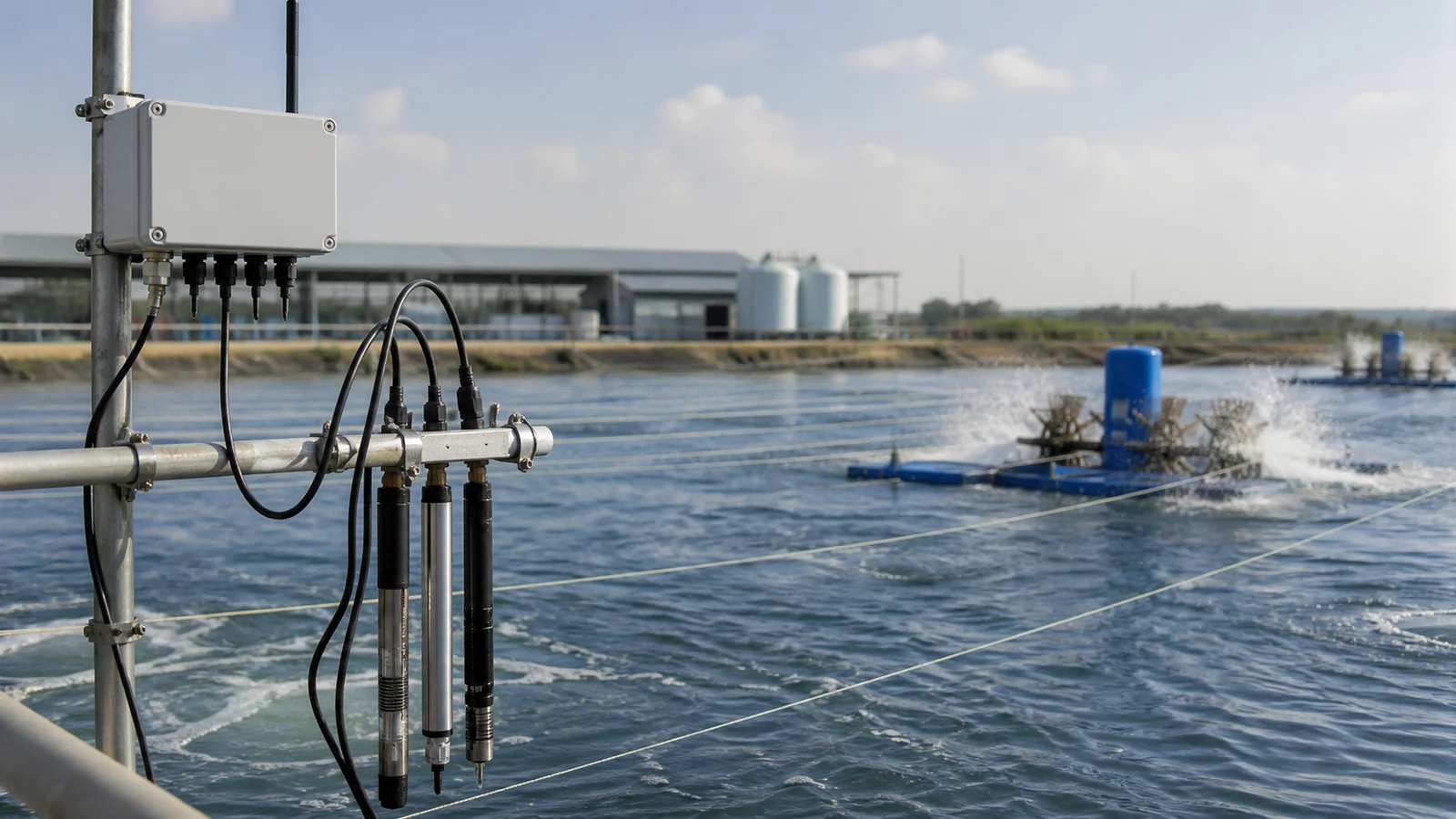
Aquaculture produces fish and other aquatic food in ponds, tanks and cages, reducing some pressure on wild stocks while creating a demanding managed environment. Because the animals live inside the process water, a change in oxygen, temperature or circulation can become an operational problem quickly.
South African operations face connected constraints
Water scarcity, uneven infrastructure and the cost of serving remote sites all influence how aquaculture can expand in South Africa. Producers must also navigate licensing, environmental duties and biosecurity requirements appropriate to their species and location. These constraints make efficient use of water and early visibility of system problems especially important.
Monitoring does not remove those structural or regulatory challenges. It gives operators a stronger account of what is happening at the farm, helping scarce labour and technical support focus on the ponds, tanks or equipment that show evidence of change.
Read the water as a living system
Temperature affects metabolism and oxygen demand, while dissolved oxygen indicates whether aeration and circulation are keeping pace. Electrical conductivity can help track changes in dissolved material, and water-level records reveal evaporation, leakage, abstraction or transfer patterns. Each parameter becomes more informative when reviewed alongside the others.
Limits should be based on the species, life stage and farm plan rather than copied from a generic dashboard. A reading outside the expected range should trigger a defined inspection or response, with laboratory confirmation used where water safety, disease or regulatory decisions require it.
Connect sensors to the equipment response
A low-oxygen alert is actionable when the operator can also see aerator power or pump status. Likewise, a falling level can be investigated against inlet flow, valve activity and recent weather. Nvirosense™ combines environmental telemetry and equipment events so that teams can examine cause and effect on one timeline.
Remote access is useful for rural and distributed sites, but the design should account for power loss and weak communications. Local buffering, sensible alert routing and maintenance checks protect the record when a cloud connection is temporarily unavailable.
Use history to improve feed and water decisions
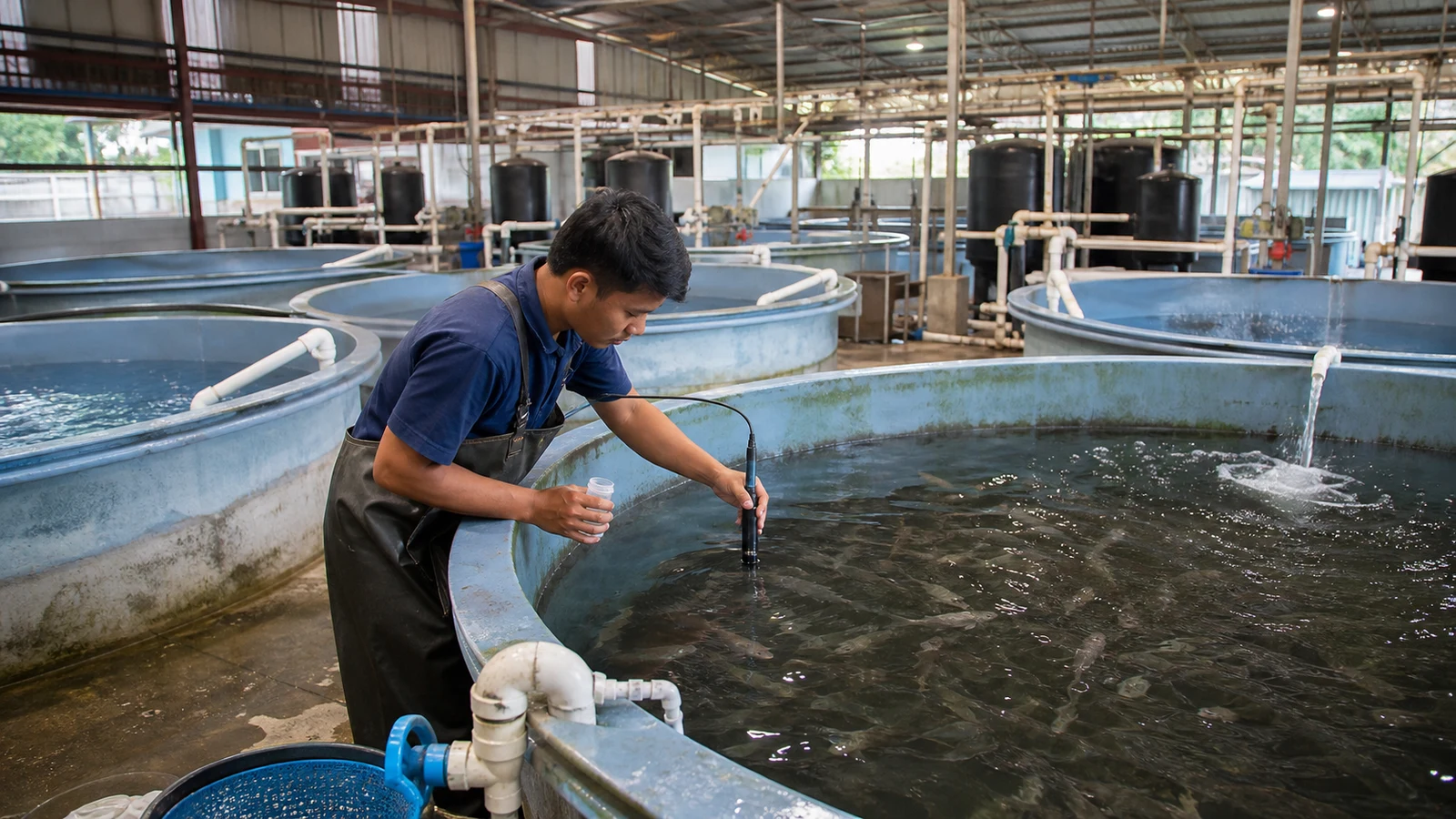
Real-time readings support immediate response; retained trends support better planning. Operators can compare water conditions with feeding, growth, mortality, cleaning and weather to understand which routines produce stable results. That analysis can inform feeding strategies, aeration schedules and water exchange without promising a biological outcome from sensors alone.
Monitoring may also follow harvested product into cold storage and transport, extending traceability beyond the production water. Linking the farm, batch, storage area and route provides a more complete environmental history for quality review.
Keep people and husbandry at the centre
Disease prevention still depends on biosecurity, suitable stocking, veterinary guidance and attentive husbandry. Connected systems complement those practices by revealing deviations earlier and preserving evidence that can be compared across production cycles.
The practical goal is a farm that can explain its water use, equipment performance and environmental conditions. That improves decision support while leaving animal-health and regulatory judgements with the responsible professionals.
Modern aquaculture benefits when sensing is designed around the relationships between water, equipment, stock and people. With traceable local evidence, producers can act earlier, learn from each cycle and manage limited resources with greater confidence.