

November 10, 2023
IoT for Home, Indoor and Community Vegetable Production
Connected garden monitoring can help growers manage water, light, temperature and plant care with practical evidence rather than guesswork.
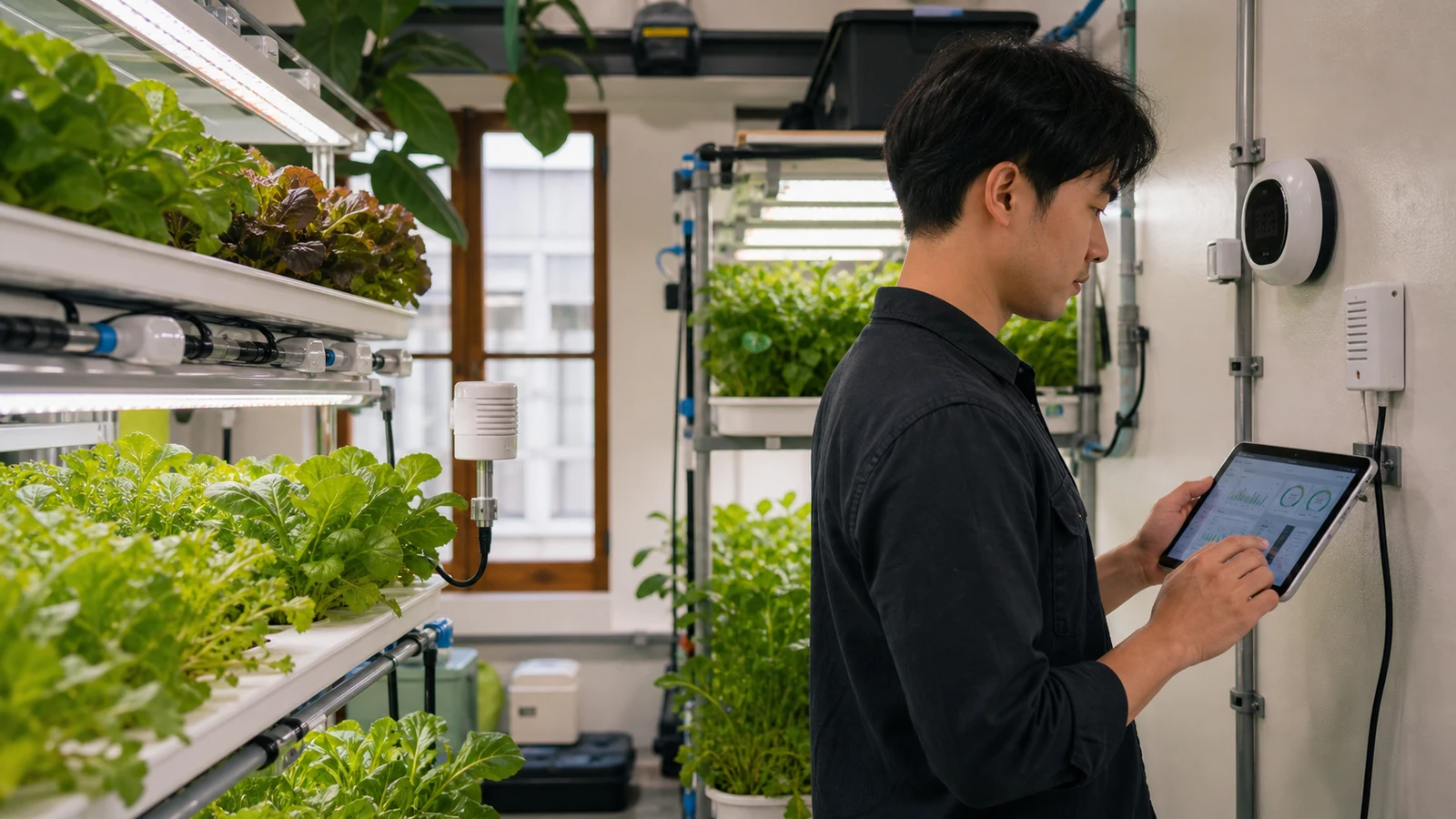
A productive garden depends on simple resources arriving in the right balance: water, suitable temperature, usable light and nutrients. That is true for a household vegetable bed, an indoor growing shelf and a shared community garden. Connected sensors do not replace attentive growing, but they can make changing conditions visible and help busy growers respond before a missed irrigation or hot enclosure damages a crop.
Start with healthy growing conditions
Technology cannot compensate for poor soil or an unsuitable crop plan. Outdoor beds benefit from organic matter and compost suited to the site, while indoor systems need an appropriate medium and nutrient programme. Crop choice, root depth, season and container size determine what should be monitored and how often.
Temperature and light records help explain slow growth or heat stress. Soil- or medium-moisture measurements show how quickly water is used after irrigation, giving the grower a pattern instead of one subjective check at the surface.
Automate the routine with safeguards
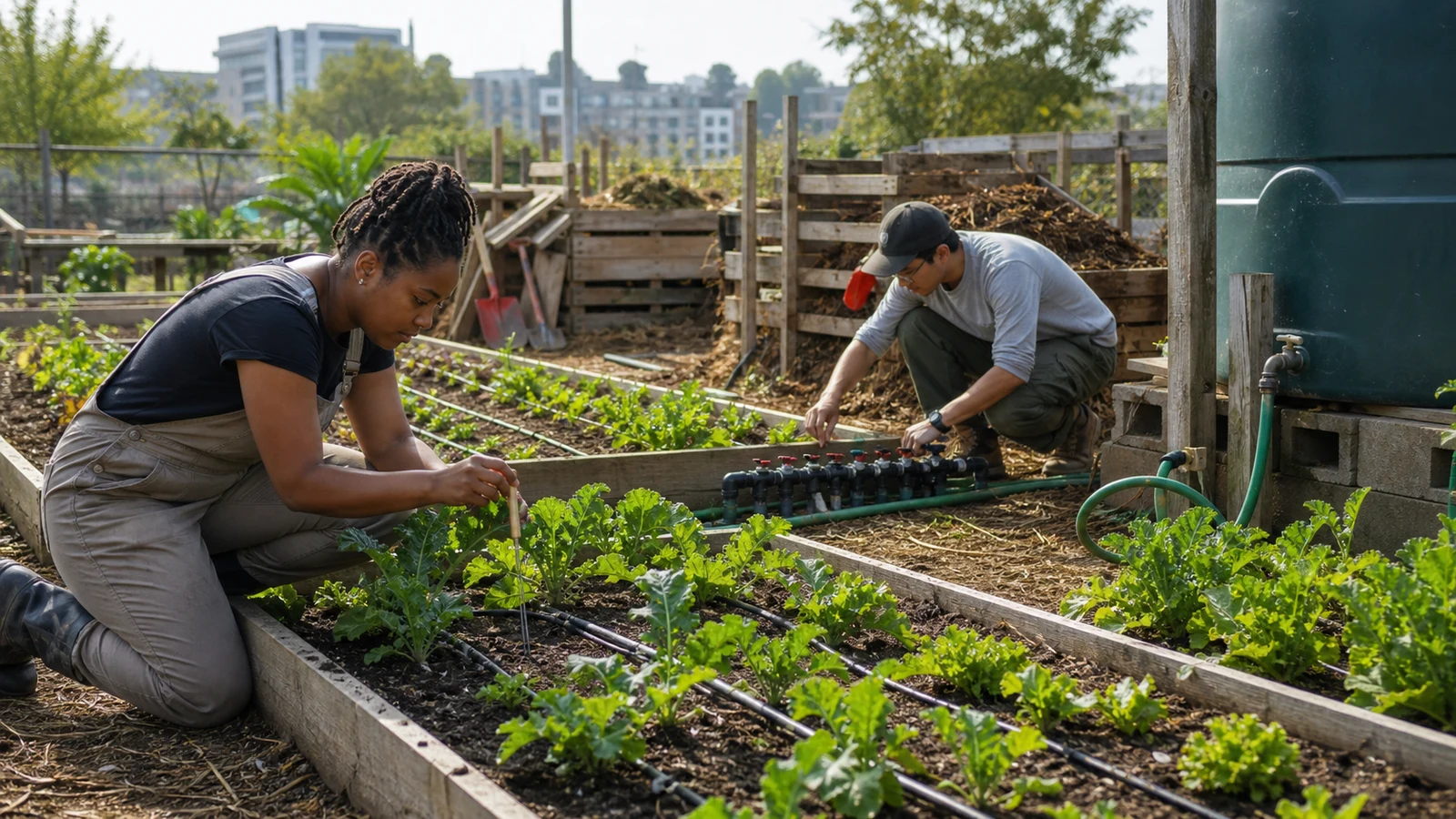
A connected irrigation controller can water according to measured need, time windows and plant requirements. This reduces reliance on memory during work, travel or community handovers. Automation should still include flow limits, tank or supply checks and a manual override so a failed sensor does not lead to uncontrolled watering.
Indoor growers can apply the same principle to lights, fans and pumps. Nvirosense™ dashboards can bring environmental readings and equipment status together, while alerts direct attention to conditions outside a chosen operating range.
Learn from the garden's history
Historical data turns gardening into a repeatable practice. Growers can compare moisture decline on hot and cool days, see how long a bed remains wet after irrigation and relate harvest outcomes to seasonal conditions. In a community project, shared records also make responsibilities and handovers clearer.
Analytics should offer guidance rather than promise perfect growth. A sensor cannot see every pest, nutrient imbalance or root problem, so observation remains essential. Its value is to focus that observation where the evidence suggests attention is needed.
Connected growing is most effective when it keeps the system understandable. A few well-chosen measurements, sensible automation and a traceable record can save water, prevent avoidable losses and help more people learn what their vegetables need.