

September 14, 2023
How IoT Is Reshaping Quality Control in Pharma
Connected process, equipment and distribution evidence helps pharmaceutical quality teams investigate risk earlier while keeping decisions inside the quality system.
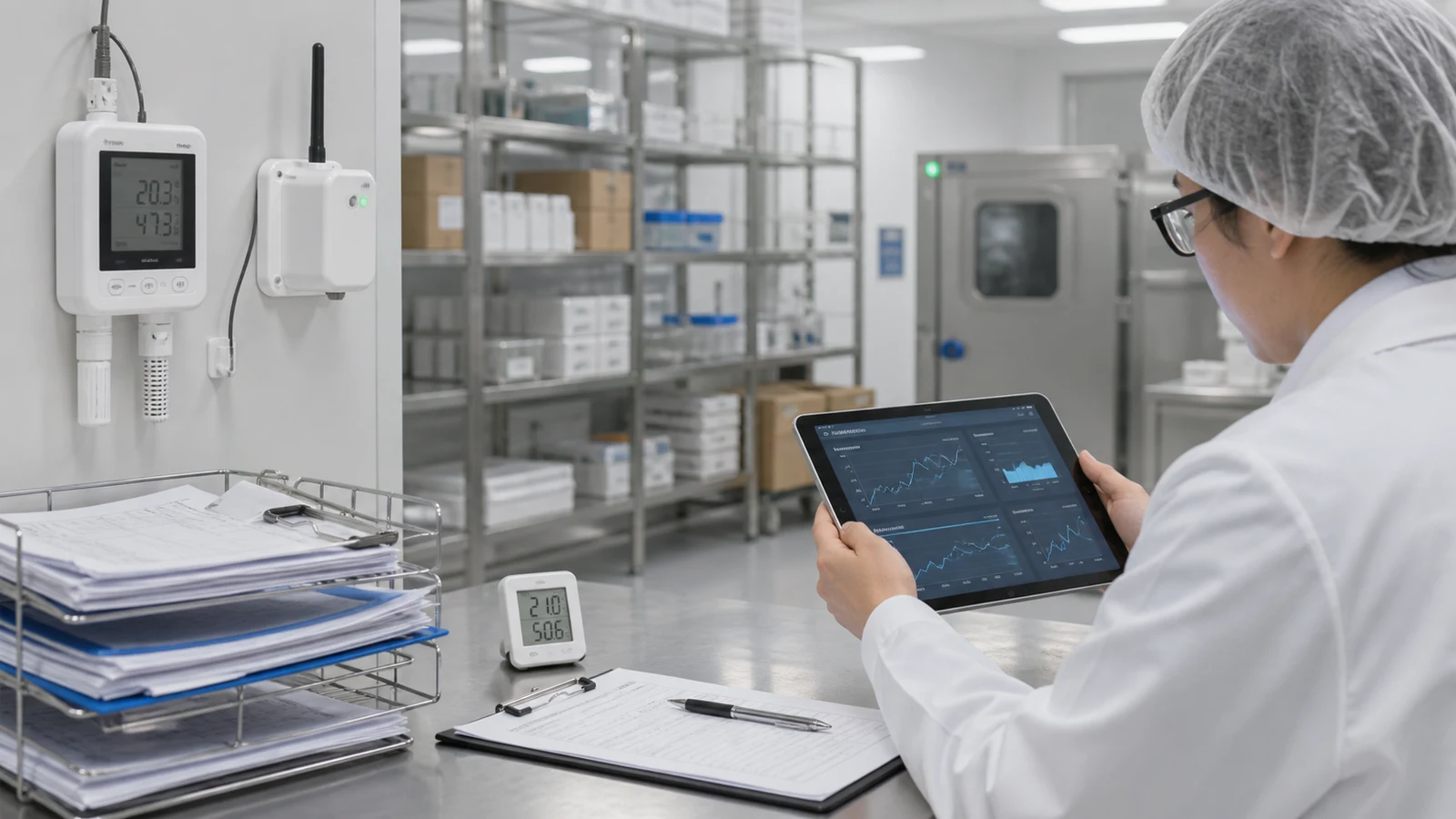
Pharmaceutical quality control extends across the full product lifecycle. Raw-material receipt, manufacturing conditions, analytical testing, equipment health, storage and distribution all create evidence that authorised teams may need to review. Connected monitoring can make that evidence more timely and coherent, but it remains one part of a controlled quality system rather than an automatic guarantee of product quality or regulatory compliance.
Start quality oversight with raw materials
The finished product depends on the identity, condition and traceability of the materials entering production. Supplier records, receipt checks and approved analytical methods establish that foundation. Sensors and automated assays may help teams screen characteristics or flag unusual results, while technologies such as distributed ledgers may add provenance where the organisation has a justified and governed use for them.
Automation should not turn an indicative result into an unreviewed release decision. Methods must be suitable for their intended purpose, instruments maintained and calibrated where required, and exceptions routed to qualified personnel. Nvirosense™ can associate environmental readings and receiving events with a material, location and time so the supporting context is easier to retrieve during investigation.
Observe manufacturing conditions continuously
IoT-enabled instruments can report variables such as temperature, pressure and humidity between manual checks. A central view helps operators see trends, compare rooms or process stages and recognise a developing deviation before it becomes visible in a periodic record. Where safe and approved integration exists, the data may also inform process-control responses within defined limits.
Historical patterns can support forecasting or machine-learning models that identify unusual behaviour and maintenance risk. These outputs need documented data sources, version control, performance review and human interpretation. Nvirosense™ can bring measurements, equipment status and alerts into one timeline without presenting a prediction as a confirmed defect or making an uncontrolled adjustment to a regulated process.
Connect analytical testing with the process history
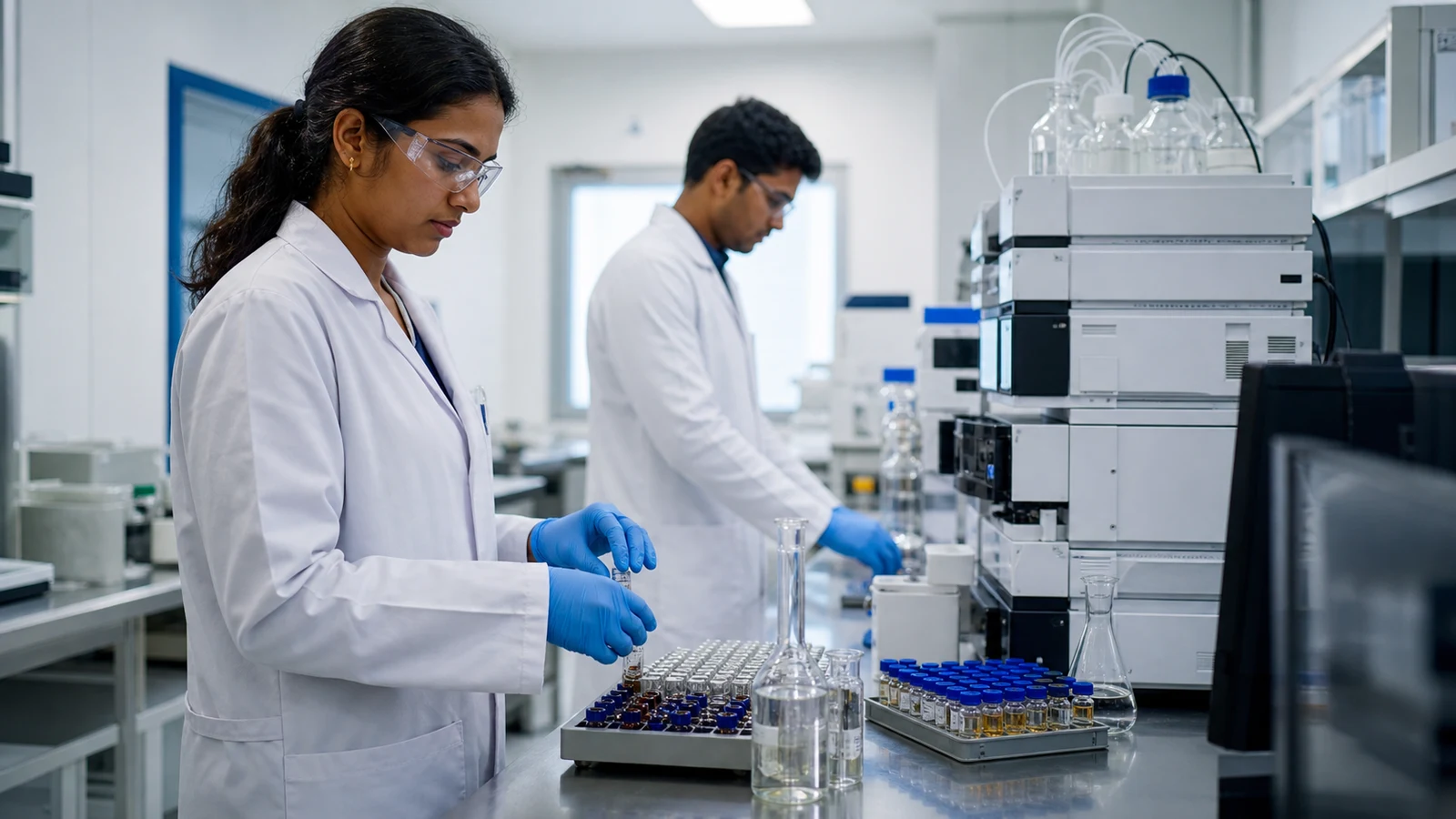
Quality testing is not confined to a final checkpoint. In-process measurements and analytical techniques such as high-performance liquid chromatography can provide evidence throughout manufacture when they are used under approved procedures. Connecting results with relevant environmental and batch context can help teams investigate variation and understand what was happening when a sample was taken.
Remote visibility can shorten the path from an abnormal signal to informed review, especially when production, laboratory and quality personnel need the same history. It does not eliminate sampling, method suitability, laboratory controls or independent disposition. Nvirosense™ provides the shared environmental and operational record; the customer's authorised functions retain responsibility for interpreting analytical results and deciding the product outcome.
Protect data and equipment as quality assets
A useful electronic record preserves original measurements, timestamps, device identity, configuration context, acknowledgements and changes. Access control, encryption, backups, retention and audit review should be designed around the risk and intended use. The ability to analyse a long history can expose inconsistencies earlier, but data integrity depends on the complete people, process and technology control set.
Production equipment also needs observable health. Vibration sensors, thermal imaging and other condition indicators may reveal wear, overheating or behaviour that deserves inspection before an unexpected stoppage. Maintenance decisions should follow approved engineering and quality procedures. Monitoring supports prioritisation and investigation; it does not prove that equipment remains qualified or that product impact is absent.
Extend controlled evidence into distribution
Inventory systems can align stock level, location, expiry and movement so planners can see potential shortages, excess holdings and rotation risks. Analytics may help anticipate demand, but forecasts need review against current supply conditions. Linking inventory events with storage evidence gives teams a stronger basis for investigating whether delays or misplaced stock introduced environmental risk.
During distribution, connected trackers may record temperature together with light, shock and location events. A light event can prompt an access check, shock data can identify a handling incident, and temperature history can show the timing and duration of a potential excursion. Nvirosense™ can organise these signals into a shipment timeline, while authorised quality personnel assess product impact using approved stability information and procedures.
Keep GxP claims proportionate
Applicable obligations may include SAHPRA requirements and, for certain electronic records or signatures, controls associated with 21 CFR Part 11. The organisation must determine which rules apply, define intended use and validate or qualify the configured system as its procedures require. Dashboards and automated reports can support review and inspection readiness, but they do not make a process compliant by themselves.
Alert thresholds, escalation paths, access roles, audit-trail review and report approval should be governed through the customer's quality management system. Changes need appropriate control, and deviations need documented investigation. This keeps connected monitoring in its proper role: providing timely, traceable evidence to the people authorised to make regulated decisions.
IoT is reshaping pharmaceutical quality control by connecting evidence that once sat in separate instruments, logs and handovers. Nvirosense™ helps teams see that lifecycle more clearly—from incoming materials and production conditions to equipment, inventory and distribution—while preserving the essential boundary between monitoring insight and accountable GxP decision-making.