

August 14, 2023
How IoT Enables Smart Inventory Monitoring
Environmental, location and handling records help inventory teams protect sensitive goods, expose bottlenecks and respond to exceptions sooner.
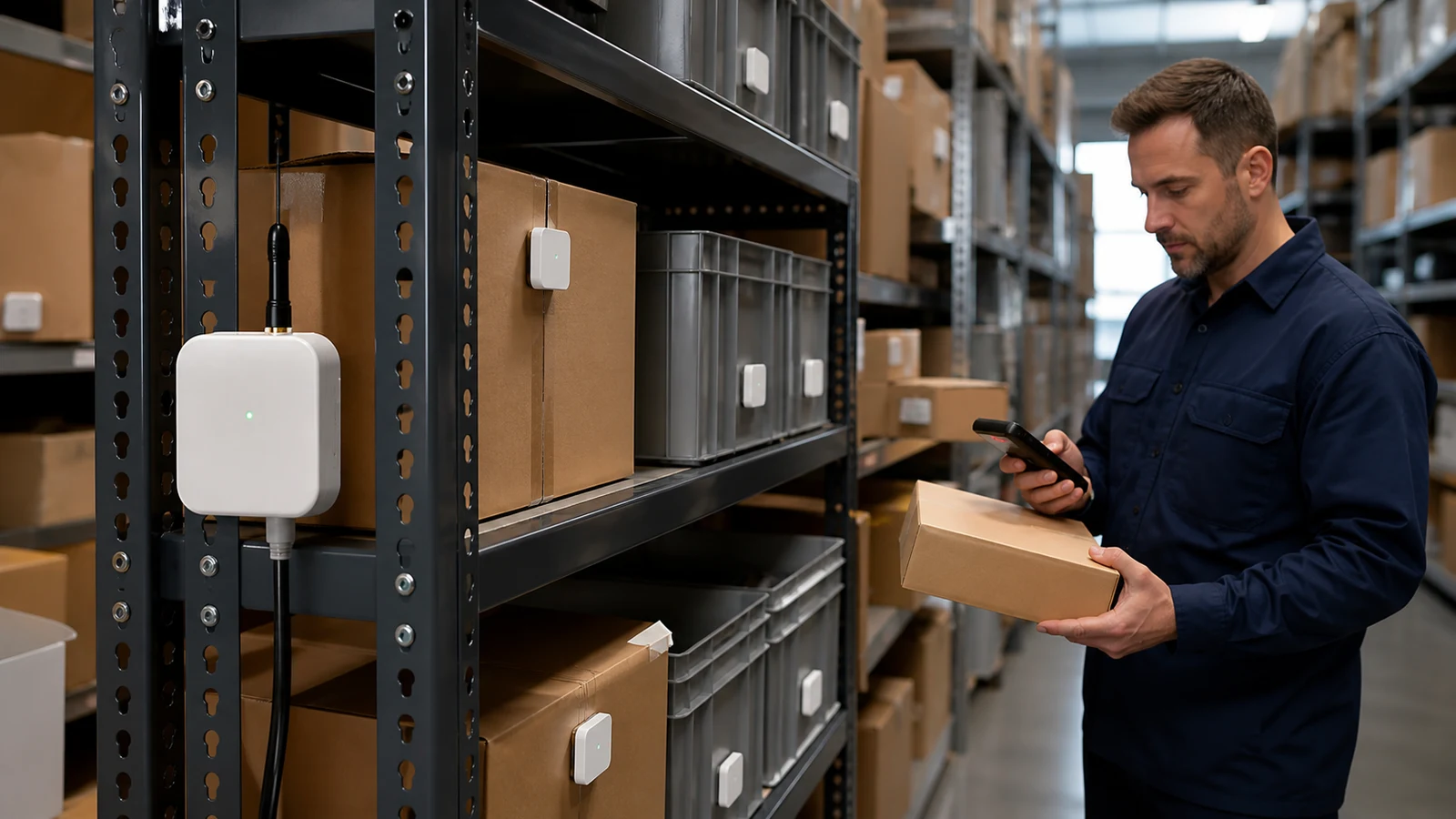
Inventory accuracy is not only a question of how many units are on a shelf. For temperature- or humidity-sensitive goods, teams also need to know where the stock has been, what conditions it experienced and whether a delay or handling event introduced risk. Connected monitoring adds that missing operational context.
Replace disconnected manual snapshots
Paper logs and periodic spreadsheets are vulnerable to transcription errors and often describe conditions long after they occurred. They can leave manufacturers, distributors and retailers with an apparent stock count but no continuous account of a warm room, an open door or goods waiting in the wrong staging area.
IoT sensors create time-stamped measurements at the asset, pallet, room or vehicle level. Nvirosense™ consolidates those readings into a shared view so that inventory, warehouse and quality teams can work from the same event history instead of reconciling separate records.
Monitor condition and movement together
Temperature and humidity reveal whether sensitive items remained within their expected storage environment. Location, light, shock and motion can add evidence about route, opening or handling. The right combination depends on the product and process; adding every sensor does not automatically create a better control.
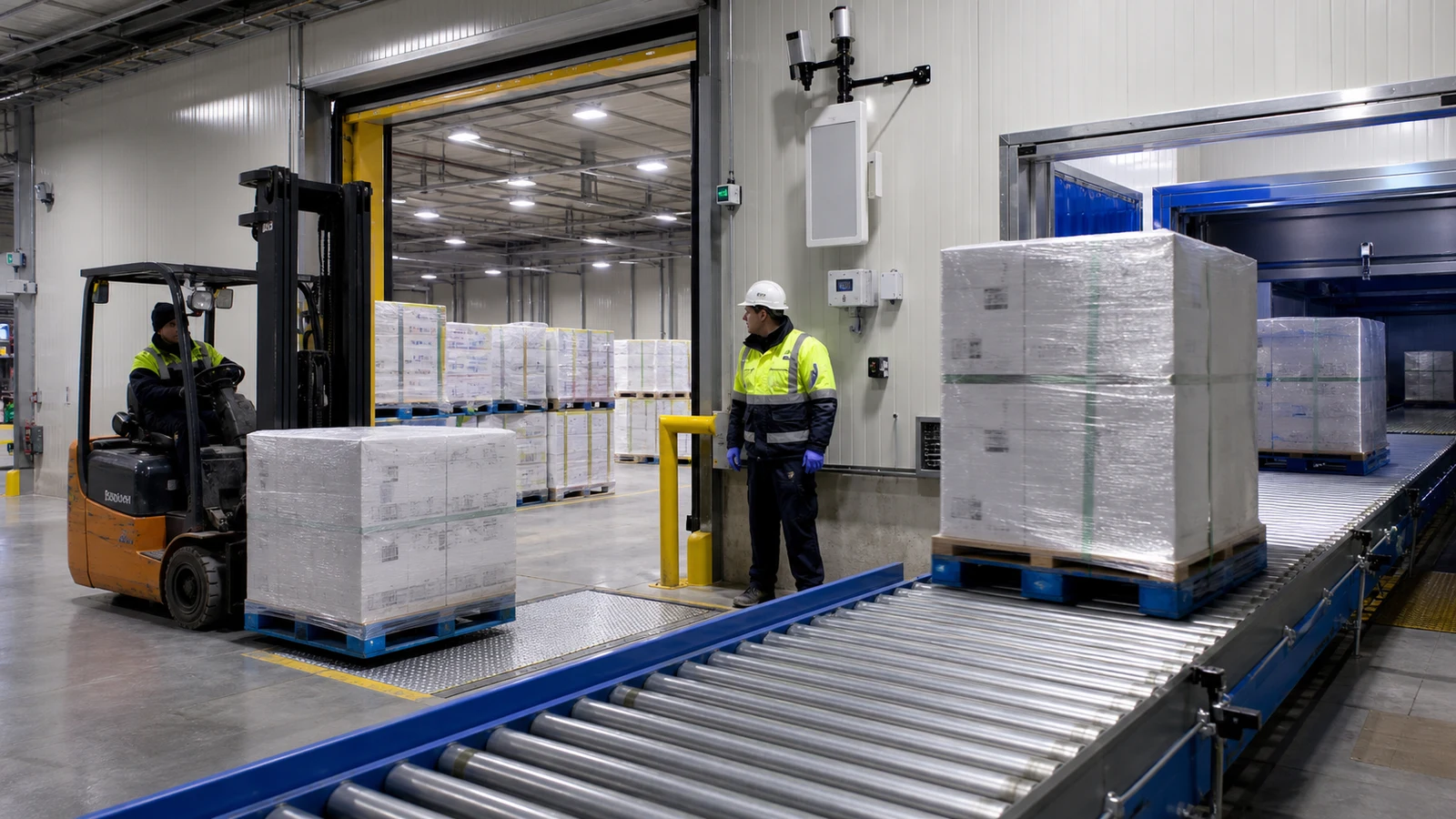
Route and zone events can show that a consignment arrived, remained too long at a handover point or moved outside an approved area. These signals help staff investigate sooner, but they do not themselves decide whether goods remain suitable for use.
Expose hidden time and capacity costs
Historical movement and condition data can reveal recurring queues, slow picking routes, underused storage areas and equipment that struggles during particular shifts. Comparing lead time with environmental excursions gives managers a clearer picture of where delay is also creating product risk.
Analytics may support changes to layout, replenishment, labour planning or equipment maintenance. The evidence should be reviewed with demand, order and process data so that an isolated sensor pattern is not mistaken for the whole explanation.
Respond without losing accountability
A useful inventory alert names the affected item or area, shows the triggering condition and routes the event to an accountable owner. Acknowledgement, investigation notes and the eventual disposition should remain attached to the record, allowing a later reviewer to see both the deviation and the response.
For GxP or other controlled inventory, Nvirosense™ supports traceable environmental evidence and review workflows. Release, rejection, compliance and quality decisions remain with authorised customer personnel under approved procedures.
Build a more adaptable stock operation
Continuous visibility can help organisations align stock movement with actual demand while protecting items that need controlled handling. It supports earlier replenishment decisions, more precise exception management and fewer avoidable losses from unnoticed conditions.
The strongest implementation begins with the products at risk and the decisions people must make. Devices, thresholds and reports can then be configured around that operating model, producing evidence that remains useful as volumes, routes and storage arrangements change.
Smart inventory monitoring connects quantity, condition, place and time. By retaining those elements in one traceable history, organisations can manage sensitive goods with better evidence while keeping commercial and quality authority with the people responsible for the stock.