

January 30, 2023
Energy Monitoring for Sustainability and Efficiency
Interval energy data reveals when and where facilities consume power, helping teams evaluate efficiency measures, backup supply and operational change.
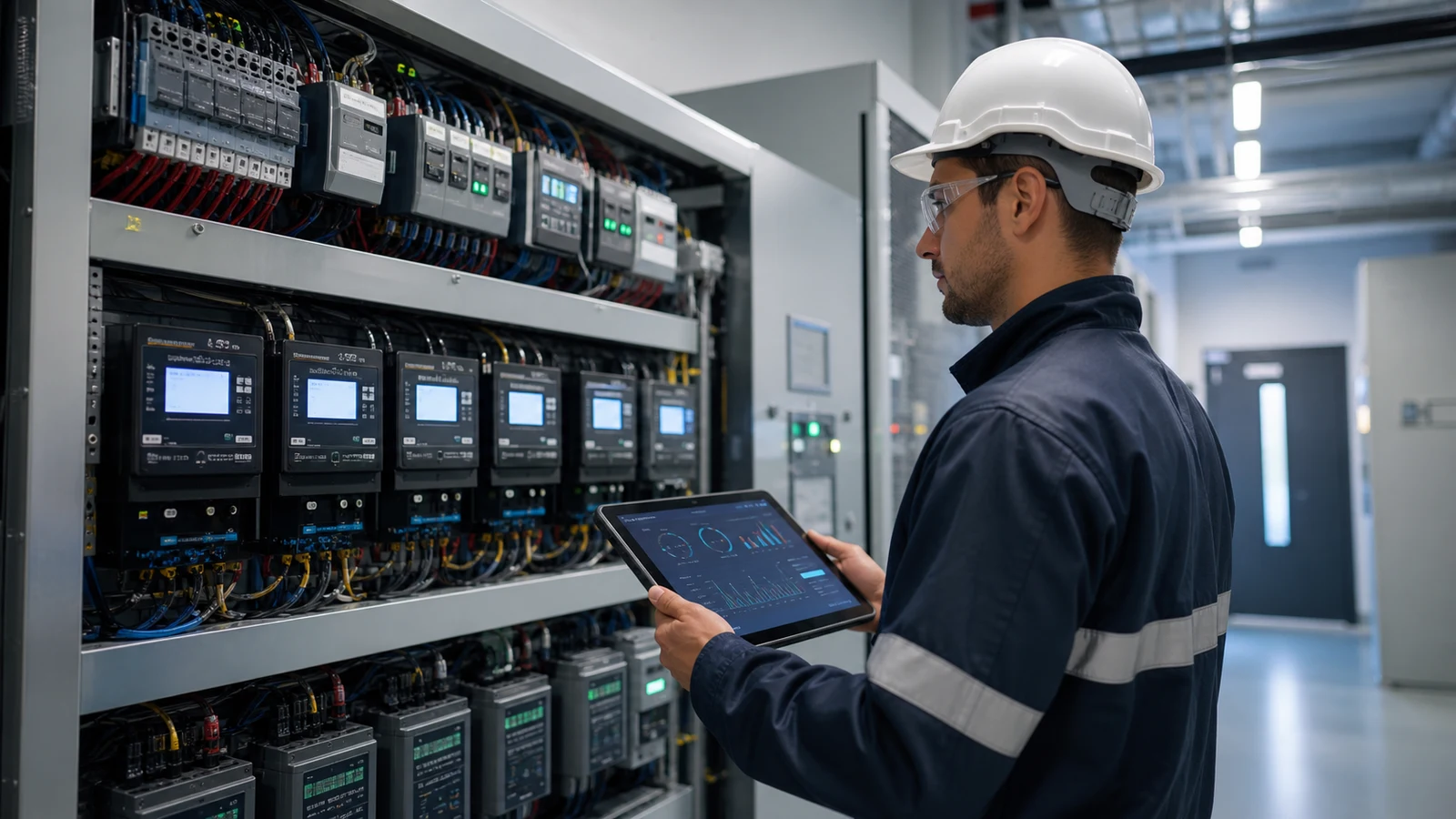
South African organisations manage energy amid rising costs, supply interruptions and growing use of solar, batteries and generators. A monthly bill shows how much energy was purchased, but rarely when demand occurred or which systems drove it. Monitoring provides the evidence for targeted action.
Establish the load profile
Current, voltage, power or energy can be logged at intervals suited to the investigation. The profile reveals base load, operating peaks, after-hours consumption and changes associated with load shedding or backup generation. Meter location must be understood so comparisons represent the same boundary.
Nvirosense™ can align these readings with site, equipment and event context. Facilities teams can then compare weekdays with weekends, occupied periods with shutdowns, or production changes with demand rather than relying on a single total.
Test systems instead of guessing
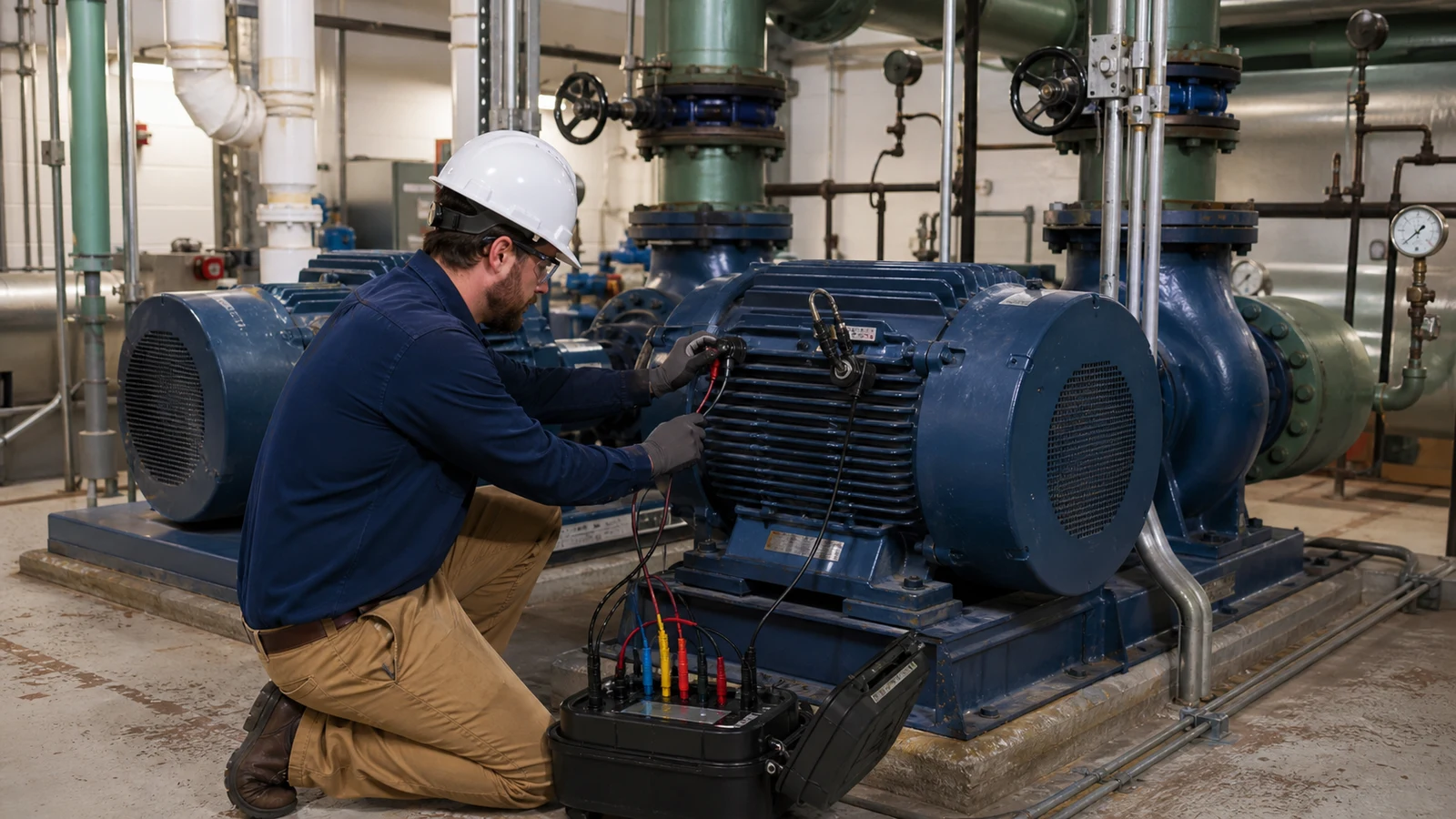
Heating, ventilation, air conditioning, motors and building controls are common investigation targets. Data can show whether equipment starts as scheduled, cycles excessively or remains active when demand should be low. A portable or multi-channel logger may support a bounded audit before permanent monitoring is justified.
Onset four-channel analogue loggers and HOBOware are examples of tools that can collect signals from compatible sensors. Device selection, safe installation and interpretation should be handled by people competent for the electrical environment; monitoring does not replace electrical protection or engineering assessment.
Evaluate change with a baseline
An efficiency claim needs a fair before-and-after comparison. Production, weather, occupancy and outages can affect consumption, so comparison periods should record those factors. Nvirosense™ analytics preserve that context and show whether an apparent saving persists.
The same evidence can inform solar and storage planning by showing the timing, duration and scale of demand. It supports scenario work, but equipment sizing and financial decisions still require appropriate engineering and commercial analysis.
Make energy performance accountable
Named meters, documented calculations and operational events make results easier to review. Alerts can identify unusual demand, while reports help managers prioritise maintenance or capital work.
This turns energy efficiency into a repeatable management process: observe, investigate, change and verify. It also prevents sustainability reporting from drifting away from the measurements on which it depends.
Energy monitoring cannot solve supply constraints on its own, but it can make consumption visible and improvement measurable. Nvirosense™ connects interval data with operational context so facilities teams can act on evidence and retain a defensible history of the results.