

February 21, 2023
Creating a Smart Farming Ecosystem with SenseCAP
Low-power field sensors, LoRaWAN connectivity and Nvirosense™ analytics can form a scalable farm-monitoring ecosystem around water, climate and crop decisions.
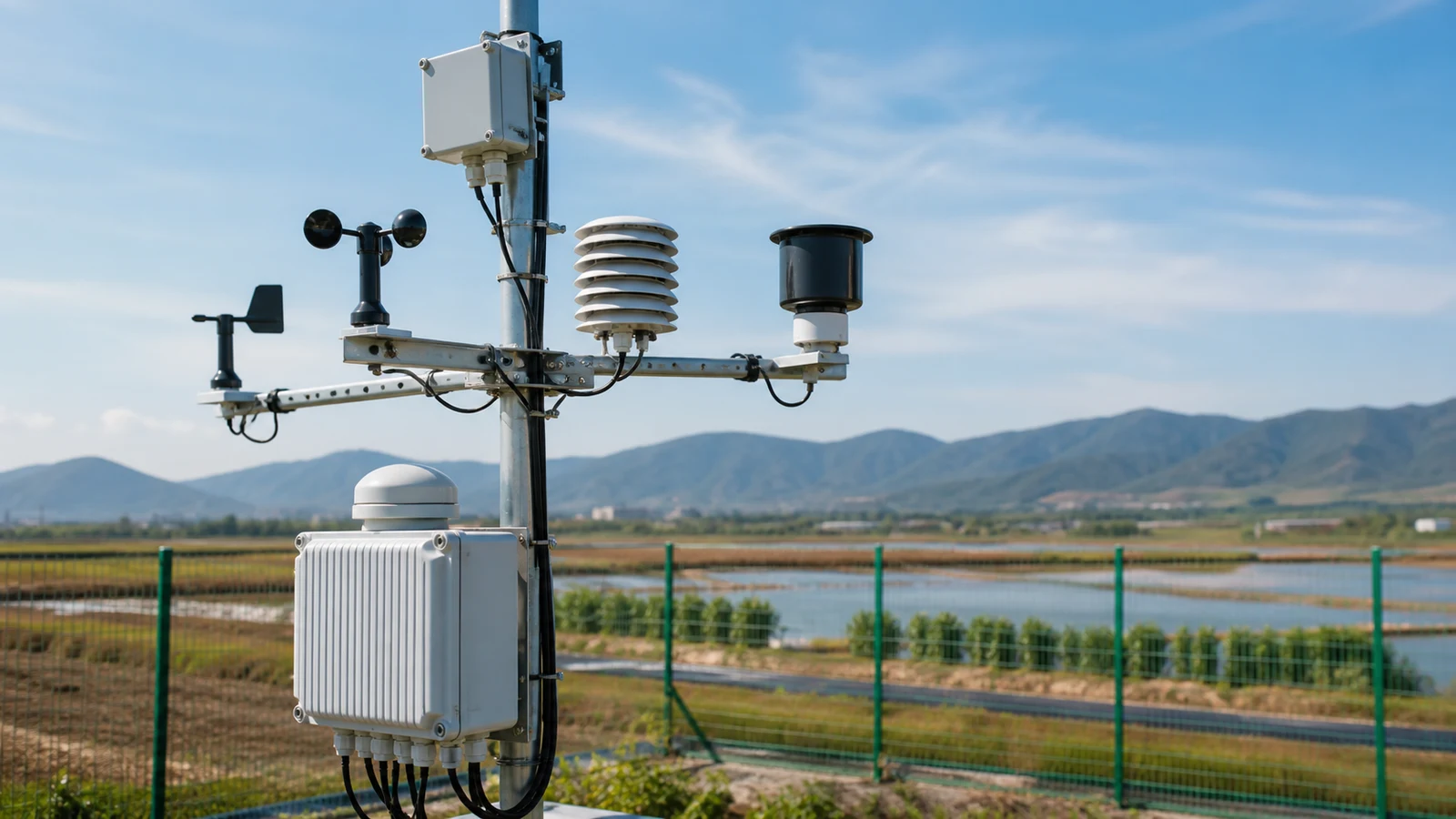
A smart farming ecosystem is not one sensor and an internet connection. It is a chain from field measurement through reliable communications to analysis, alerting and a person who can act on the result.
Build the network around field constraints
SenseCAP sensor nodes can measure conditions such as air temperature, humidity, light and carbon dioxide, as well as soil moisture, soil temperature and electrical conductivity. The appropriate mix depends on the crop, block and decision; collecting every available parameter can add maintenance without adding insight.
LoRaWAN is well suited to many farm deployments because low-power devices can send small readings over comparatively long distances to a gateway. Actual range depends on terrain, vegetation, structures, antenna position and interference, so a site survey and coverage test should precede assumptions about connectivity.
Give each measurement a traceable route
The gateway passes field readings towards the application layer, where device identity, location and time must be retained. Buffering and communication-health indicators are important when backhaul is unreliable; a temporary network failure should be visible rather than silently mistaken for an unchanged field condition.
Nvirosense™ provides the shared view across sensors, with trends and alerts that can be reviewed remotely. Access controls and clear ownership keep the information useful as more blocks, greenhouses or farms are added.
Connect insight to irrigation and greenhouse work
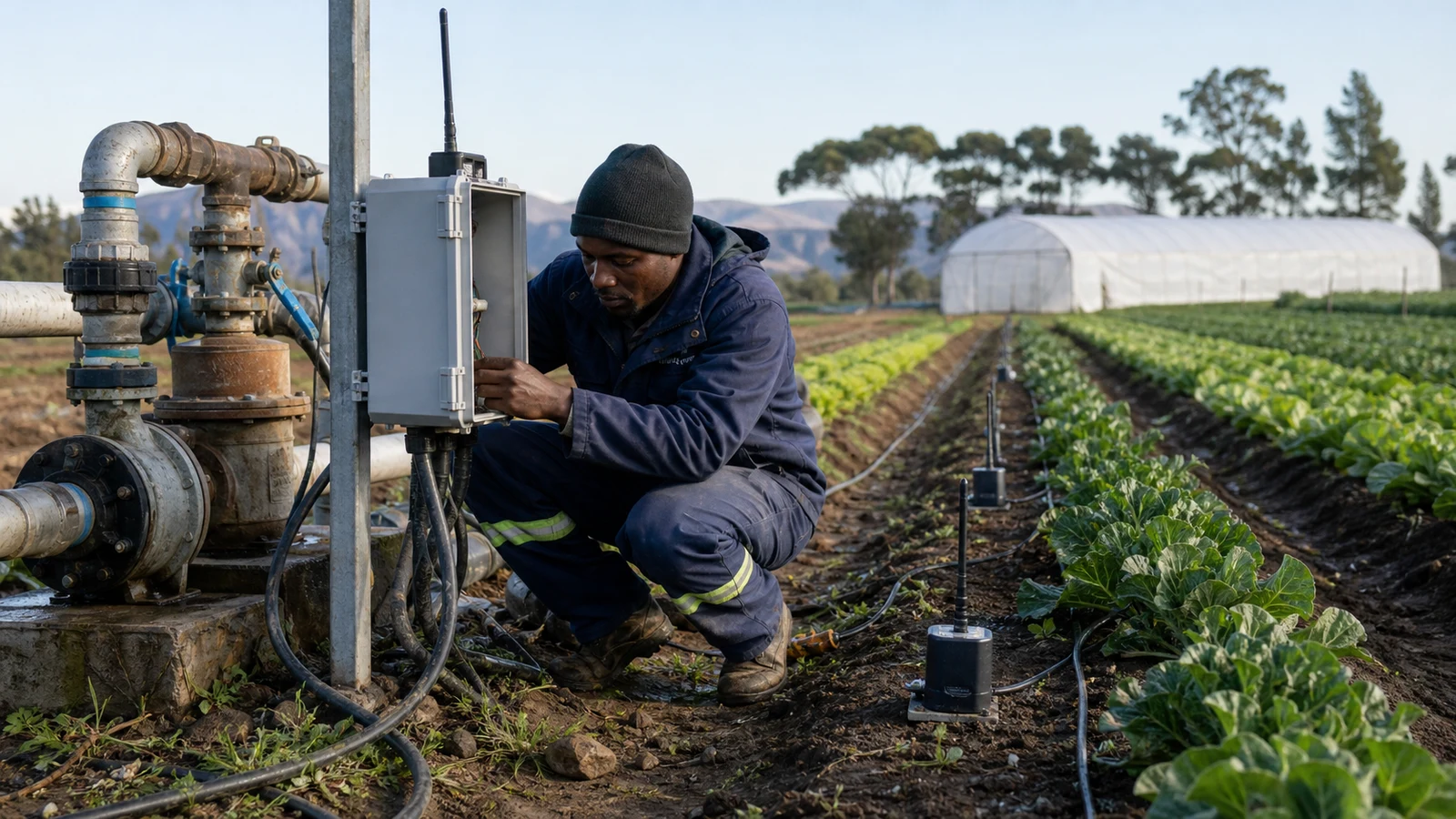
Soil and weather data can help a grower judge when an irrigation cycle deserves attention, while temperature, humidity, light and carbon-dioxide trends explain changing greenhouse conditions. Equipment status completes the picture by showing whether a pump, fan or control action actually occurred.
Automation may switch equipment within approved bounds, but fail-safe behaviour and manual oversight remain essential. Crop stage, soil variability and physical scouting still influence the final decision.
Use analytics without hiding limitations
Historical data can support domain-specific models for water use, operating cost and production estimates. Supervised and unsupervised methods may reveal patterns across vineyard blocks or other crops, provided training data, assumptions and prediction quality are documented.
Ground observations are the test of any model. Nvirosense™ analytics should help teams prioritise inspection and compare outcomes, not present an unverified correlation as a guaranteed yield or saving.
Scale the ecosystem beyond a pilot
The same architecture can support environmental and asset monitoring beyond agriculture, but scale brings practical responsibilities. Naming conventions, maintenance intervals, calibration checks, batteries, gateway coverage and alert escalation all need an accountable owner.
A successful pilot therefore records both agronomic benefit and operating effort. That evidence gives the farm a sound basis for deciding where the next sensor will genuinely improve management.
SenseCAP and LoRaWAN provide practical building blocks; Nvirosense™ turns their readings into a connected operational record. The ecosystem becomes smart when reliable field evidence consistently reaches a well-defined farm decision.