

March 10, 2023
Africa Agri Tech Conference and Exhibition 2023
Africa Agri Tech 2023 brought farming, science and technology communities together around field-ready innovation, shared evidence and the future of Southern African agriculture.
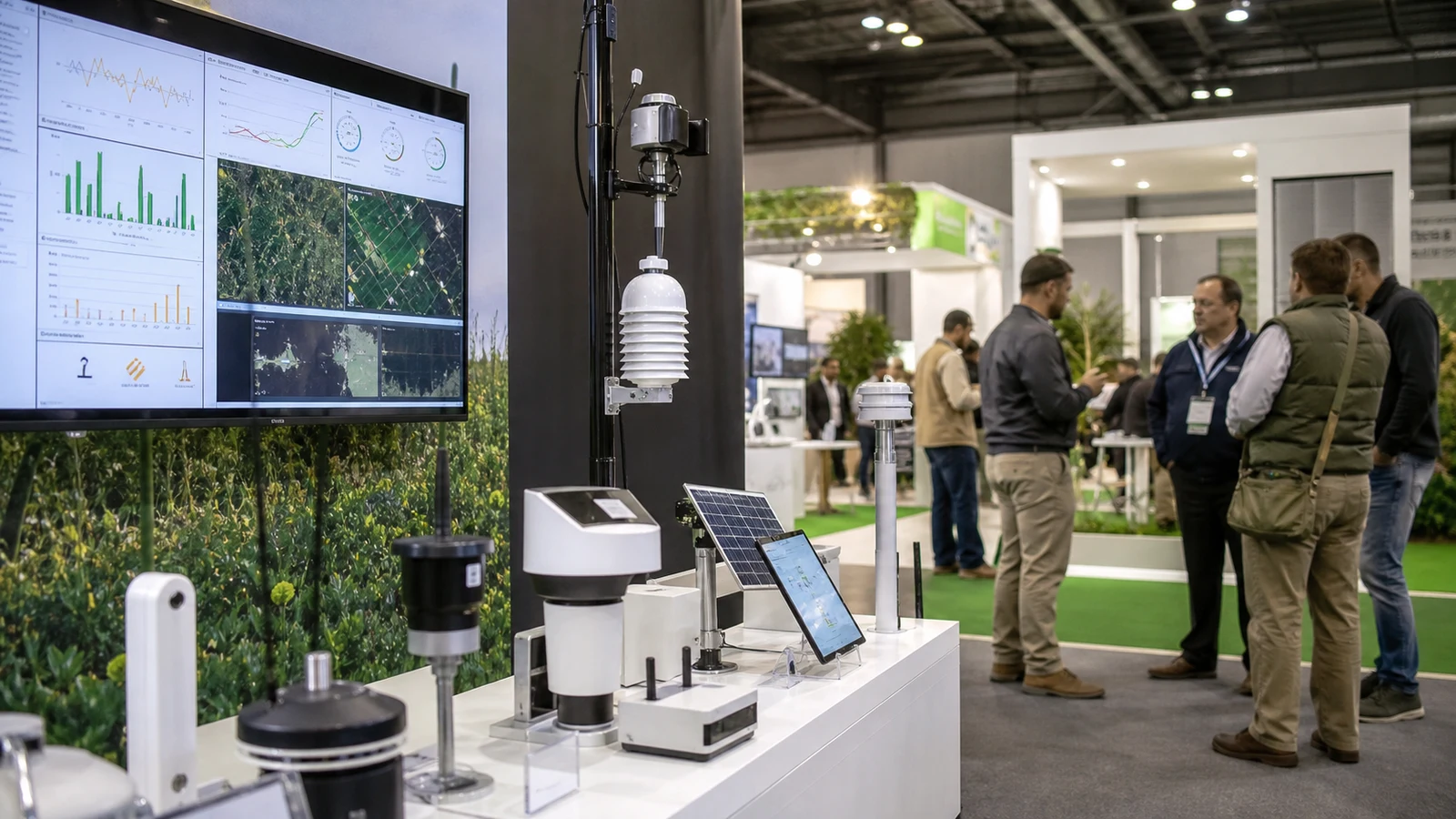
Africa Agri Tech 2023 created a useful meeting point between people who develop agricultural technology and those who must make it work under Southern African field conditions. The conference and exhibition combined strategic debate with an opportunity to inspect systems, question suppliers and see live measurements.
Three days connected science, systems and markets
The programme moved from biotechnology and scientific advances into equipment, agricultural data and technology, then towards finance, economics and global trade. That sequence reflected an important reality: an agronomic innovation must also be deployable, affordable and connected to a viable farming business.
Co-located conversations around women in agriculture, start-ups, investment, trade and industry recognition widened the discussion beyond established suppliers. For growers and agribusinesses, the value lay in comparing perspectives that are often separated between research, procurement and farm operations.
The exhibition made claims testable
Demonstrations allow a visitor to ask practical questions that a brochure rarely answers. How is a field sensor powered? What happens when coverage fails? How often does it sample? Can the record be exported, and who receives an alert? These details determine whether an impressive device becomes a maintainable deployment.
Weather-station demonstrations were particularly useful because rainfall, wind, solar conditions, temperature and humidity are familiar measurements with immediate farm relevance. Showing the live data path from instrument to platform made the wider monitoring architecture easier to understand.
Environmental data needs an operational destination
Nvirosense™ frames field telemetry around decisions: irrigation priority, weather response, equipment attention and evidence for later review. A dashboard becomes meaningful when each sensor retains a location and history and when a threshold reaches someone with an agreed action.
Conference discussion also helps expose deployment constraints early. Connectivity, sensor placement, calibration, training and the cost of servicing distributed farms need to be considered alongside analytics and automation.
Collaboration shortens the distance to adoption
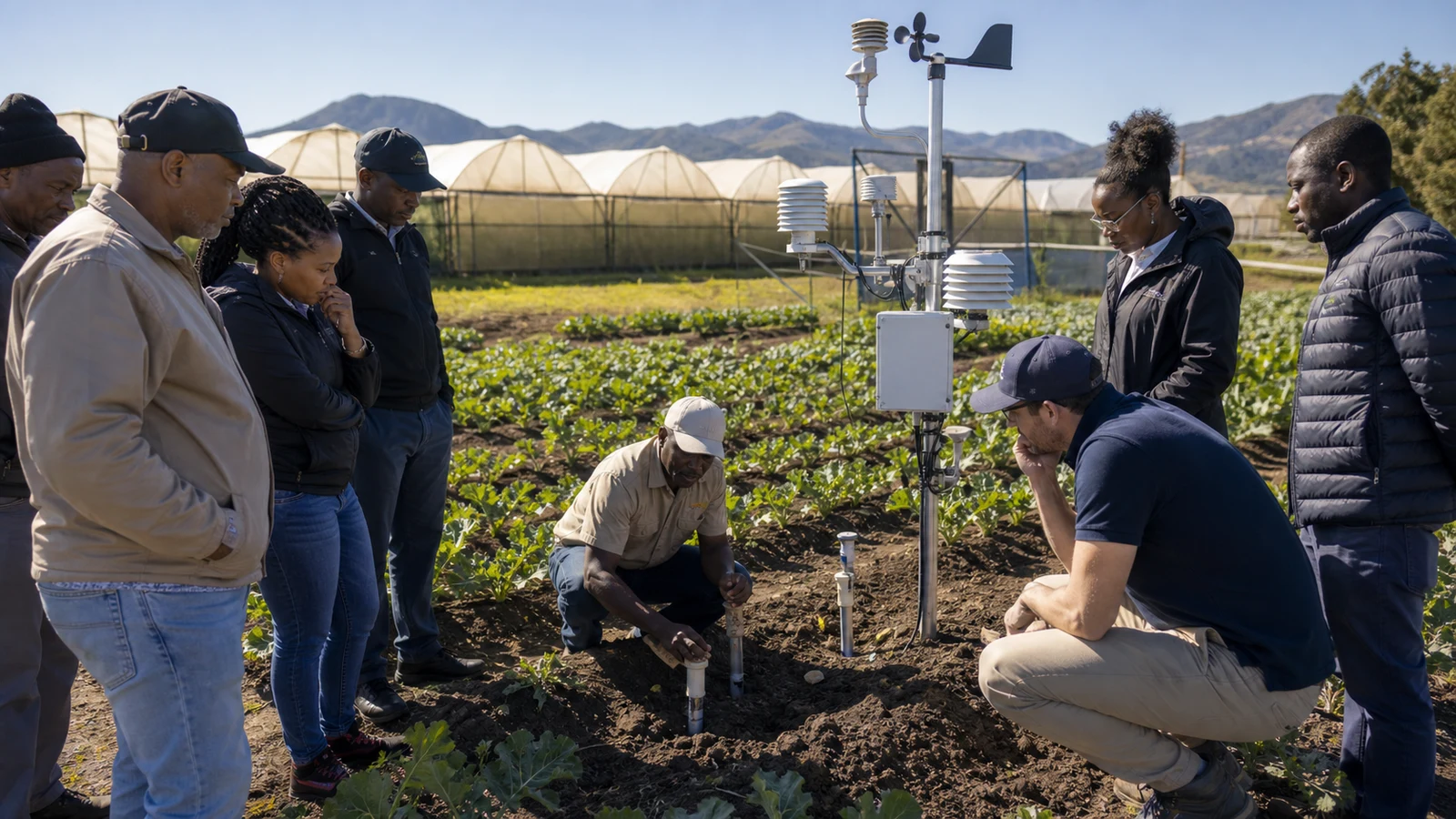
Farmers bring knowledge of crops and operational pressure; scientists bring methods and evidence limits; technology teams bring instrumentation and data systems. Working together helps avoid tools that collect attractive data but fail to answer the user's real question.
Peer conversations are equally valuable. Producers can compare where monitoring saved field visits, where it created extra maintenance and what support was required before expanding beyond a pilot.
Event lessons should return to the field
The strongest outcome of an exhibition is not the number of devices displayed. It is a clearer deployment brief: which condition matters, where it should be measured, how success will be evaluated and who owns the response.
That brief gives a pilot a fair test and creates evidence for the next investment decision. It also keeps environmental intelligence grounded in the working realities of African agriculture.
Africa Agri Tech 2023 showed the value of bringing innovation into direct conversation with farming practice. Nvirosense™ carries that principle forward by connecting field measurements, analytics and traceable decisions rather than treating technology as an end in itself.